
Top Agricultural Product Exporting Countries in Southeast Asia
[US Masterbatch – Top Agricultural Product Exporting Countries in Southeast Asia] The Southeast Asian region (ASEAN) has long asserted its position as a global center for agricultural products and exports, playing a crucial role in the international supply chain for food and raw materials. 2024 continues to witness impressive developments, particularly the strong rise of several member states, creating a vibrant and highly potential competitive landscape.
I. Overview of the ASEAN Agricultural Market in 2024

In 2024, the global agricultural market faced the dual impact of inflation, climate change, and localized supply chain disruptions. However, major exporting nations in Southeast Asia successfully leveraged the upward trend in commodity prices (such as coffee and rice) and strong demand from the Asian market, particularly China, to achieve new records.
Agriculture is not only an economic pillar but also a key factor in trade balance. Many nations have achieved record agricultural trade surpluses, reinforcing macroeconomic stability.
II. Vietnam – Top Agricultural Product Exporting Countries in Southeast Asia
Vietnam has emerged as one of the nations with the most impressive agricultural product export performance, boasting high growth rates and continuously breaking previous turnover records.
2.1. Leading Position in Export Turnover
Export Turnover: According to Vietnam’s Ministry of Agriculture and Rural Development (MARD), the total export turnover of agricultural, forestry, and fishery products in 2024 reached a record level of $62.4 – $62.5 billion, an increase of approximately 18.7% compared to 2023. This marks the highest growth rate in the last two decades.
Trade Surplus: The trade surplus for the entire agricultural sector also hit a record $17.9 – $18.6 billion, a significant increase from the previous year, demonstrating the clear economic efficiency of export activities.
2.2. Key Product Categories Driving Breakthroughs
2024 marks the rise of several strategic commodities. The year recorded 7 product groups with export turnover exceeding $3 billion. Below are the detailed growth figures for commodities that achieved new records:
| Commodity | Record Turnover 2024 (Billion USD) | Noteworthy Growth Rate (By Value) | Key Growth Driver Analysis |
| Fruits & Vegetables | $7.12 billion | Up 27% – 28.1% | The main driver was Durian, with export turnover reaching $3.2 – $3.4 billion, a growth of 50% year-on-year. |
| Coffee | $5.2 – $5.48 billion | Up approximately 30.5% | Although export volume may have decreased, the value surged thanks to a sharply rising average export price, crossing the $5 billion mark for the first time. |
| Rice | $5.7 – $5.75 billion | Up 28% – 32% | Export volume reached a record 9 million tons (estimated). The average export price was $600 – $627.9 per ton, maintaining the highest level globally. |
| Cashew Nuts | $4.3 billion | Significant | Growth primarily attributed to increasing global market prices. |
| Forest Products (Wood & Wood Products) | Over $14 billion | Strong Recovery | Forest product trade surplus reached $10.91 billion (as of the first 10 months), up 19.4%, indicating robust recovery in major markets (US, EU). |
| Fishery Products | Under $10 billion | Slow Recovery | Fishery exports are estimated at $9.0 – $9.2 billion; however, some key commodities like shrimp and Pangasius showed positive recovery signs in the final quarter. |
Source: Based on data from Vietnam’s MARD and industry associations.
2.3. Strategic Assessment
Vietnam’s success stems from market diversification (China, US, Japan, Europe) and the ability to supply high value-added goods (such as fresh fruit, high-quality coffee). However, the challenge remains in increasing the proportion of deep processing to optimize profits, as many commodities are still exported in raw or semi-processed forms.
III. Thailand – Top Agricultural Product Exporting Countries in Southeast Asia
Thailand continues to maintain its position as one of the leading agricultural product exporters in the region, especially for branded and processed goods.
3.1. Export Performance
Export Turnover: According to the Thai Trade Policy and Strategy Office (TPSO), Thailand’s exports of agricultural and agro-industrial products in 2024 exceeded the $52 billion mark, an increase of about 6% from the previous year.
3.2. Strategic Products
Thailand focuses on high-value commodities and tightly controlled supply chains:
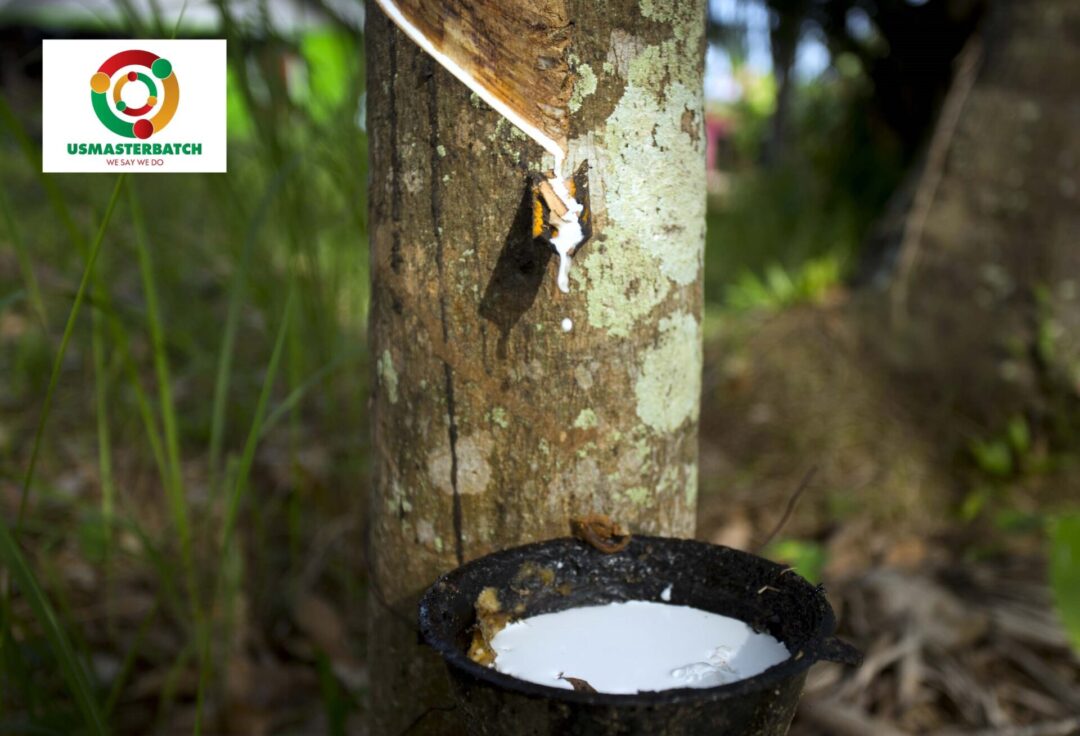
- Rubber and Rubber Products: A strategic commodity, contributing significantly to the total turnover.
- Rice: Maintains its position as a major exporter, directly competing with Vietnam on the quality of Jasmine and aromatic rice.
- Fruits and Processed Products: Tropical fruits (durian, mangoes) and processed agricultural products are a strength, targeting China and other discerning markets.
- Processed Seafood: Canned tuna and branded processed seafood are key spearheads.
3.3. Competitive Advantage
Thailand holds a significant advantage in processing technology, creating agro-industrial products with higher added value. Its synchronized logistics and quality management systems make it easier to access markets with stringent standards, such as Japan, the US, and the EU.
IV. Indonesia and Malaysia – Top Agricultural Product Exporting Countries in Southeast Asia
Indonesia and Malaysia are two nations whose agriculture heavily relies on industrial crops, especially Palm Oil, which significantly dominates their agricultural product export turnover.
4.1. Indonesia
Indonesia, the largest economy in ASEAN, is the world’s largest producer and exporter of palm oil.
- Palm Oil: Palm oil and its derivatives constitute the largest share of agricultural product exports. Fluctuations in global palm oil prices directly affect Indonesia’s total turnover.
- Coffee: A major coffee exporter, particularly of Robusta and specialty Arabica coffee.
- Food and Vegetables: Exports of vegetables and other agricultural commodities are also growing, though on a smaller scale compared to industrial crops.
4.2. Malaysia
Similar to Indonesia, Malaysia is a powerhouse in palm oil and rubber.
- Palm Oil: Palm oil products, including crude and refined oil, are a crucial source of foreign exchange.
- Rubber: Exports of natural rubber and rubber products also hold a leading position.
- Cocoa and Wood Products: Important supplementary commodities that help diversify the export structure.
4.3. Challenges
Both Indonesia and Malaysia face significant pressure from global sustainability standards, especially anti-deforestation regulations (such as the EUDR from the EU), directly linked to palm oil and timber production.
V. Strategic Outlook for ASEAN Agricultural Exports
2024 clearly defined the leading agricultural exporting countries in Southeast Asia, with Vietnam emerging as a growth phenomenon through a combination of traditional goods (rice, coffee) and new high-value commodities (fruits, especially durian); Thailand maintaining stability and quality in processing; and Indonesia/Malaysia holding dominance in the industrial crops segment.
To sustain growth momentum and enhance long-term competitiveness, ASEAN nations need to focus on the following strategies:
- Green Transition and Sustainability: Invest in international certification standards (VietGAP, GlobalGAP, sustainability certificates) to meet strict requirements from Western markets.
- Deep Processing Technology: Promote the application of technology to increase added value, minimize raw material exports, and learn from Thailand’s model.
- National Branding: Build and promote national agricultural product brands to increase price negotiation power (such as Vietnam’s ST25 rice or geographically indicated fruits).
Competition within the ASEAN bloc and with global agricultural powerhouses will continue to intensify. The ability to adapt to climate change and grasp global consumption trends will be the decisive factor for the position of Southeast Asian agricultural exporting countries in the coming years.