
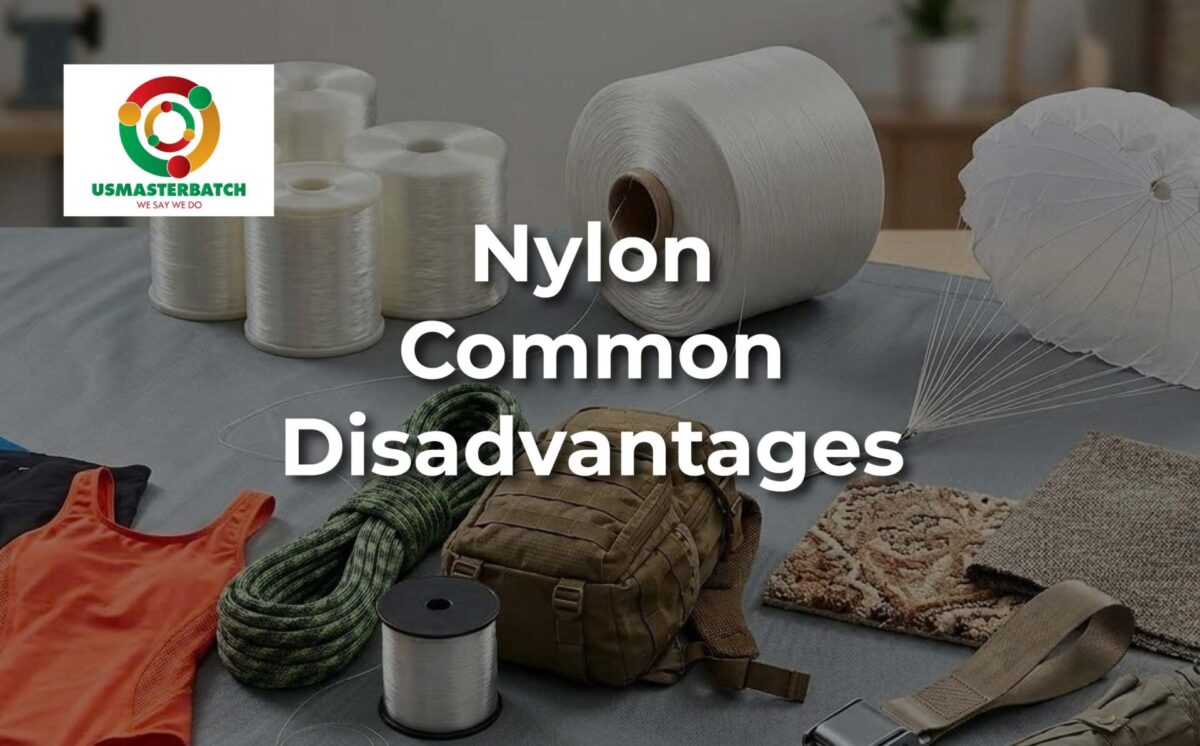
Nylon Disadvantages
Nylon, scientifically known as Polyamide (PA), has been a cornerstone of the plastics industry since its invention. Renowned for its high mechanical strength, elasticity, and chemical resistance, it is the go-to material for everything from automotive engine components to industrial fibers. However, in the world of high-precision manufacturing, Nylon is not a “one-size-fits-all” solution. At…
Read More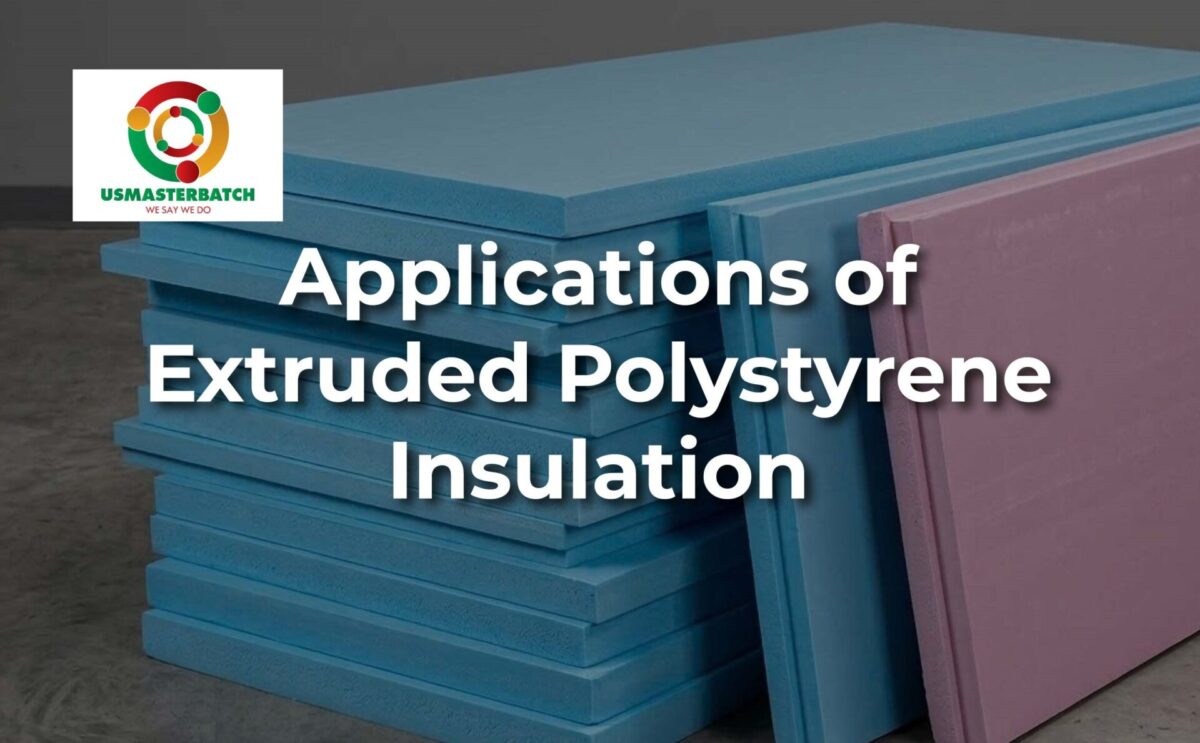
Applications of Extruded Polystyrene Insulation
[US Masterbatch] Extruded Polystyrene Insulation (XPS Insulation) is a rigid foam insulation material widely used in modern construction and infrastructure projects. It is manufactured through an extrusion process in which polystyrene resin is melted and mixed with additives and blowing agents to form a continuous foam structure with closed cells. Thanks to its closed-cell structure,…
Read More
What is Nylon Synthetic Fiber?
[US Masterbatch] In the world of modern materials, few fibers have had as profound an impact as Nylon. What exactly is Nylon synthetic fiber, and why has it maintained its “monopoly” position for decades? 1. What is Nylon Synthetic Fiber? Nylon synthetic fiber is a man-made polymer belonging to the Polyamide (PA) group. Unlike natural…
Read More
Thermal Stability of Polyvinyl Chloride Pellets
In the global polymer hierarchy, Polyvinyl Chloride (PVC) remains a cornerstone material due to its cost-effectiveness, chemical resistance, and remarkable versatility. However, for manufacturers, the journey from raw Polyvinyl Chloride pellets to a finished high-quality product is fraught with a significant technical challenge: thermal instability. At US Masterbatch, we leverage 20 years of expertise and…
Read More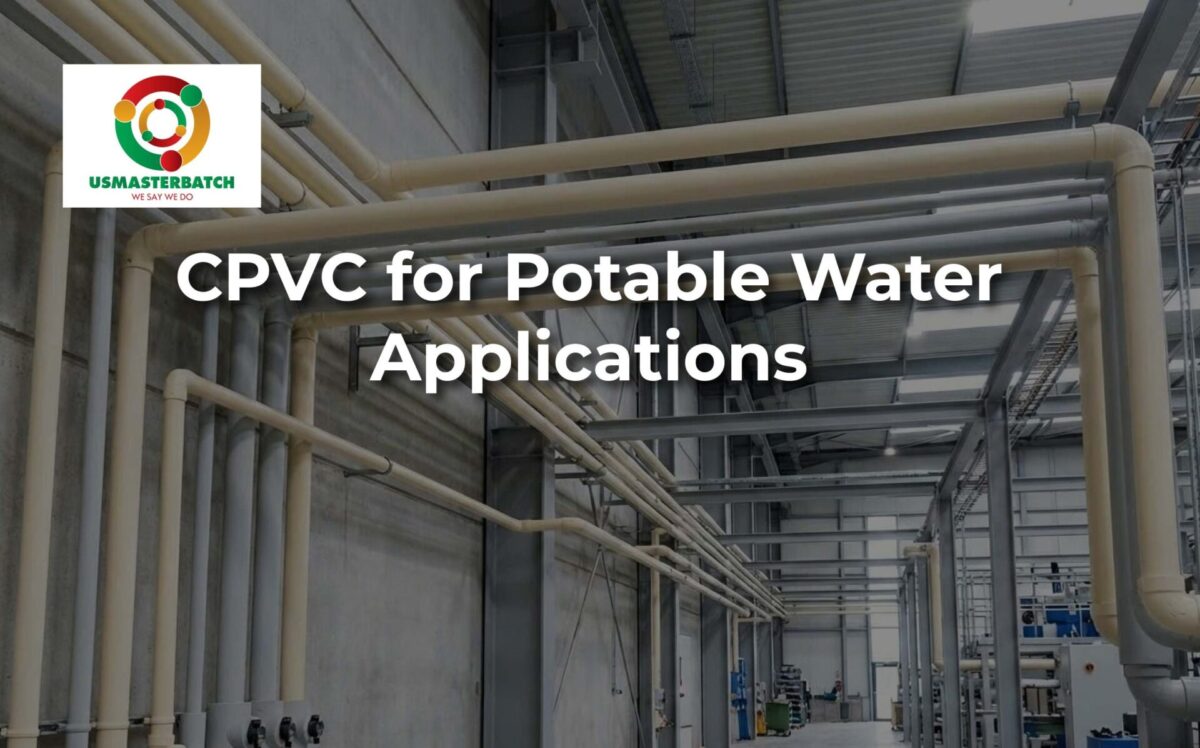
CPVC for Potable Water Applications: Safety, Performance, and International Certifications
[US Masterbatch] Clean and safe drinking water is one of the most critical requirements in modern infrastructure. From residential buildings and hospitals to hotels and industrial facilities, piping systems that carry potable water must meet strict standards for safety, durability, and long-term reliability. Among available plastic piping materials, CPVC for Potable Water (Chlorinated Polyvinyl Chloride)…
Read More
Exploring the PVC Compound Manufacturing Process
To manufacture a high-quality plastic product, the input materials play a decisive role. PVC Compound (polyvinyl chloride compound) is the answer to increasingly demanding technical requirements that virgin PVC resin alone cannot fully satisfy. So how are pure white PVC powders transformed into powerful, high-performance compound pellets? Let US Masterbatch walk you through the 6-step…
Read More


