
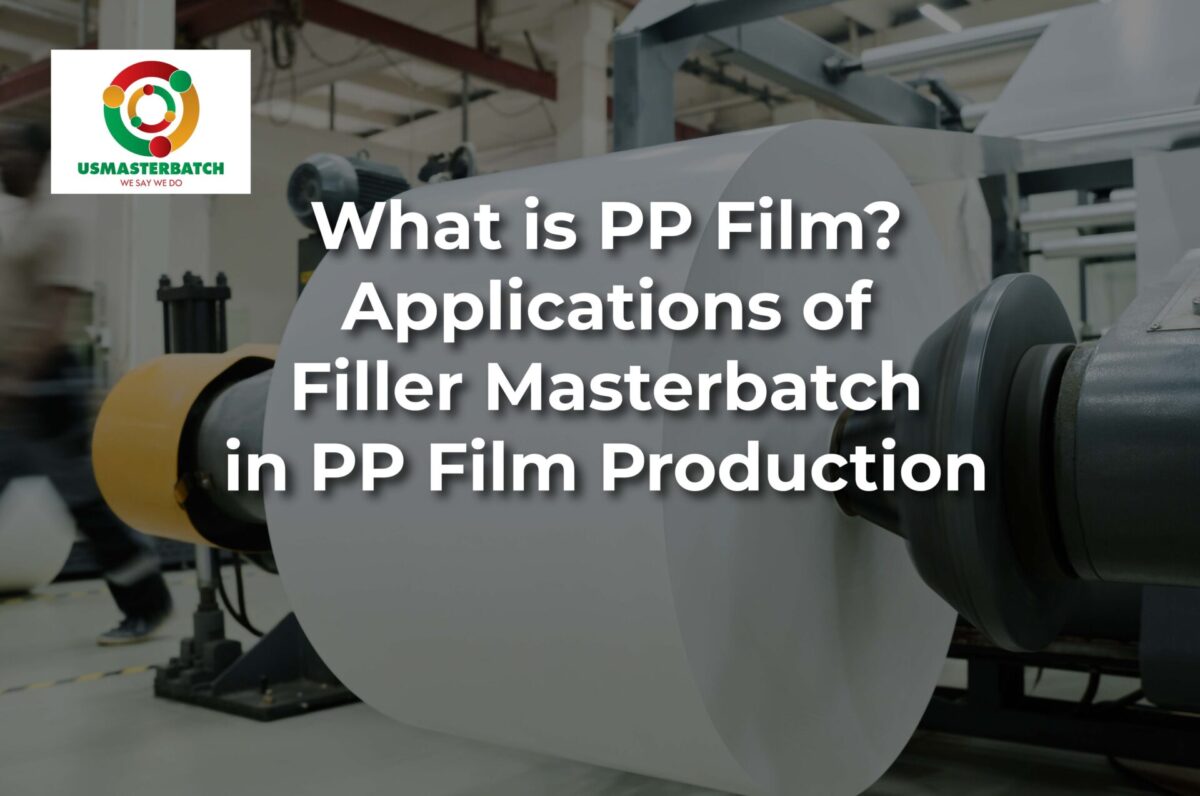
What is PP Film? Applications of Filler Masterbatch in PP Film Production
Polypropylene (PP) film is one of the most widely used plastic films in packaging, labeling, and industrial sectors. Known for its excellent mechanical properties, chemical resistance, and clarity, PP film has become an essential material in modern manufacturing. Its versatility allows it to serve various purposes, from flexible packaging for food and pharmaceuticals to industrial…
Read More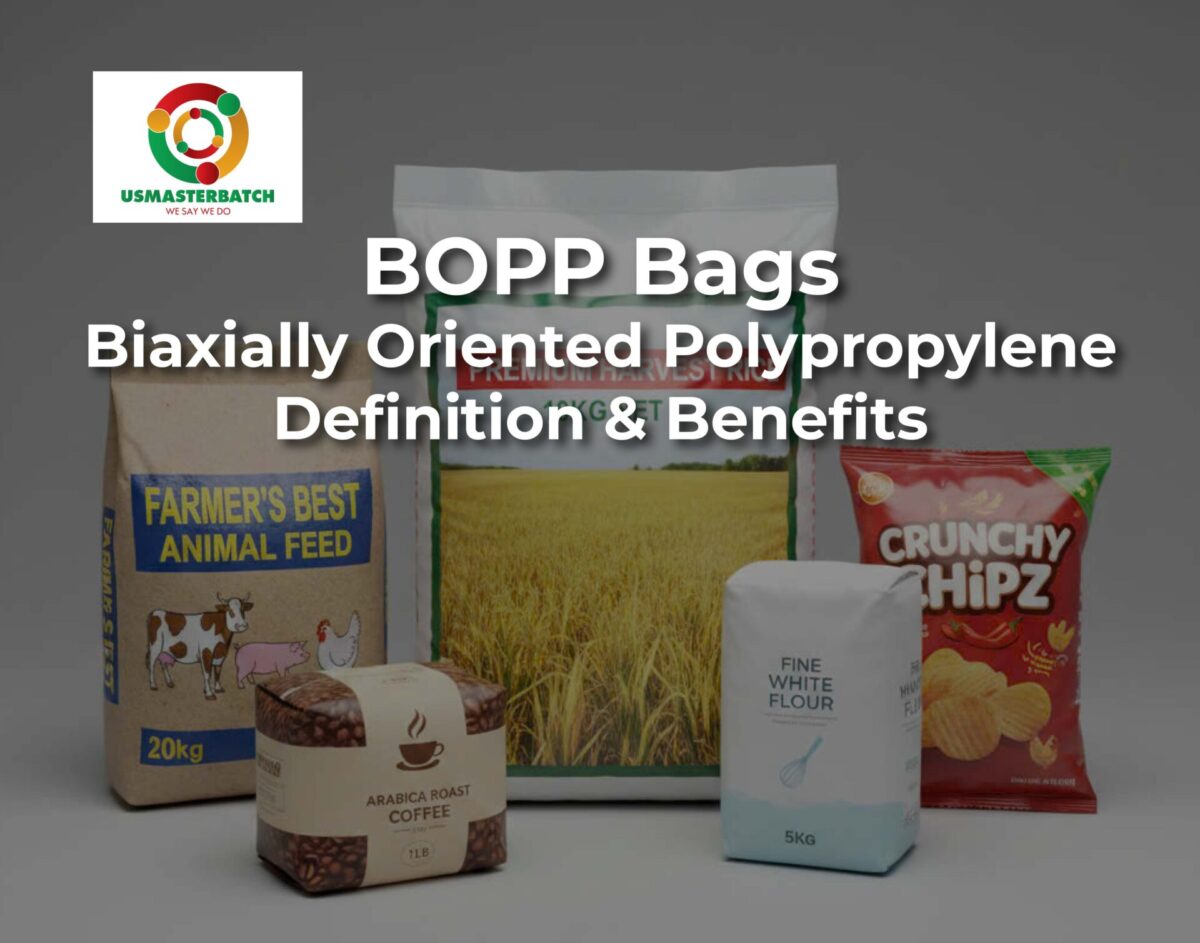
Biaxially Oriented Polypropylene (BOPP) Bags – Definition and Benefits
In today’s rapidly growing packaging industry, Biaxially Oriented Polypropylene (BOPP) bags have become one of the most preferred solutions for agricultural, chemical, food, and consumer goods. Their superior strength, excellent printability, glossy appearance and moisture resistance make them ideal for both domestic distribution and export markets. At US Masterbatch, we provide premium-quality Filler Masterbatch, Additive…
Read More
What Is Black PE Masterbatch and Applications?
1. What is Black PE Masterbatch? Black PE Masterbatch is a type of black color concentrate produced by dispersing black pigment powder (usually Carbon Black) into a PE (Polyethylene) carrier resin, combined with dispersing agents and thermal stabilizers. This product provides deep black color, excellent coverage, color stability, and easy compatibility with PE-based plastics and…
Read More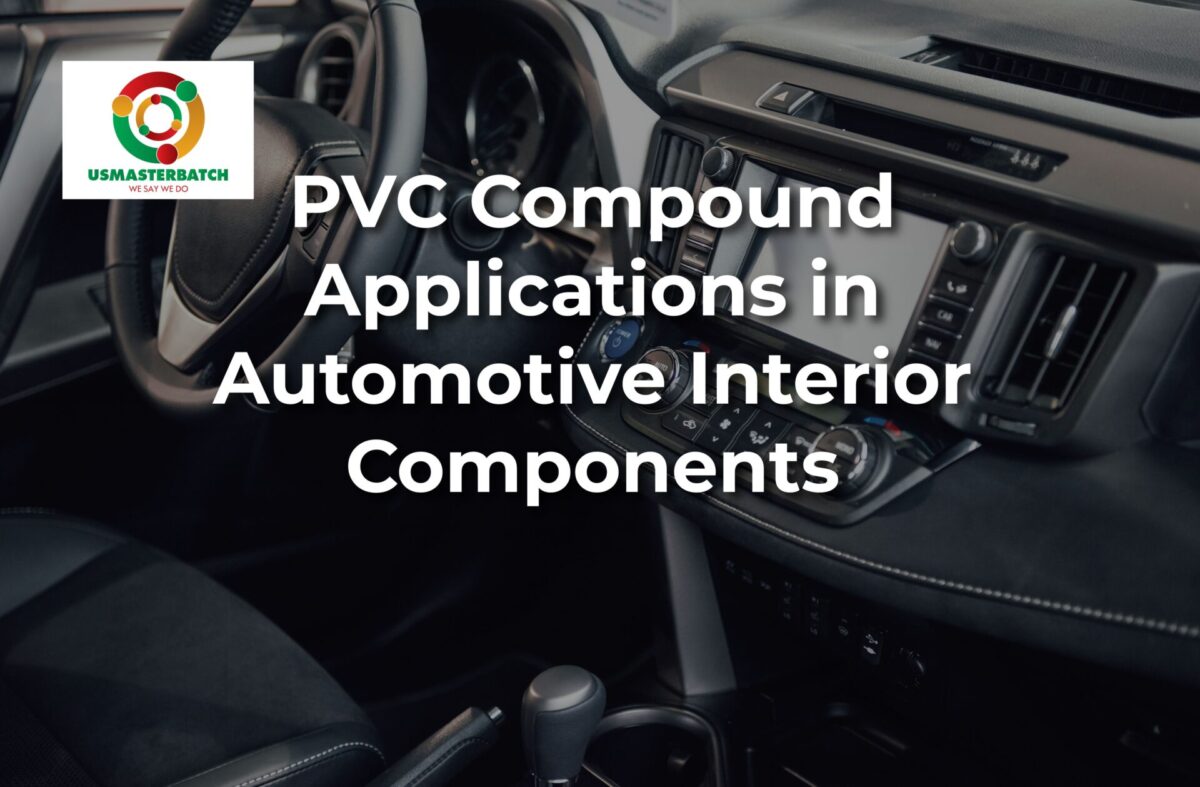
Overview of PVC Compound Applications in Automotive Interior Components
In the modern automotive industry, materials used for interiors must not only be durable and aesthetically pleasing, but also meet strict technical requirements, safety standards, and withstand continuously changing environmental conditions. PVC Compound, a mixture of PVC resin with additives in an optimized ratio, has become one of the most widely used materials for manufacturing…
Read More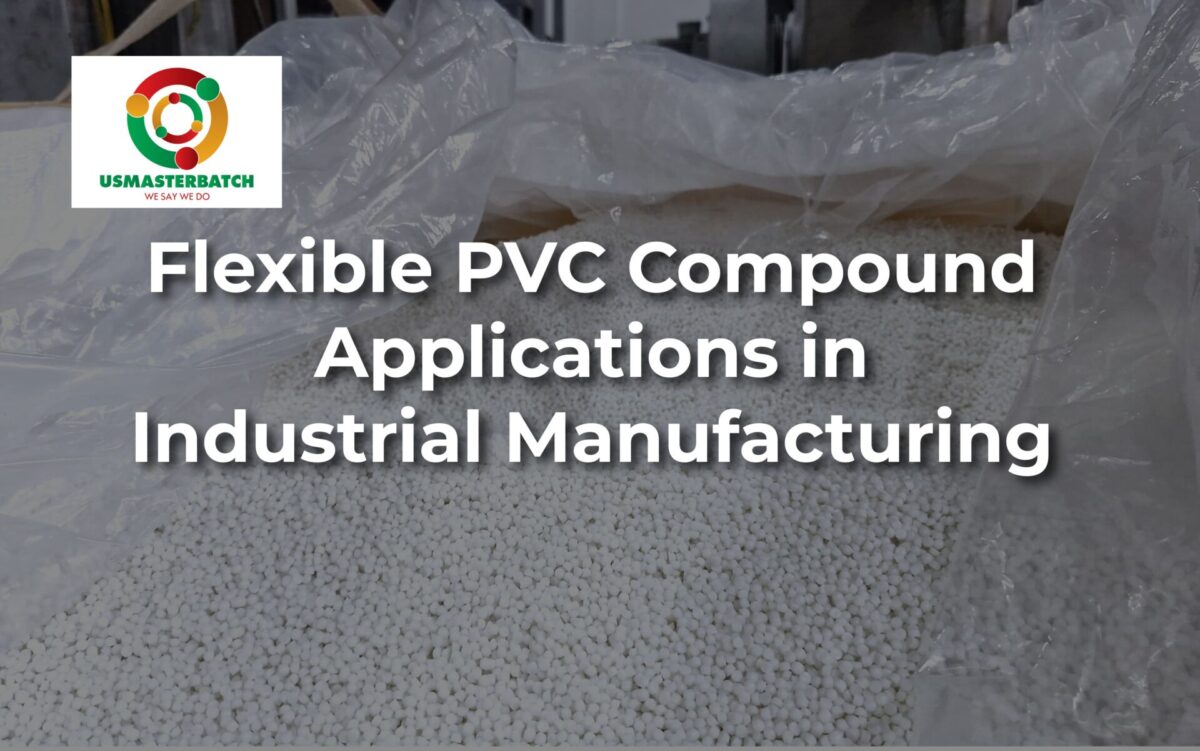
Flexible PVC Compound and Applications in Industrial Manufacturing
Flexible PVC Compound (PVC resin blended with additives) is one of the most versatile and widely used materials in the plastics industry today. Thanks to its ability to adjust softness, transparency, color, and mechanical properties according to specific purposes, this material is extensively applied across both industrial and consumer sectors. Using flexible PVC not only…
Read More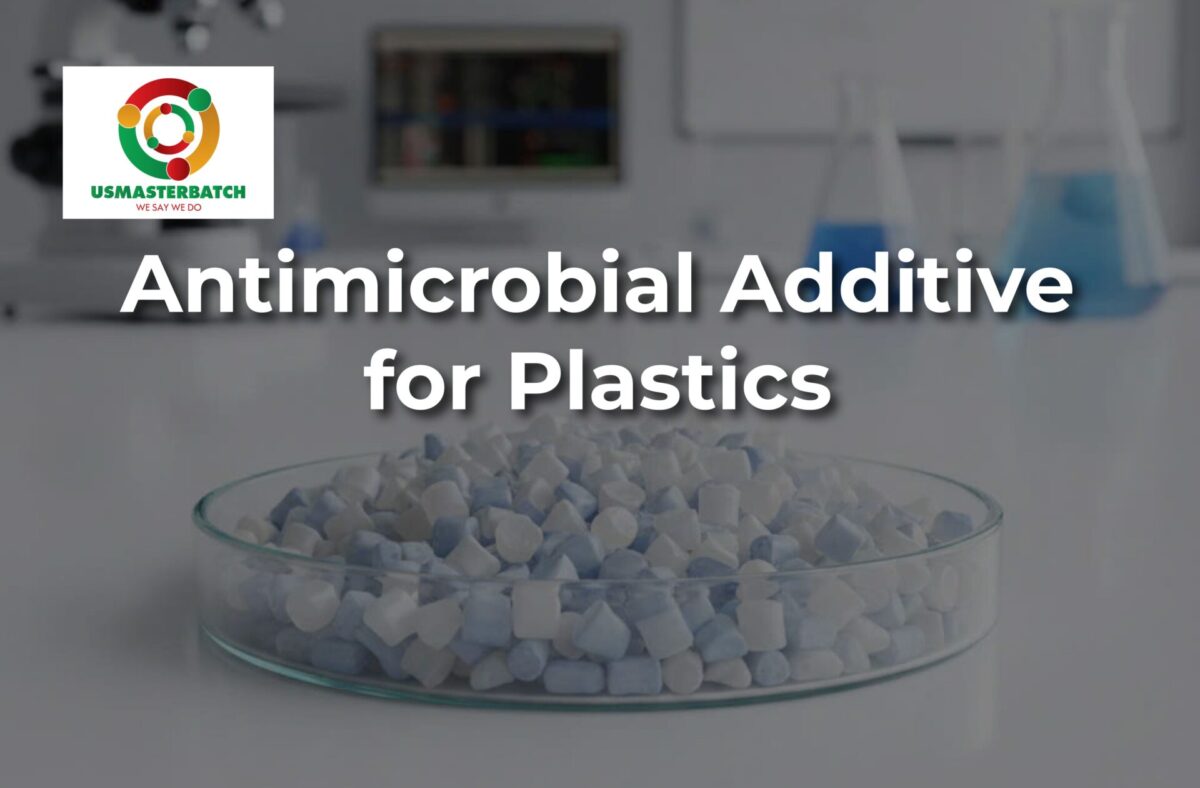
What Is Antimicrobial Additive for Plastics?
In recent years, hygiene and safety requirements for plastic products have become increasingly stringent, especially in sectors such as food packaging, medical devices, household goods, and products that come into direct contact with humans. This has driven the strong development of antimicrobial additives – specialized additives designed to inhibit microbial growth on plastics. So, what…
Read More


