
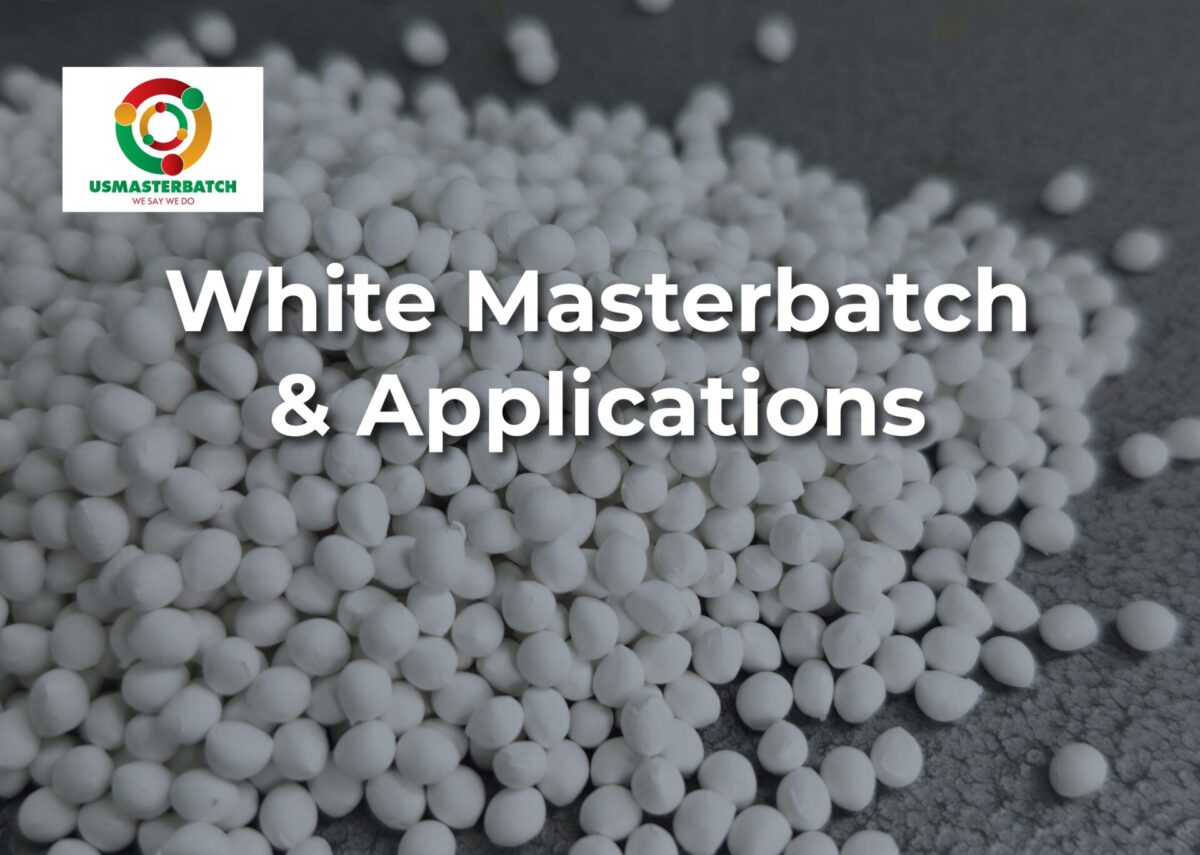
What Is White Masterbatch and Its Applications?
In the plastic manufacturing industry, achieving the perfect level of whiteness, opacity, and surface finish is essential for a wide range of products. One of the most effective solutions for this purpose is White Masterbatch — a high-quality color concentrate widely used to enhance the appearance and performance of plastic end products. Understanding what White…
Read More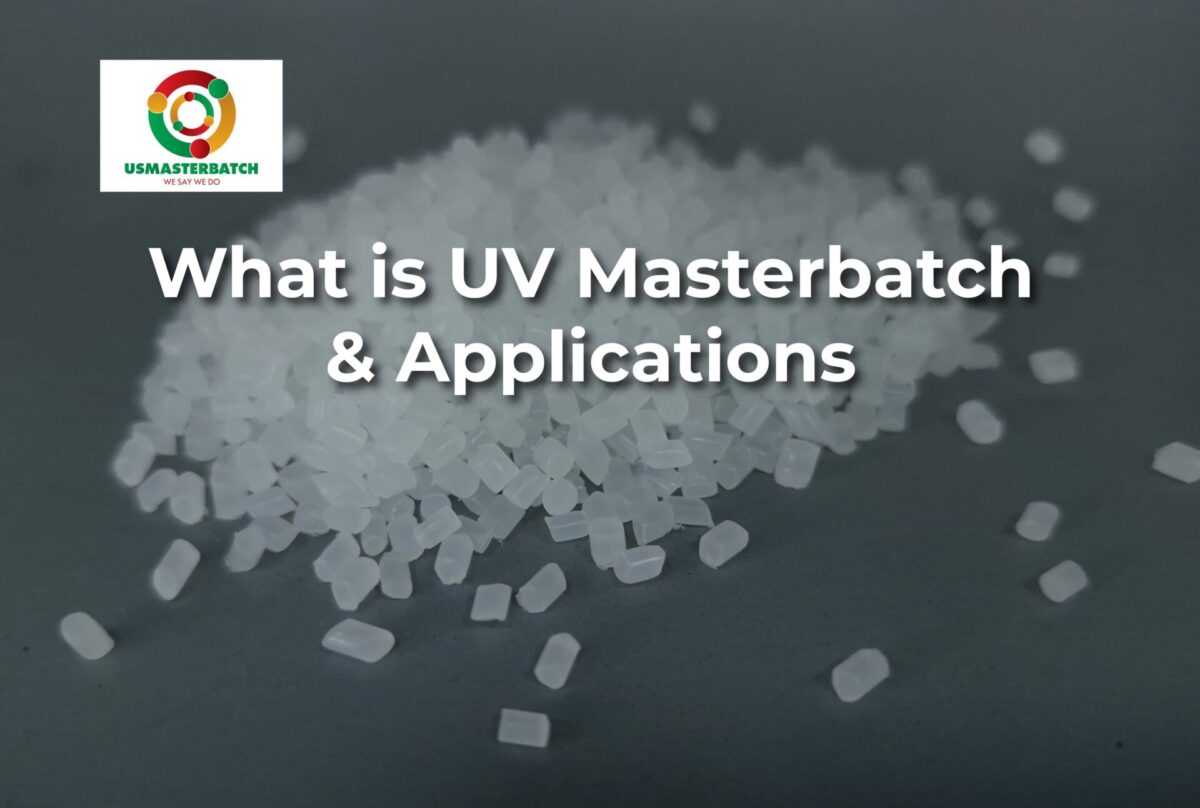
What is UV Masterbatch and Applications
In outdoor environments, plastic products are heavily exposed to ultraviolet (UV) radiation — the leading cause of aging in polymers. UV light degrades polymer structures, resulting in discoloration, brittleness, surface cracking, reduced tensile strength, and overall shorter product lifespan. For many industries such as agriculture, packaging, construction, and infrastructure, UV resistance is no longer just…
Read More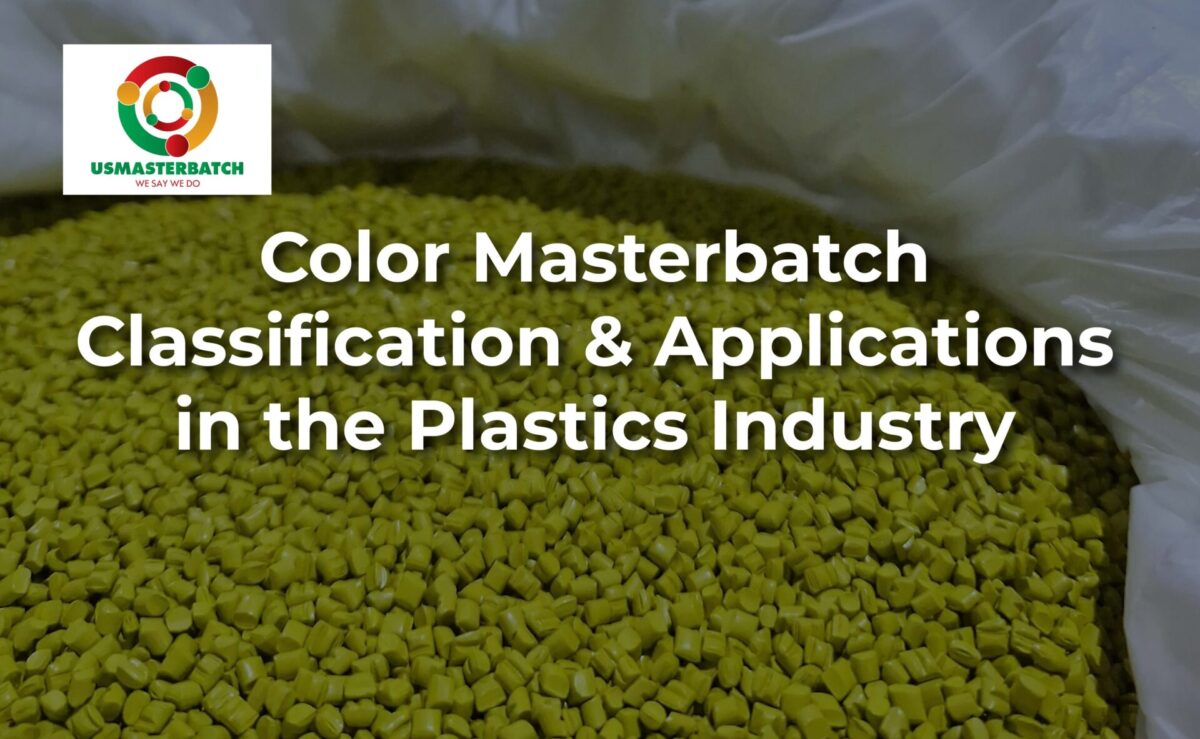
What is Color Masterbatch? Classification and Applications in the Plastics Industry
1. What is Color Masterbatch? Color Masterbatch is a concentrated mixture composed of color pigments, polymer carrier resin, and additives. It is used to add color to plastic products during processes, such as injection molding, film blowing, extrusion, and PP raffia… Instead of mixing pigment powder directly into raw plastic, manufacturers use color masterbatch pellets,…
Read More
What Is Flame Retardant Masterbatch? Key Applications
1. What Is Flame Retardant Masterbatch? In the plastics industry, fire safety has become a critical concern, especially for applications in construction, electrical, electronics, automotive, and home appliances. To minimize fire risks, manufacturers commonly use flame retardants — and one of the most efficient ways to incorporate them is through masterbatch technology. Flame Retardant Masterbatch…
Read More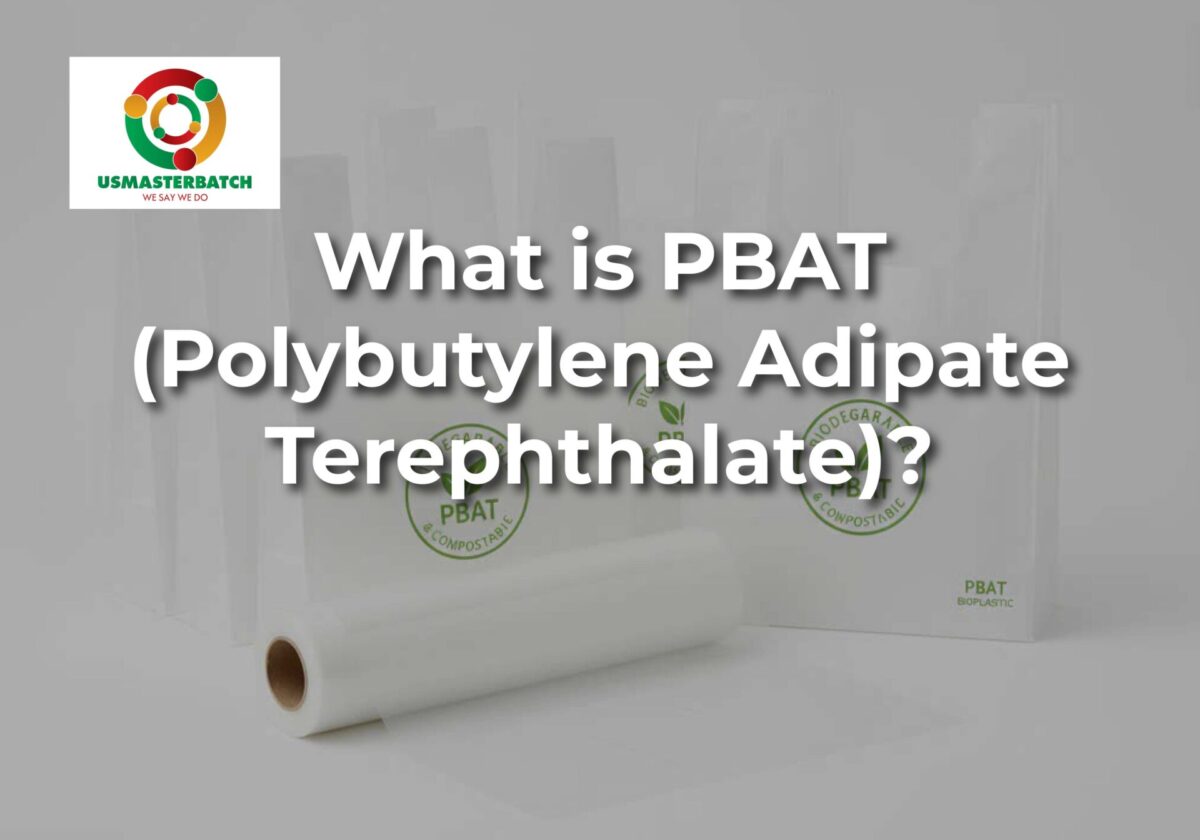
What is PBAT (Polybutylene Adipate Terephthalate)?
1. Introduction: When the World Searches for Eco-Friendly Materials Plastic pollution has become one of the most serious challenges of the 21st century. Millions of tons of plastic bags, packaging, and single-use films are overflowing oceans and landfills, with decomposition times that can span hundreds of years. In this context, bioplastics – biodegradable plastics have…
Read More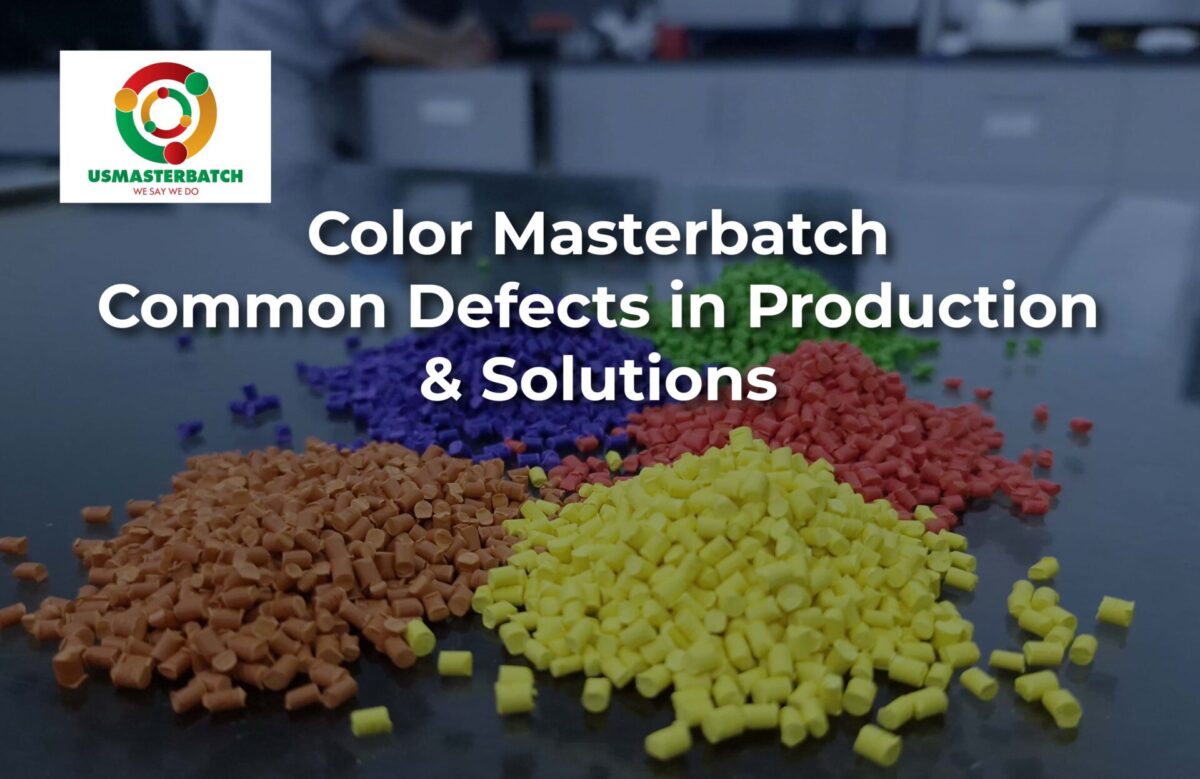
Common Defects in Color Masterbatch Production
1. Introduction to Color Masterbatch in the Plastic Industry Color Masterbatch is an essential raw material in the plastic industry. It provides color, enhances aesthetics, and adds value to the final plastic product. A high-quality color masterbatch not only ensures consistent and stable coloration, but also improves the mechanical and physical properties of plastics. However,…
Read More


