

Nylon 6 vs. Nylon 66: A Technical Comparison for Plastic Manufacturers
[US Masterbatch] In the world of engineering plastics, Polyamides (commonly known as Nylon) reign supreme due to their exceptional durability, high strength, and resistance to heat and chemicals. However, for manufacturers and R&D engineers, a common dilemma arises during the material selection process: Should we use Nylon 6 (PA6) or Nylon 66 (PA66)? While they…
Read More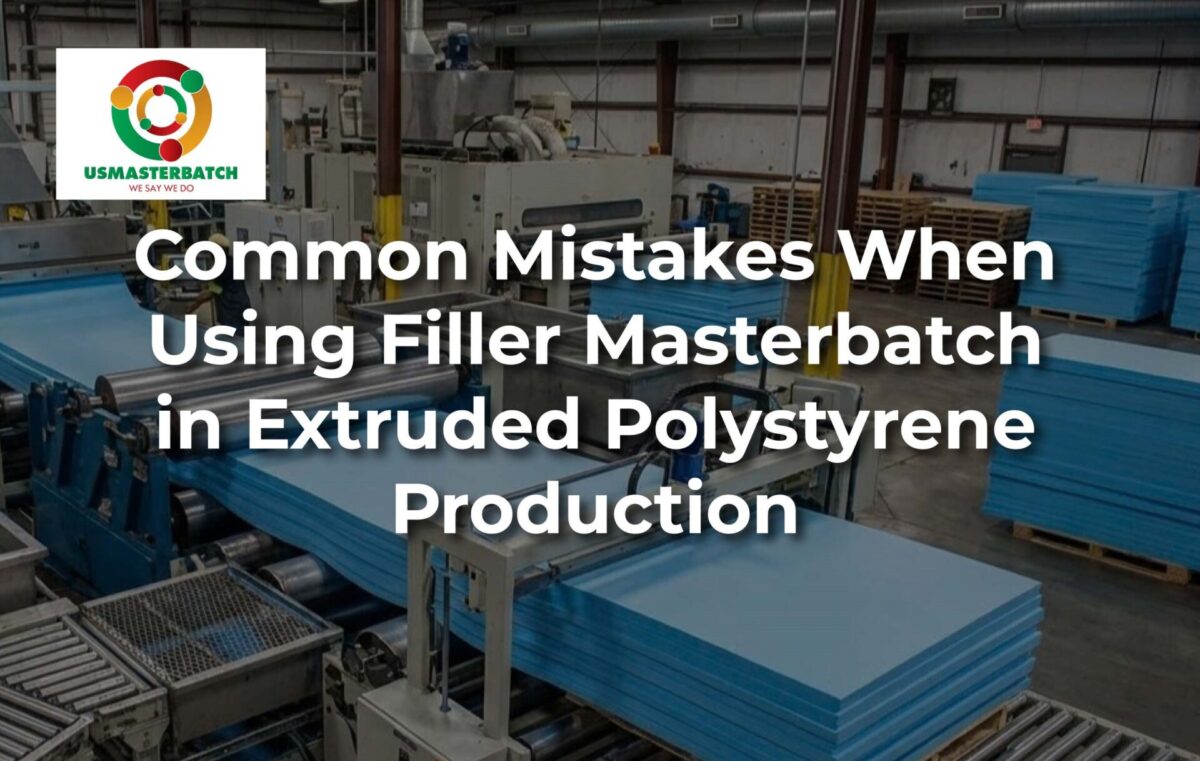
Common Mistakes When Using Filler Masterbatch in Extruded Polystyrene (XPS) Production
[US Masterbatch] Extruded polystyrene (XPS) is widely used in construction, insulation, and packaging thanks to its excellent thermal insulation, compressive strength, and moisture resistance. To reduce costs and tailor material properties, many manufacturers incorporate filler masterbatch into XPS formulations. However, improper use of filler masterbatch can lead to serious quality issues, production instability, and long-term…
Read More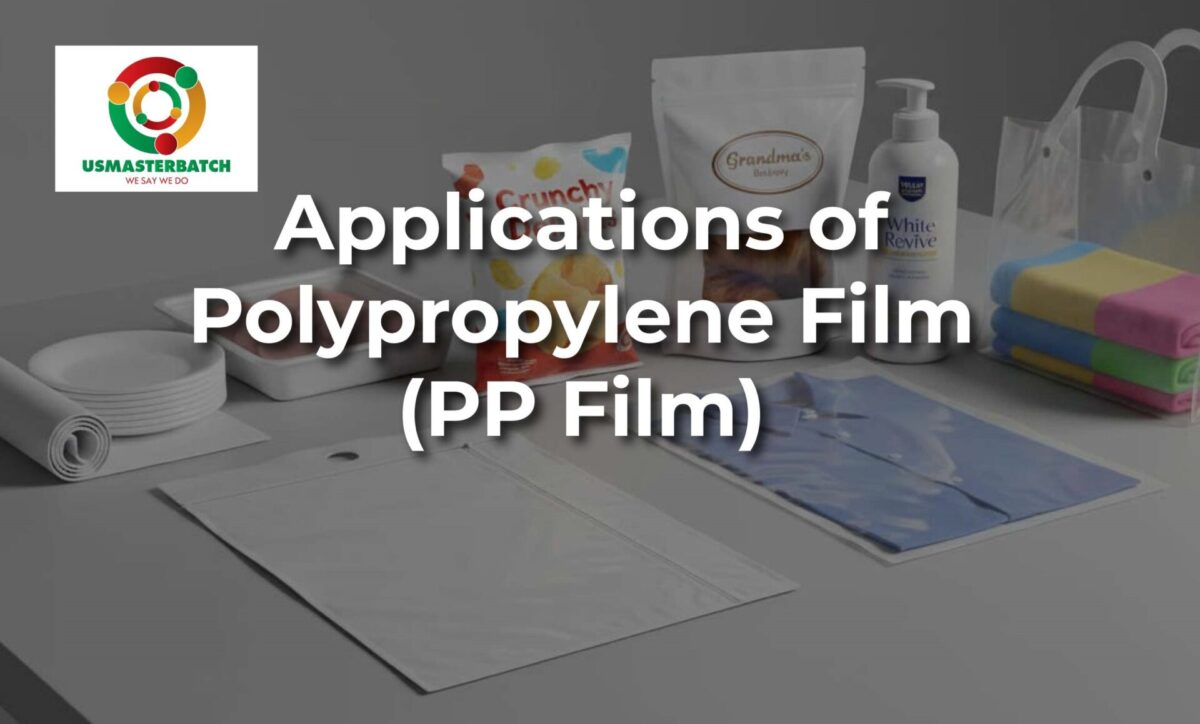
Applications of Polypropylene Film (PP Film)
Polypropylene film (PP film) is one of the most widely used plastic films in today’s packaging and industrial sectors. Thanks to its excellent balance of mechanical strength, clarity, chemical resistance, and cost efficiency, Polypropylene film has become a preferred material across multiple industries, including food packaging, FMCG, pharmaceuticals, textiles, and industrial applications. With the support…
Read More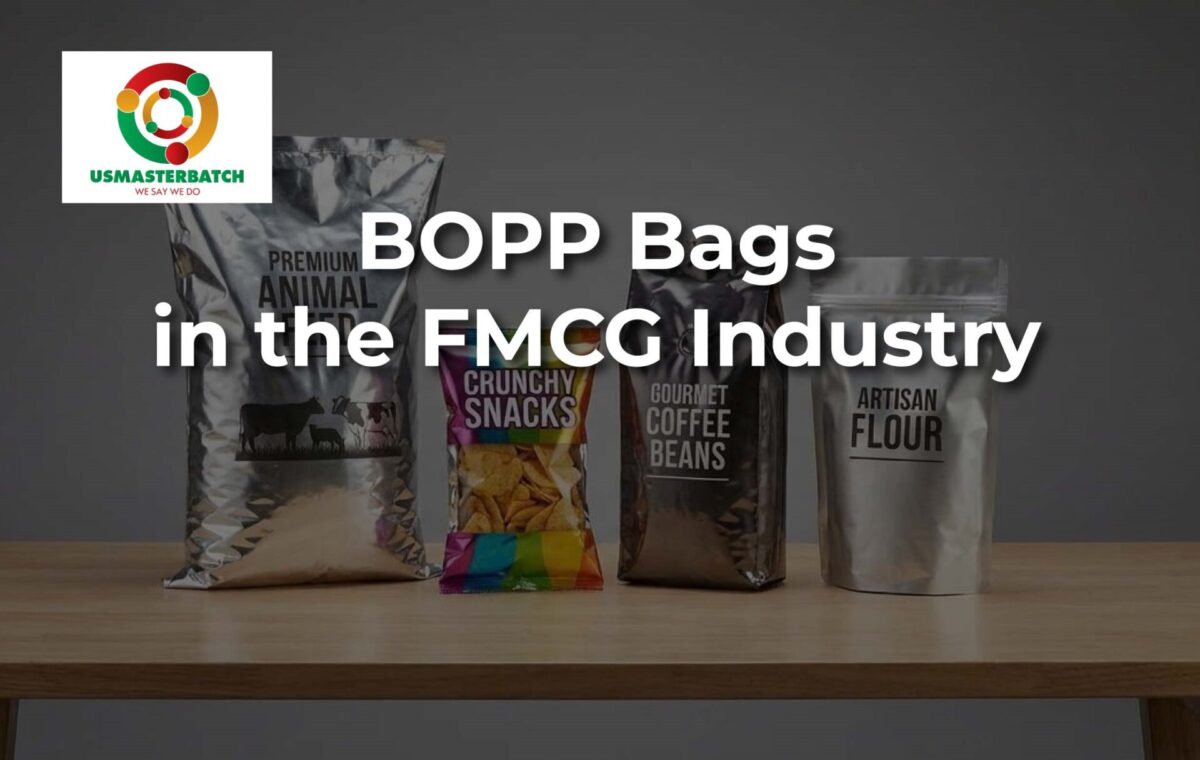
Biaxially Oriented Polypropylene Bags (BOPP Bags) in the FMCG Industry
In the Fast-Moving Consumer Goods (FMCG) industry, packaging plays a critical role not only in protecting products but also in building brand identity and influencing purchasing decisions at the point of sale. Among various packaging solutions available today, Biaxially Oriented Polypropylene (BOPP) bags have become one of the most widely used options due to their…
Read More
The BOPP Film Production Process
What is BOPP Film? BOPP stands for Biaxially Oriented Polypropylene. The term “biaxially oriented” refers to the unique manufacturing method where the polypropylene (PP) film is stretched in two directions: Machine Direction (MD): The direction of the manufacturing line. Transverse Direction (TD): The direction perpendicular to the machine flow. This dual-stretching process aligns the polymer…
Read More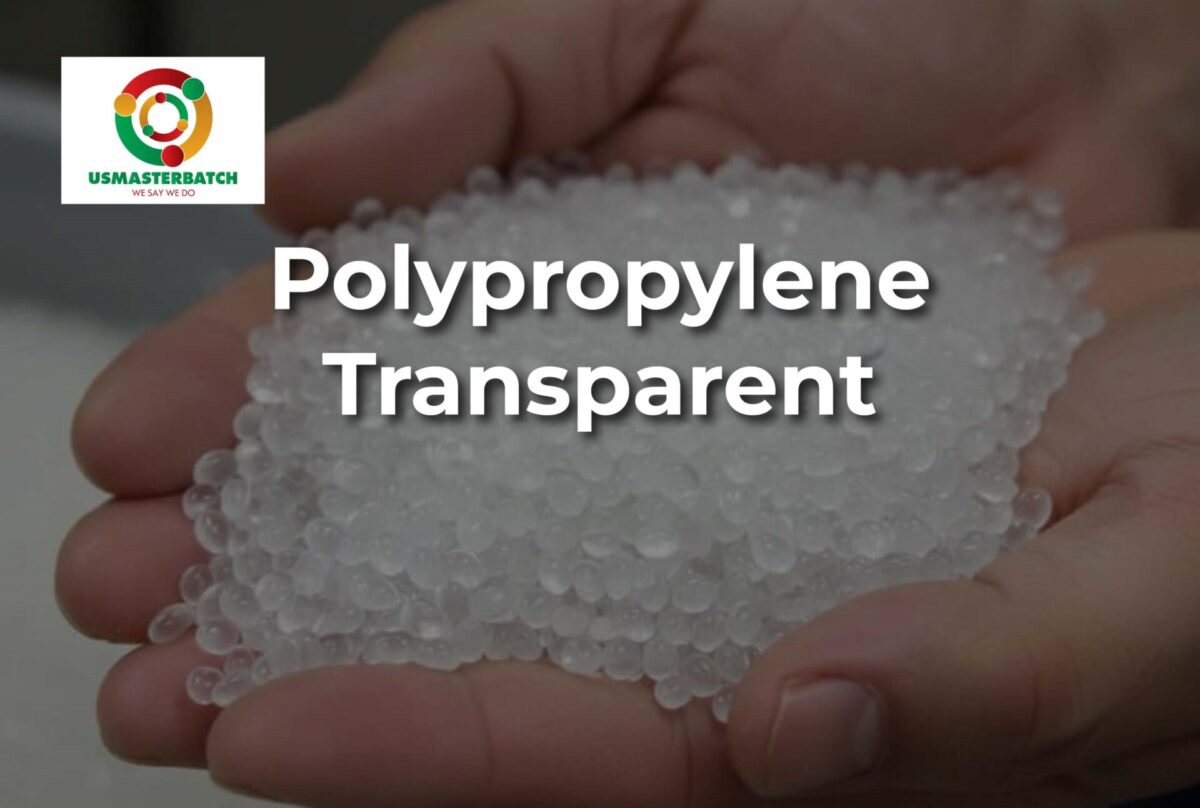
What Is Polypropylene Transparent and Applications?
As market demand continues to grow for high-clarity, lightweight, and cost-effective plastic products, manufacturers are increasingly seeking materials that combine visual appeal, performance, and safety. One such material is Polypropylene Transparent (Transparent PP) — especially when enhanced with advanced masterbatch solutions from US Masterbatch. This article provides a comprehensive overview of: What Polypropylene Transparent is…
Read More


