CPVC for Potable Water Applications: Safety, Performance, and International Certifications
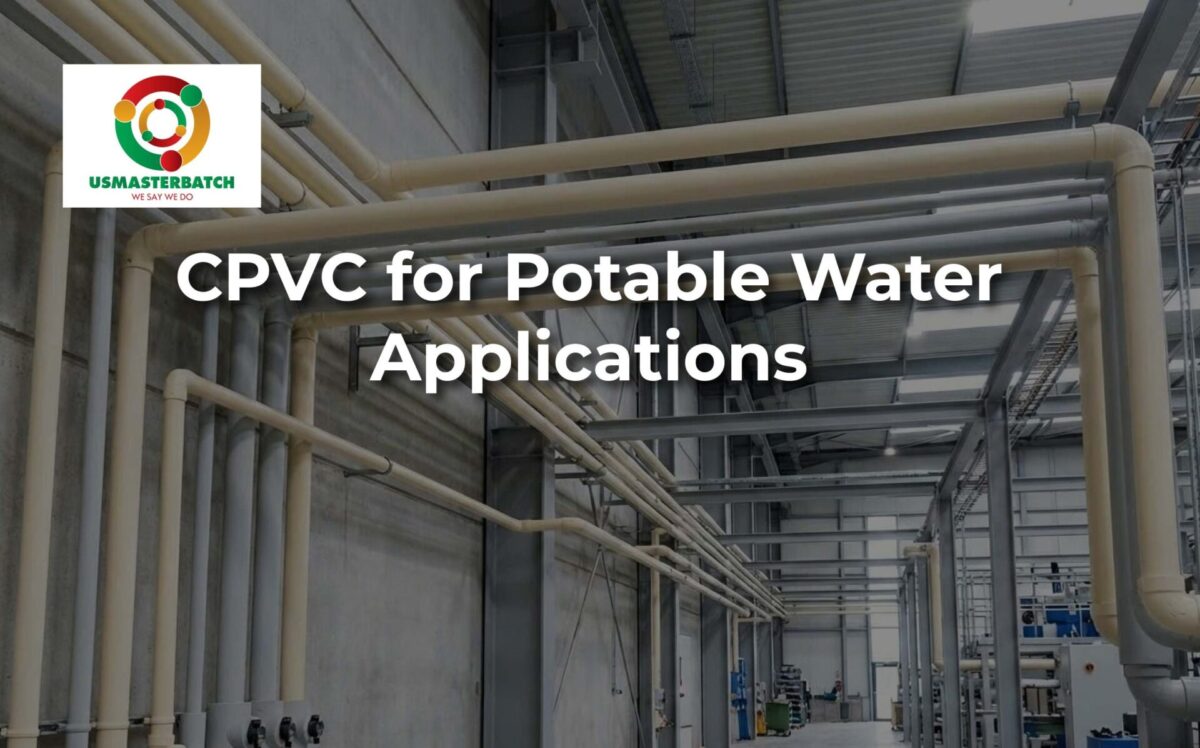
[US Masterbatch] Clean and safe drinking water is one of the most critical requirements in modern infrastructure. From residential buildings and hospitals to hotels and industrial facilities, piping systems that carry potable water must meet strict standards for safety, durability, and long-term reliability. Among available plastic piping materials, CPVC for Potable Water (Chlorinated Polyvinyl Chloride) has become a widely accepted solution for potable water applications across many global markets.
What is CPVC for Potable Water?

CPVC is a thermoplastic produced by chlorinating PVC resin, which significantly enhances its temperature resistance, pressure performance, and chemical stability. Compared to standard PVC, CPVC can safely handle hot and cold potable water, making it suitable for both cold water distribution and hot water plumbing systems.
CPVC piping systems are commonly used in:
- Residential and commercial buildings
- Hospitals and healthcare facilities
- Hotels and high-rise apartments
- Industrial buildings with potable water supply
- Fire sprinkler systems (where approved)
One of the most important reasons CPVC is preferred for potable water is its non-corrosive nature. Unlike metal pipes, CPVC does not rust, pit, or scale, helping maintain water quality throughout the system’s service life.
Key Performance Advantages of CPVC in Potable Water Systems
-
Thermal and Pressure Resistance
CPVC can operate continuously at temperatures up to approximately 90–95°C, making it suitable for hot water distribution. Its long-term hydrostatic strength allows CPVC piping systems to maintain pressure performance over decades of use.
-
Chemical Stability and Water Quality Protection
CPVC is resistant to chlorine, chloramines, and common water treatment chemicals. This stability prevents degradation and minimizes the risk of contaminants leaching into drinking water.
-
Smooth Internal Surface
The smooth bore of CPVC pipes reduces friction losses and limits scaling or sediment buildup. This helps maintain flow efficiency and reduces areas where bacteria could potentially accumulate.
-
Long Service Life
When properly designed and installed, CPVC potable water systems can provide 50 years or more of service life, even under continuous hot water conditions.
Why Safety Certification Is Critical for Potable Water Applications
Materials used in potable water systems are in direct contact with drinking water, which means they must be carefully evaluated for health and safety risks. Even trace amounts of harmful substances migrating from piping materials can pose long-term health concerns.
Therefore, CPVC compounds and piping systems must comply with recognized potable water standards, which typically assess:
- Chemical migration into water
- Heavy metal content
- Organic contaminants
- Long-term material stability
Certification is not just a formality — it is often a mandatory requirement for market access and project approval.
Major International Certifications for CPVC Potable Water Systems

-
NSF/ANSI 61 – Drinking Water System Components
NSF/ANSI 61 is one of the most widely recognized standards for potable water safety.
- Evaluates the migration of substances from materials into drinking water
- Sets strict limits for heavy metals and organic compounds
- Required in the United States, Canada, Middle East, and many international projects
For CPVC compounds, compliance with NSF/ANSI 61 confirms that the formulation does not negatively affect drinking water quality under normal operating conditions.
-
NSF/ANSI 14 – Plastic Piping System Components
NSF/ANSI 14 focuses on both material safety and system performance.
- Covers consistency of formulation and manufacturing control
- Often required together with NSF/ANSI 61
- Ensures that piping systems meet long-term quality expectations
-
WRAS – UK Water Regulations Advisory Scheme
WRAS approval is essential for potable water systems in the United Kingdom.
- Confirms that products comply with UK water supply regulations
- Ensures no harmful substances are released into drinking water
- Often required for public and commercial construction projects
-
KTW & W270 – Germany and European Markets
KTW and W270 are important standards for materials in contact with drinking water in Germany and several EU countries.
- KTW focuses on chemical migration and hygienic suitability
- W270 evaluates microbial growth on materials
- Increasingly specified in European potable water projects
-
ACS – France
ACS (Attestation de Conformité Sanitaire) is required for drinking water contact materials in France.
- Assesses chemical safety and migration limits
- Mandatory for potable water components sold or installed in the French market
Regulatory Compliance Beyond Certifications
In addition to potable water certifications, CPVC compounds should also comply with broader regulatory requirements, including:
- RoHS: Restriction of hazardous substances
- REACH: Registration and control of chemical substances in the EU
- Heavy-metal-free formulations (no lead, cadmium, or mercury)
These requirements further support environmental responsibility and product safety.
Quality Control and Traceability
For CPVC potable water applications, consistent quality is as important as certification. Reliable suppliers should maintain:
- Stable and controlled formulations
- Batch-to-batch traceability
- Regular testing and documentation
This ensures that certified performance is maintained throughout the product lifecycle.
Conclusion
CPVC has proven to be a reliable and safe material for potable water piping systems worldwide. Its excellent thermal resistance, chemical stability, and long service life make it an ideal choice for both cold and hot water distribution.
However, for drinking water applications, performance alone is not enough. Compliance with international potable water standards such as NSF/ANSI 61, NSF/ANSI 14, WRAS, KTW, W270, and ACS is essential to protect public health and meet regulatory requirements.
When selecting CPVC compounds or piping systems for potable water, always verify:
- Relevant potable water certifications
- Regulatory compliance
- Quality control and traceability
Choosing certified CPVC materials helps ensure safe drinking water, long-term reliability, and confidence for both suppliers and end users.