Nylon Disadvantages
Nylon, scientifically known as Polyamide (PA), has been a cornerstone of the plastics industry since its invention. Renowned for its high mechanical strength, elasticity, and chemical resistance, it is the go-to material for everything from automotive engine components to industrial fibers. However, in the world of high-precision manufacturing, Nylon is not a “one-size-fits-all” solution. At US Masterbatch — a leader in the masterbatch industry since 2016 — we believe that understanding the limitations of a polymer is just as important as knowing its strengths. This article explores the significant disadvantages of Nylon and provides technical insights into how these challenges affect B2B production cycles.
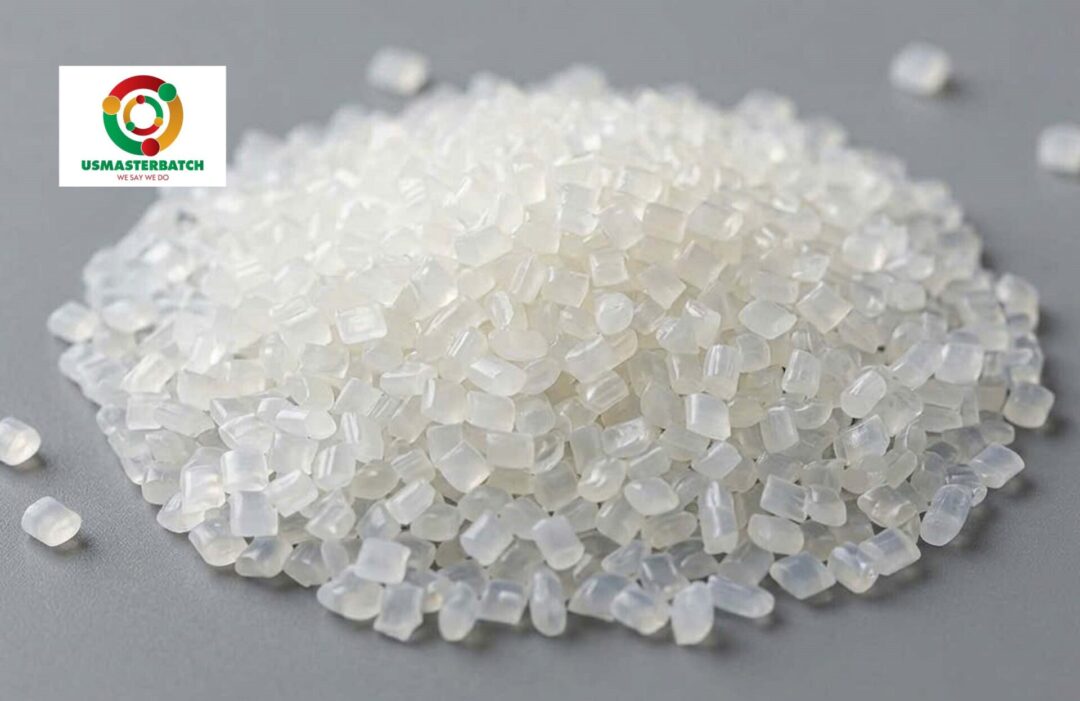
(Illustrative purposes only)
1. Disadvantages of Nylon – High Hygroscopicity: The “Water Problem”
Perhaps the most notorious disadvantage of Nylon is its hyroscopic nature. Unlike polyolefins like Polyethylene (PE) or Polypropylene (PP), Nylon molecules contain polar amide groups that readily attract and absorb moisture from the environment.
- Dimensional Instability: As Nylon absorbs water, it swells. This leads to changes in part dimensions, which is a critical failure point for high-precision gears or connectors.
- Mechanical Degradation: While moisture can act as a plasticizer (increasing impact strength), it simultaneously reduces tensile strength and stiffness.
- Processing Issues: If Nylon resin is not dried extensively before injection molding or extrusion, the trapped moisture causes “silver streaks”, bubbles, and structural voids in the final product.
2. Disadvantages of Nylon – Poor UV Resistance and Weatherability
For outdoor applications, untreated Nylon faces significant hurdles. When exposed to continuous sunlight, Nylon undergoes photo-oxidative degradation.
- Discoloration: Clear or white Nylon parts quickly turn yellow or brittle.
- Loss of Integrity: UV radiation breaks the molecular chains, leading to surface cracking (crazing) and a drastic drop in mechanical load-bearing capacity.
- The Industry Standard: Without high-quality UV Stabilizer Masterbatches, Nylon products typically fail within months of outdoor exposure.
3. Disadvantages of Nylon – High Shrinkage Rates in Molded Parts
In the injection molding process, Nylon exhibits a relatively high shrinkage rate compared to other engineering plastics.
- Uneven Cooling: Because Nylon is a semi-crystalline polymer, it shrinks significantly as it cools from a molten state to a solid.
- Warping: If the part design has varying wall thicknesses, the differential shrinkage causes the part to warp or distort, leading to high rejection rates in the QC (Quality Control) phase.
4. Disadvantages of Nylon – Thermal Limitations and Oxidation
While Nylon has a high melting point (Tm), its continuous service temperature is limited.
- Thermal Aging: Prolonged exposure to high temperatures in the presence of air leads to oxidation. This makes the material brittle and darkens its color.
- Flammability: Standard Nylon is flammable. For industries like electronics or public transport, Nylon must be modified with Halogen-Free Flame Retardants (HFFR) to meet safety codes like UL94 V-0.
5. Disadvantages of Nylon – Chemical Vulnerabilities
Despite being resistant to oils and fuels, Nylon has “Achilles’ heels” regarding specific chemicals:
- Strong Acids: Nylon degrades rapidly when in contact with strong acids (like H2SO4 or HCl).
- Phenols and Alcohols: Certain solvents can cause swelling or stress cracking.
6. Comparison: Nylon 6 vs. Nylon 66 Disadvantages
| Feature | Nylon 6 | Nylon 66 |
| Moisture Absorption | Higher (up to 9-10% at saturation) | Lower (approx 8%) |
| Melting Point | Lower (220°C) | Higher (265°C) |
| Shrinkage | More predictable | Higher and more variable |
| Cost | More economical | Higher premium |
How US Masterbatch Solves Nylon Limitations?
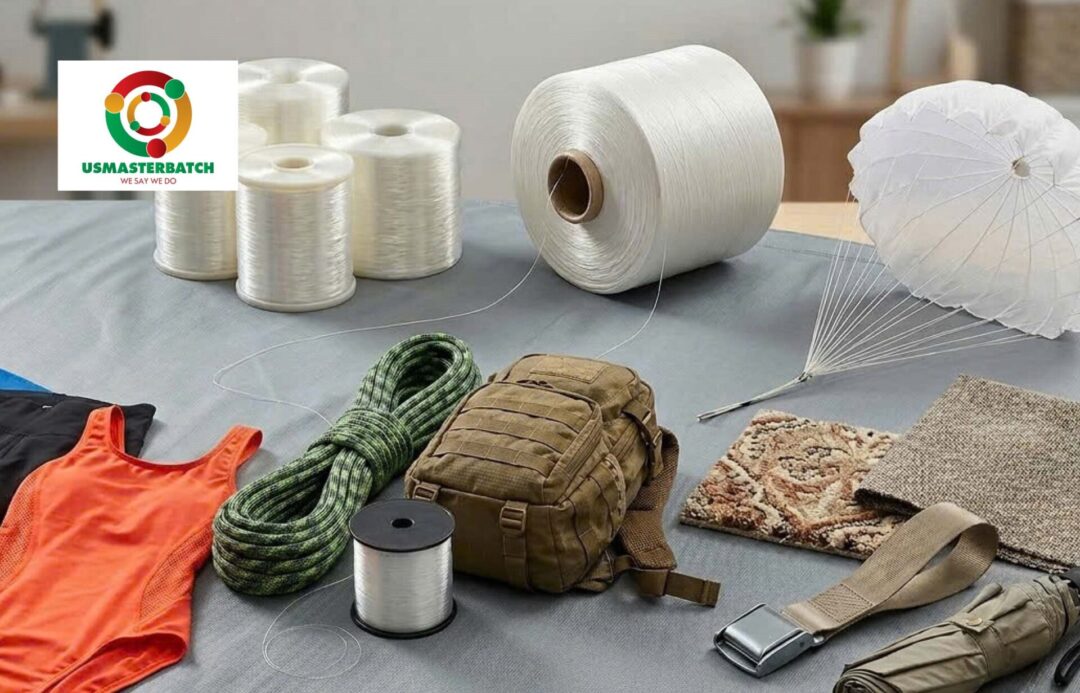
(Illustrative purposes only)
At US Masterbatch, we don’t just supply additives; we provide solutions to these inherent disadvantages. Our 10 years of expertise allow us to formulate high-performance masterbatches that transform standard Nylon into a “Super Polymer”:
- Moisture Barriers: Our specialized additives can help reduce the rate of moisture vapor transmission.
- UV Stabilization: We offer world-class UV masterbatches that extend the outdoor lifespan of PA fibers and parts by up to 5-10 years.
- Impact Modification: To counter the brittleness caused by dry conditions or aging, our impact modifiers enhance toughness without sacrificing processability.
- Chain Extenders: For recycled Nylon (PCR), our additives help restore molecular weight, negating the “disadvantage” of degraded mechanical properties in recycled streams.
Conclusion
Understanding the disadvantages of Nylon is essential for any B2B manufacturer aiming for zero-defect production. While the material has its flaws — mainly moisture sensitivity and UV degradation — these can be effectively managed through smart engineering and high-quality additive masterbatches.
As a industry leader, US Masterbatch is committed to helping you navigate these technical challenges. Our ISO-certified facility and R&D team ensure that your Polyamide products meet the highest global standards.
Ready to optimize your Nylon formulation? Contact our technical team at US Masterbatch today for a customized consultation on UV stabilizers, flame retardants, and processing aids.