

Antioxidant in Plastic: Classification and Applications
In the modern industrial landscape, polymers have become the cornerstone of innovation, replacing traditional materials in everything from automotive engineering to medical devices. However, these versatile materials possess a fundamental vulnerability: they are susceptible to degradation. When exposed to environmental stressors such as thermal energy, ultraviolet radiation, and atmospheric oxygen, the molecular structure of plastics…
Read More
What are Flame Retardant Plastics?
In the modern manufacturing landscape, safety is not just a preference — it is a regulatory mandate. As plastic applications expand into high-risk sectors like automotive, electronics, and construction, the demand for Flame Retardant Plastics has surged. But what exactly are flame retardant plastics, and how do they function at a molecular level? At US…
Read More
What Is PP Non Woven Fabric?
[US Masterbatch] PP Non Woven Fabric is one of the most widely used materials in modern industries due to its versatility, cost-effectiveness, and environmentally friendly characteristics. From medical and hygiene products to packaging, agriculture, furniture, and construction, this material plays an essential role in daily life and industrial production. With the growing demand for lightweight,…
Read More
Nylon 6 vs. Nylon 66: A Technical Comparison for Plastic Manufacturers
[US Masterbatch] In the world of engineering plastics, Polyamides (commonly known as Nylon) reign supreme due to their exceptional durability, high strength, and resistance to heat and chemicals. However, for manufacturers and R&D engineers, a common dilemma arises during the material selection process: Should we use Nylon 6 (PA6) or Nylon 66 (PA66)? While they…
Read More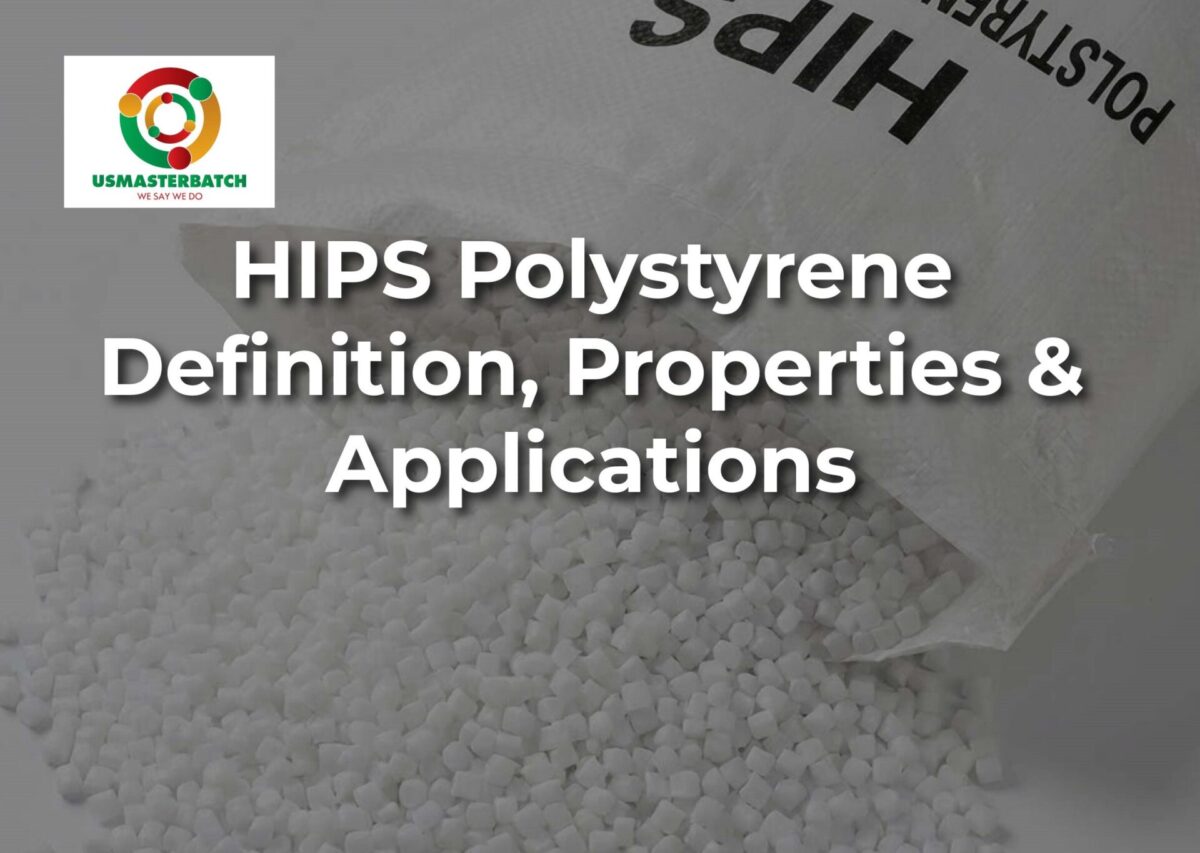
What is HIPS Polystyrene? Properties and Applications
1. What is HIPS Polystyrene? HIPS Polystyrene (High Impact Polystyrene) is a thermoplastic polymer belonging to the Polystyrene family, specifically engineered to offer higher impact resistance compared to conventional GPPS (General Purpose Polystyrene). HIPS is produced by blending Polystyrene with Polybutadiene rubber, which significantly reduces brittleness and improves toughness. In industrial applications, HIPS is widely…
Read More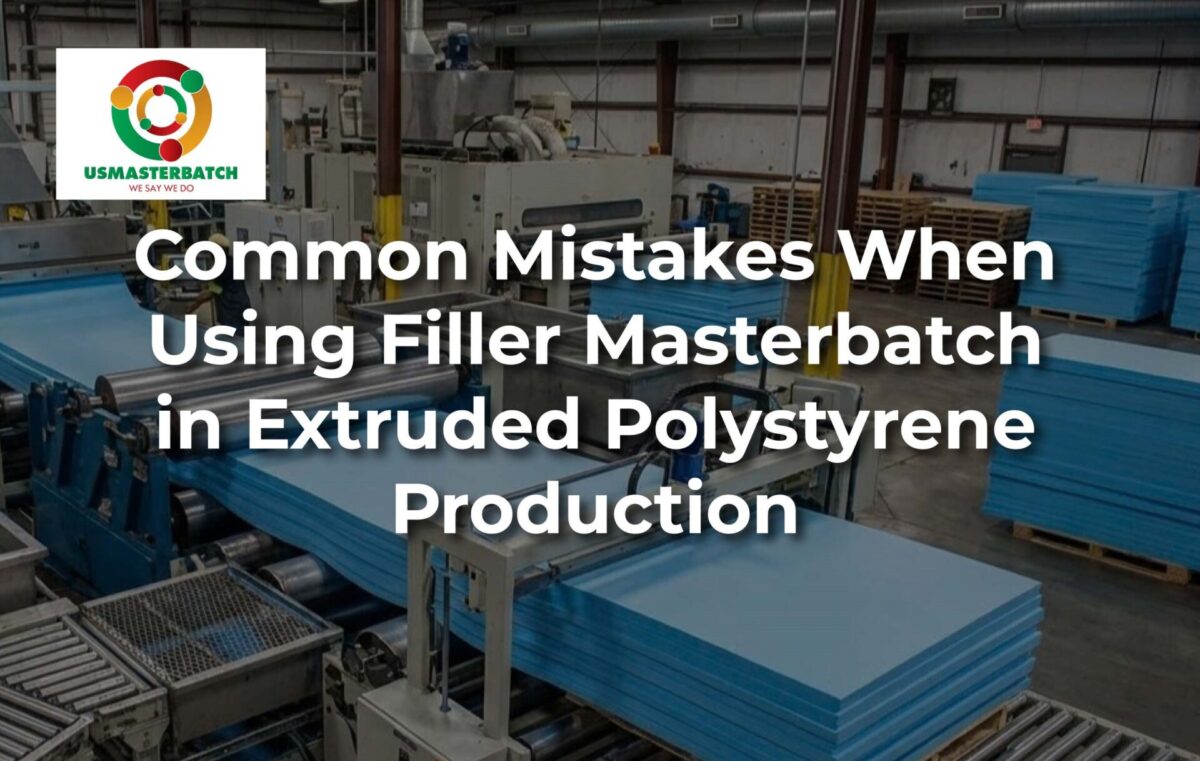
Common Mistakes When Using Filler Masterbatch in Extruded Polystyrene (XPS) Production
[US Masterbatch] Extruded polystyrene (XPS) is widely used in construction, insulation, and packaging thanks to its excellent thermal insulation, compressive strength, and moisture resistance. To reduce costs and tailor material properties, many manufacturers incorporate filler masterbatch into XPS formulations. However, improper use of filler masterbatch can lead to serious quality issues, production instability, and long-term…
Read More


