
UV Stabilizer for PVC – Benefits and Applications
1. What is a UV Stabilizer for PVC Compound?

A UV stabilizer for PVC is an important group of functional additives incorporated into PVC compounds to protect the material from the destructive effects of ultraviolet (UV) radiation in sunlight. When PVC products are used outdoors or in environments with high light intensity, UV rays gradually attack the polymer structure, causing premature aging and degradation of material performance.
UV-induced degradation of PVC typically occurs slowly but leads to clear and serious consequences, such as:
- Discoloration, fading, or yellowing of the product
- Surface chalking and loss of gloss
- Reduction in mechanical strength, making the material brittle and prone to cracking
- Shortened service life compared to the original design expectations
UV stabilizers function by absorbing, reflecting, or neutralizing UV energy before it can break the PVC polymer chains. As a result, PVC compounds are able to maintain their mechanical properties, color stability, and surface appearance throughout their intended service life.
2. Why does PVC Compound need UV Stabilizers?
PVC (Polyvinyl Chloride) is a widely used thermoplastic material in construction, electrical and electronic applications, infrastructure, agriculture, and various industrial sectors. However, one of the main limitations of PVC is its relatively poor natural resistance to UV radiation.
Under prolonged exposure to sunlight:
- C–Cl bonds in the PVC polymer chains can break
- Free radicals are generated, accelerating oxidation reactions
- Photo-thermal degradation processes become more intense
These effects are especially critical for outdoor PVC products such as electric cables, pipes, window and door profiles, fences, roofing sheets, and PVC films. Without an appropriate UV stabilization system, such products may deteriorate within only a few months to a few years, leading to safety issues, aesthetic problems, and increased maintenance costs.
Therefore, incorporating UV stabilizers into PVC compound formulations is essential to ensure durability and stable performance in outdoor applications.
3. Common Types of UV Stabilizers for PVC Compounds
Depending on technical requirements, service conditions, and cost considerations, UV stabilizers for PVC compounds can be classified into several main categories:
3.1. UV Absorbers
UV absorbers work by absorbing UV radiation and converting it into harmless low-level heat energy that does not damage the PVC polymer.
Common UV absorbers include:
- Benzophenones
- Benzotriazoles
Advantages:
- High efficiency in preventing discoloration and fading
- Suitable for applications with high aesthetic requirements
Limitations:
- May be gradually consumed over long-term outdoor exposure, especially under strong sunlight
3.2. HALS – Hindered Amine Light Stabilizers
HALS do not absorb UV radiation directly. Instead, they work by neutralizing free radicals generated during the photodegradation process of PVC.
Key advantages:
- Long-term stabilization efficiency
- Excellent retention of mechanical properties
- Particularly suitable for long-life outdoor applications
In practical PVC compound formulations, HALS are often combined with UV absorbers to create a comprehensive light stabilization system that provides both color stability and mechanical durability.
3.3. UV-Blocking Pigments and Fillers
Certain pigments and fillers can reflect or block UV radiation from penetrating deeply into the PVC material. Typical examples include:
- Carbon black
- Titanium dioxide (TiO₂)
Among these, carbon black is especially effective for black outdoor PVC products, significantly enhancing UV resistance and extending product service life.
4. Benefits of UV Stabilizers
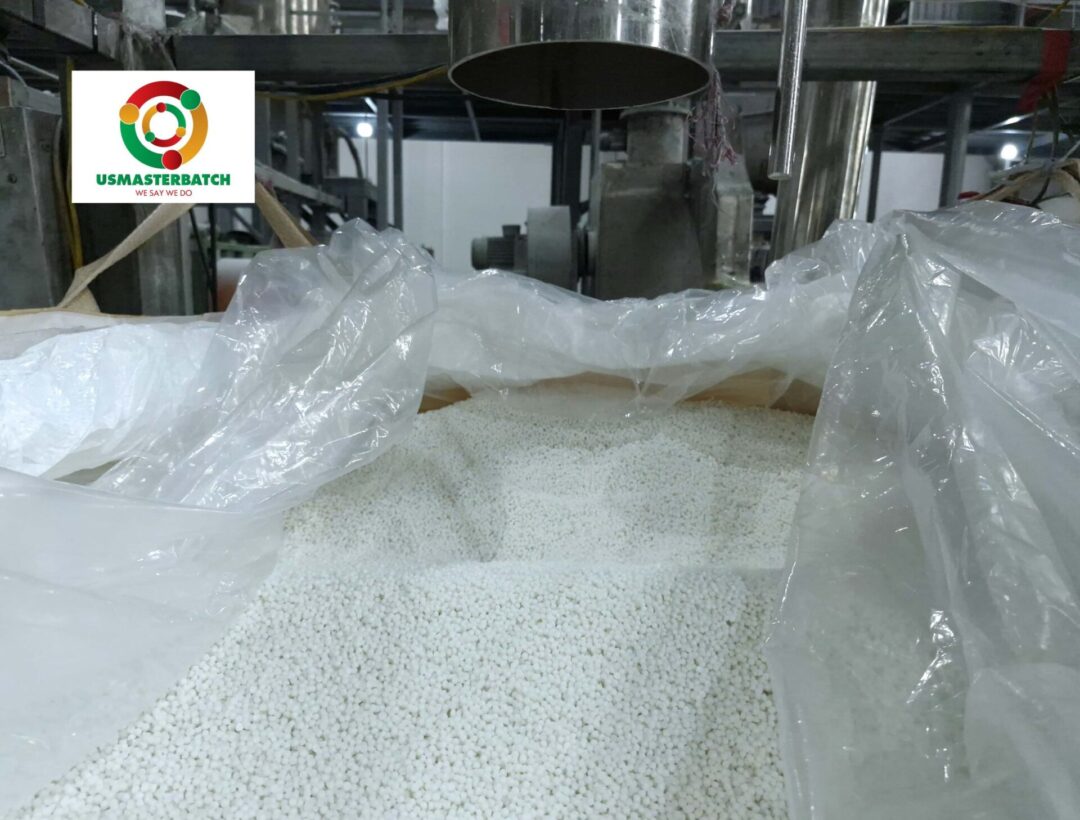
The incorporation of UV stabilizers provides significant benefits to both manufacturers and end users:
4.1. Extended Product Service Life
UV stabilizers substantially slow down UV-induced aging, extending the service life of outdoor PVC products from only a few years to several decades, depending on formulation design and exposure conditions.
4.2. Stable Mechanical Properties
PVC compounds containing UV stabilizers retain critical properties such as:
- Tensile strength
- Impact resistance
- Flexibility and processability
This is particularly important for electric cables, pressure pipes, and technical profiles.
4.3. Improved Color and Surface Stability
UV stabilizers help minimize fading, chalking, and surface cracking, thereby preserving the aesthetic appearance and brand value of finished PVC products.
4.4. Reduced Maintenance and Replacement Costs
Longer-lasting products require less frequent repair and replacement, resulting in lower total cost of ownership throughout the product life cycle.
5. Applications of UV Resistant PVC Compounds
PVC compounds formulated with UV stabilizers are widely used across many industries, including:
- Outdoor electric cables: power cables, telecommunication cables, solar energy cables
- PVC pipes and fittings: water supply pipes, drainage systems, agricultural irrigation pipes
- Profiles and construction materials: window and door profiles, fences, sun-shading louvers, cladding panels
- Industrial and consumer products: PVC tarpaulins, films, mats, and other outdoor plastic components
6. Selecting the Right UV Stabilizer System for PVC Compounds
Choosing an appropriate UV stabilization system depends on several factors:
- Service environment (intense sunlight, tropical climate, marine conditions, etc.)
- Required product lifetime and technical standards
- Color, thickness, and processing method of the product
- Environmental and regulatory requirements such as RoHS, REACH, and Lead-Free compliance
In most cases, PVC compound manufacturers design optimized formulations by combining different UV stabilizers, while carefully balancing them with heat stabilizers, plasticizers, and other additives.
7. Conclusion
UV stabilizers play a critical role in enhancing the quality and durability of PVC compounds for outdoor applications. Proper selection and formulation of UV stabilization systems not only protect PVC materials from sunlight-induced aging but also deliver long-term economic value to manufacturers and end users.
For producers of cables, pipes, profiles, and construction materials, investing in high-quality UV stabilized for PVC compounds is a sustainable solution to meet increasingly stringent technical and performance requirements of the global market.