What is Medical TPE and What Standards Does It Require?
[US Masterbatch] Medical Thermoplastic Elastomers (Medical TPE) are increasingly used in the healthcare industry due to their flexibility, safety, and excellent processing performance. As medical devices demand high levels of hygiene, biocompatibility, and durability, Medical TPE has become a preferred alternative to traditional materials like PVC and rubber. This article explores what Medical TPE is, its key characteristics, and the essential standards it must meet.
What Is Medical TPE?
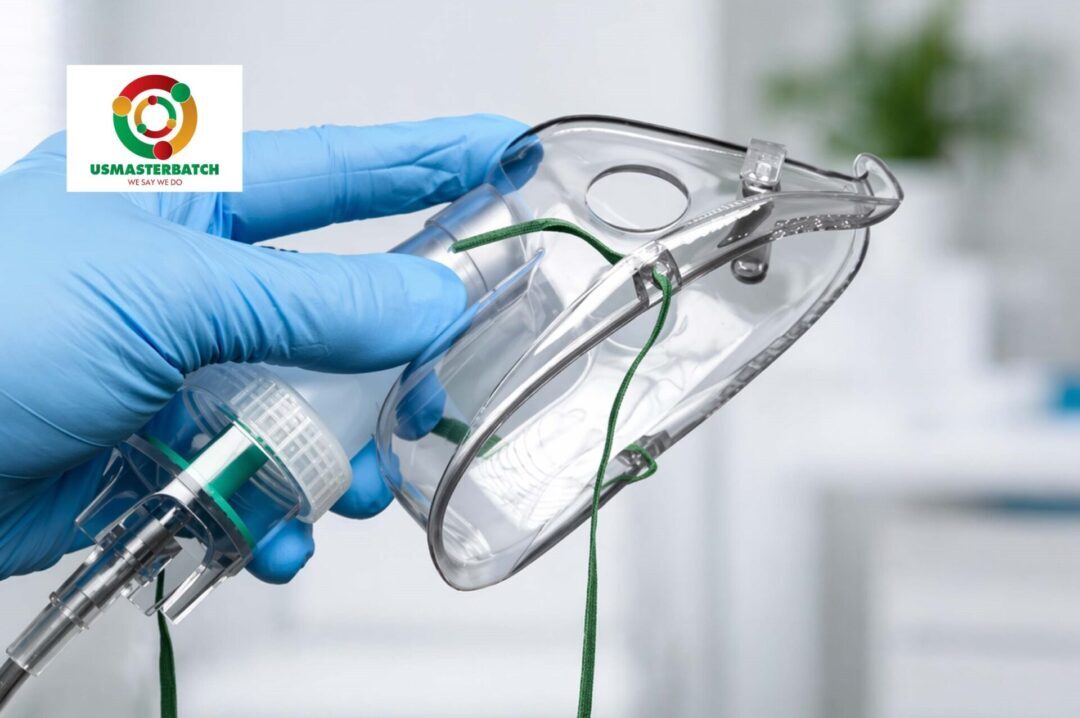
(Illustrative purpose only)
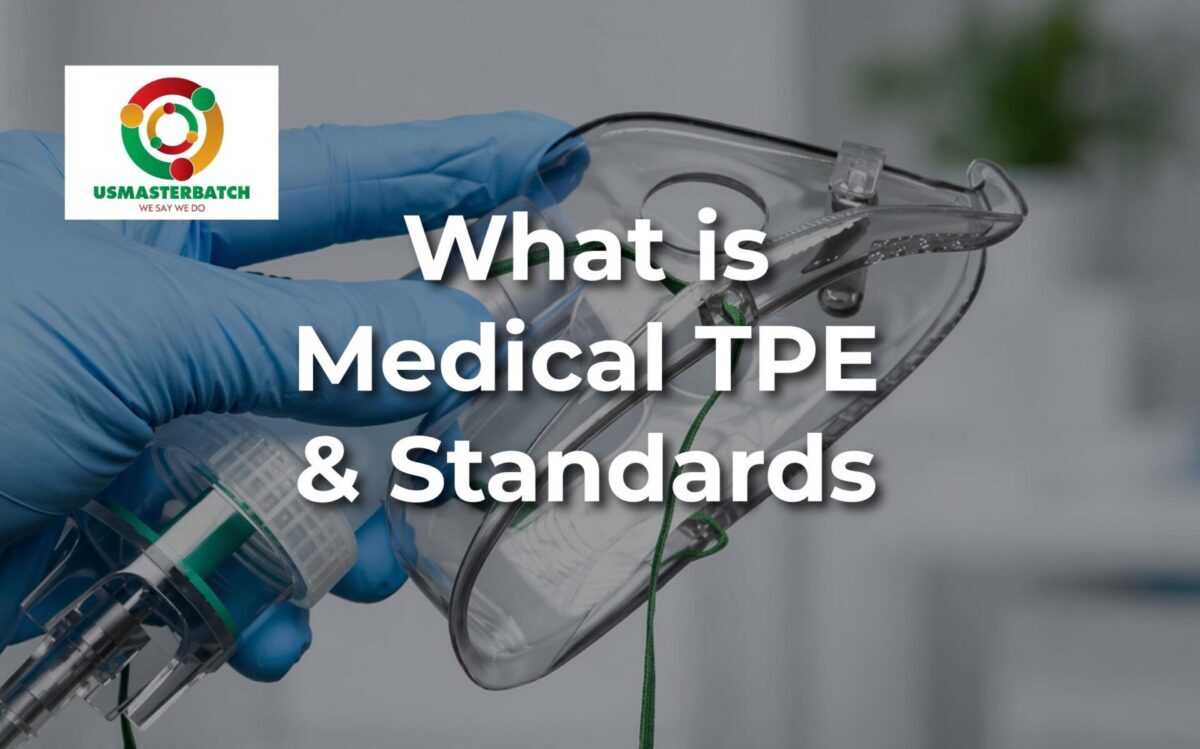
These refers to a class of thermoplastic elastomers specifically formulated for medical and healthcare applications. These materials combine the elasticity of rubber with the processing advantages of thermoplastics. Unlike conventional rubber, Medical TPE can be easily molded, extruded, and recycled, making it highly efficient for manufacturing.
Medical TPE is widely used in products such as tubing, seals, syringe components, medical bags, catheters, and wearable medical devices. Its soft-touch feel, transparency, and chemical resistance make it particularly suitable for applications that require direct or indirect contact with the human body.
Core Properties for Healthcare Use
Medical-grade TPE offers a unique combination of properties that make it ideal for healthcare use:
- Biocompatibility: Safe for contact with skin and bodily fluids without causing irritation or toxicity.
- Flexibility and Elasticity: Provides rubber-like softness while maintaining structural integrity.
- Chemical Resistance: Resistant to cleaning agents, disinfectants, and bodily fluids.
- Sterilization Compatibility: Can withstand common sterilization methods such as gamma radiation, ethylene oxide (EtO), and steam.
- Transparency: Allows for visual inspection in medical applications.
- Latex-Free and PVC-Free: Reduces the risk of allergic reactions and harmful plasticizers.
Applications in crucial sectors
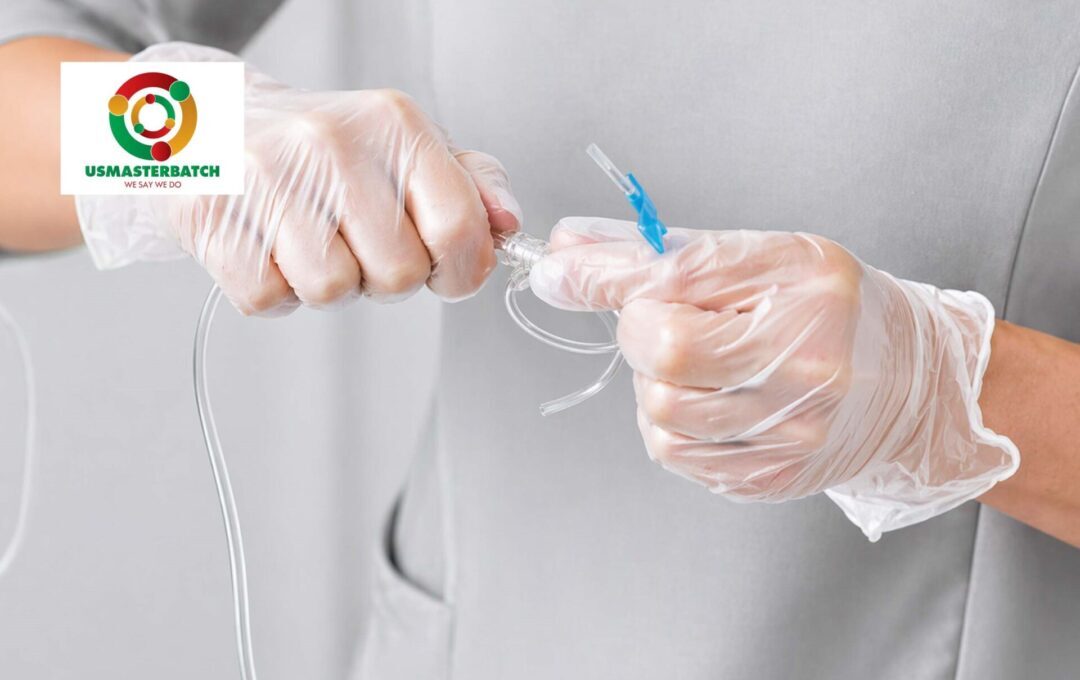
(Illustrative purpose only)
These materials is used in a wide range of healthcare and pharmaceutical applications:
- Medical Tubing: IV lines, infusion systems, and drainage tubes.
- Seals and Gaskets: Used in medical equipment to ensure leak-proof performance.
- Syringe Components: Plungers and seals for precise drug delivery.
- Medical Bags: Blood bags, IV bags, and fluid containers.
- Wearable Devices: Soft-touch components in monitors and diagnostic devices.
- Packaging: Pharmaceutical packaging that requires high purity and safety.
Key Standards for Medical TPE
To ensure safety and compliance, these must meet strict international standards and regulations:
- ISO 10993 – Biocompatibility Testing
ISO 10993 is one of the most important standards for medical materials. It evaluates the biological safety of materials in contact with the human body, including cytotoxicity, sensitization, and irritation tests.
- USP Class VI
USP Class VI certification ensures that the material meets stringent biological reactivity tests, including systemic toxicity, intracutaneous, and implantation tests. It is widely recognized in the medical industry.
- FDA Compliance
Medical TPE used in the United States must comply with FDA regulations, particularly 21 CFR guidelines. This ensures that the material is safe for food and medical contact applications.
- RoHS and REACH Compliance
These regulations restrict the use of hazardous substances in materials. Medical TPE must be free from harmful chemicals such as heavy metals and certain plasticizers.
- ISO 13485 – Quality Management System
Manufacturers of this materials should comply with ISO 13485, which specifies requirements for a quality management system in the medical device industry.
- Sterilization Standards
Medical TPE must be compatible with sterilization methods such as gamma irradiation, EtO, and autoclaving without degradation or loss of properties.
Benefits of Using Medical TPE
These provides several advantages over traditional materials:
- Enhanced Safety: Free from latex and harmful additives.
- Design Flexibility: Suitable for complex shapes and soft-touch designs.
- Cost Efficiency: Easier processing reduces manufacturing costs.
- Recyclability: Supports sustainable production practices.
- Comfort: Soft and skin-friendly, ideal for wearable medical devices.
Conclusion
Medical TPE is a versatile and high-performance material that meets the demanding requirements of the healthcare industry. With its excellent biocompatibility, flexibility, and compliance with strict international standards such as ISO 10993, USP Class VI, and FDA regulations, it has become a reliable choice for medical manufacturers. As the demand for safe, efficient, and sustainable medical materials continues to grow, it will play an increasingly important role in the future of healthcare innovation.