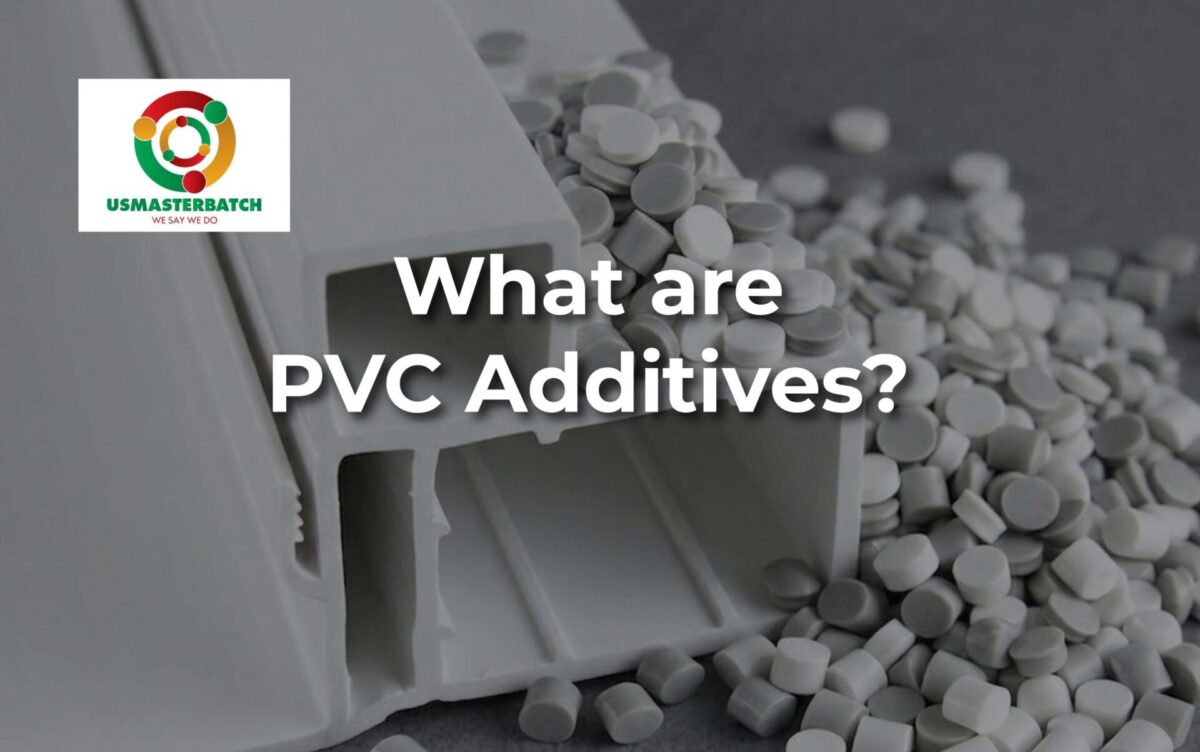
What are PVC Additives?
For a global leader like US Masterbatch, the science of PVC compounding relies on the precise synergy of these chemical components to ensure processing efficiency and end-product longevity.
1. The Critical Role of PVC Additives in Processing
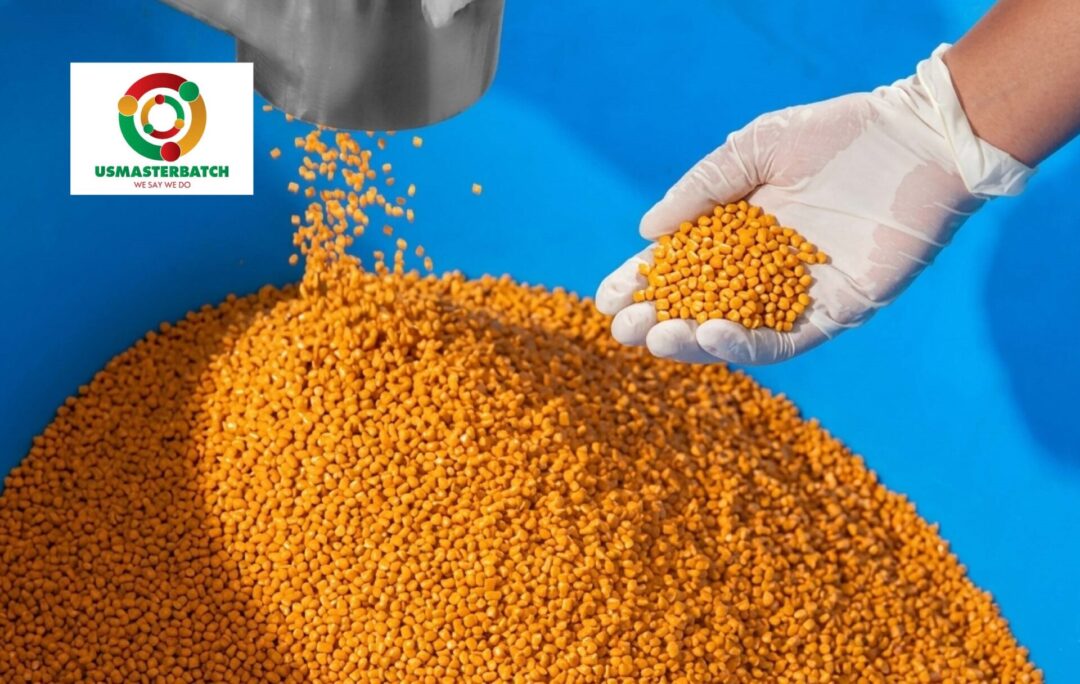 (Illustrative purpose only)
PVC additives are functional substances incorporated into the PVC matrix during the dry-blending or compounding stage. Their primary objective is twofold: to enable the material to withstand the high temperatures of extrusion and injection molding, and to impart specific mechanical or aesthetic properties required by the end-user.
Without a robust additive package, PVC would undergo dehydrochlorination (the release of hydrochloric acid) at temperatures as low as 160°C, leading to severe discoloration, structural failure, and damage to processing machinery.
2. Heat Stabilizers: The Foundation of PVC Chemistry
Heat stabilizers are arguably the most vital additives in any PVC formulation. Because PVC is inherently heat-sensitive, these stabilizers prevent the polymer from degrading during thermal processing.
- Mechanism of Action: They work by neutralizing the evolved hydrochloric acid (HCl) and replacing unstable chlorine atoms (labile chlorides) within the polymer chain.
- Common Systems: While lead-based stabilizers were the historical standard, the modern B2B market has shifted toward Calcium-Zinc (Ca-Zn) and Organotin stabilizers. These systems offer superior transparency and weatherability while meeting strict RoHS and REACH environmental standards.
3. Plasticizers in PVC additives: Controlling Flexibility and Hardness
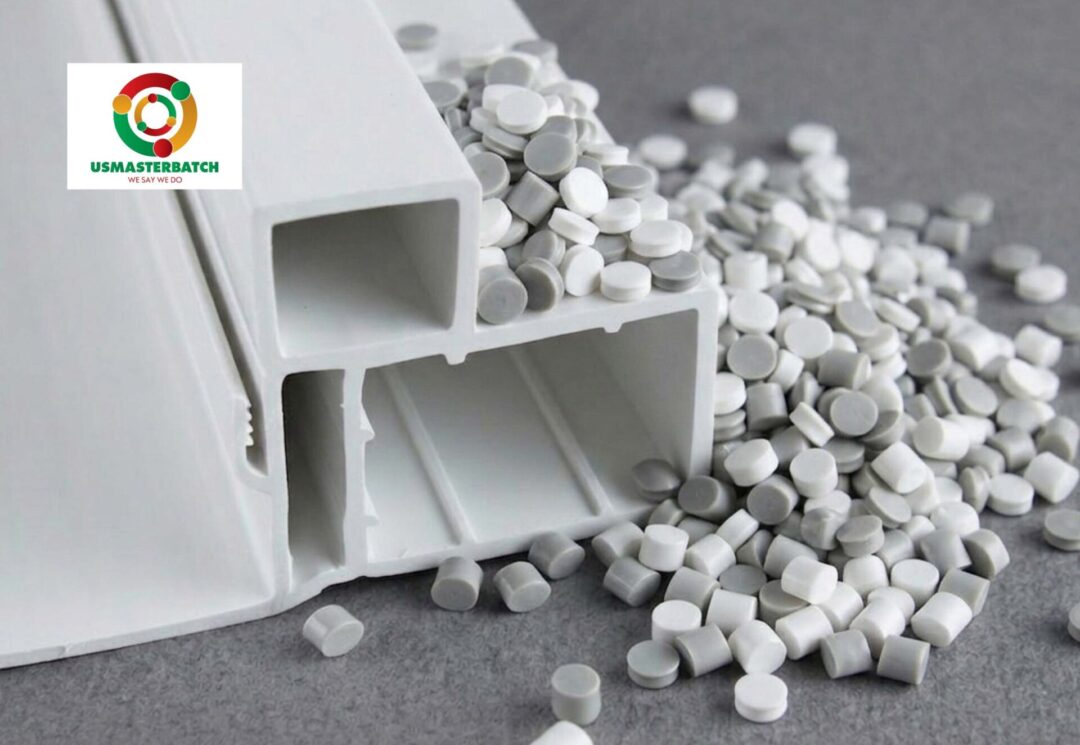
(Illustrative purpose only)
The distinction between Rigid PVC (uPVC) and Flexible PVC (pPVC) is defined entirely by the presence and concentration of Plasticizers.
- Functionality: Plasticizers are non-volatile solvents that embed themselves between polymer chains, increasing the free volume and allowing the chains to slide past one another.
- Performance Metrics: For industrial applications like wire and cable insulation, plasticizers must exhibit low volatility and high resistance to migration to ensure the material does not become brittle over its 20-year service life.
4. Impact Modifiers: Enhancing Structural Durability
Standard PVC has poor resistance to sudden mechanical stress, particularly at low temperatures. Impact Modifiers act as energy-absorbing rubbery phases dispersed within the rigid PVC matrix.
- Types: Chlorinated Polyethylene (CPE) and Methyl Methacrylate Butadiene Styrene (MBS) are the industry standards.
- B2B Benefit: By incorporating these additives, manufacturers can produce PVC siding or outdoor profiles that withstand high-impact forces without cracking, even in sub-zero climates.
5. Lubricants: Optimizing Flow and Output
As a key component of PVC additives systems, lubricants are essential for fine tuning the rheology of the PVC melt. Accordingly, manufacturers categorize them into two functional groups:
- Internal Lubricants: These reduce the friction between the polymer molecules themselves, effectively lowering the melt viscosity and reducing heat build-up during high-speed extrusion.
- External Lubricants: These create a thin film between the hot PVC melt and the metal surfaces of the extruder barrel and die. This prevents “plate-out” and ensures a smooth, high-gloss surface finish on the final product.
6. Processing Aids and UV Stabilizers
To achieve a perfect surface finish and long-term outdoor survival, two additional additive groups are often employed:
- Processing Aids: Usually acrylic-based, these promote faster fusion (melting) and improve melt strength, which is critical for complex profiles and thin-walled pipes.
- UV Stabilizers: These protect the polymer from photodegradation caused by sunlight. They absorb or screen harmful UV rays, preventing the “chalking” and yellowing commonly seen in low-quality plastic products.
7. Color Masterbatch: Visual Excellence and Technical Consistency
While PVC additives provide the functional “muscle”, Color Masterbatch provides the identity. In the B2B sector, color consistency is measured by the Delta E (dE) value.
At US Masterbatch, our color solutions for PVC are engineered for:
- High Dispersion: Ensuring pigments are distributed evenly to avoid mechanical weak points.
- Heat Fastness: Guaranteeing that the color does not shift during the intensive heat of the compounding process.
- Light Fastness: Ensuring vibrant colors remain stable under intense outdoor exposure.
8. Navigating Regulatory Compliance (RoHS & FDA)
In the modern landscape, selecting PVC additives is no longer just about performance; it is also about safety. As a result, global procurement teams prioritize additives that are:
- Lead-Free: To comply with building safety and environmental regulations.
- Phthalate-Free: Especially for medical and toy-grade applications.
- Low VOC: To improve indoor air quality for flooring and wall coverings.
Conclusion
PVC additives directly determine the performance of any PVC product. From preventing thermal degradation to ensuring precise color matching, the right additive package is what separates industrial grade PVC from substandard materials.
With a decade of expertise, US Masterbatch Joint Stock Company stands as a premier partner for the global plastics industry. We provide the technical expertise and high performance masterbatch and PVC additives solutions required to navigate the complexities of PVC formulation.
Are you looking to enhance your PVC production efficiency or improve color precision with the right PVC additives?
Contact the US Masterbatch technical team today for customized consultations and high performance additive solutions tailored to your specific manufacturing needs.