
UV Plastic Protection: Science, Additives, and Industrial Methods
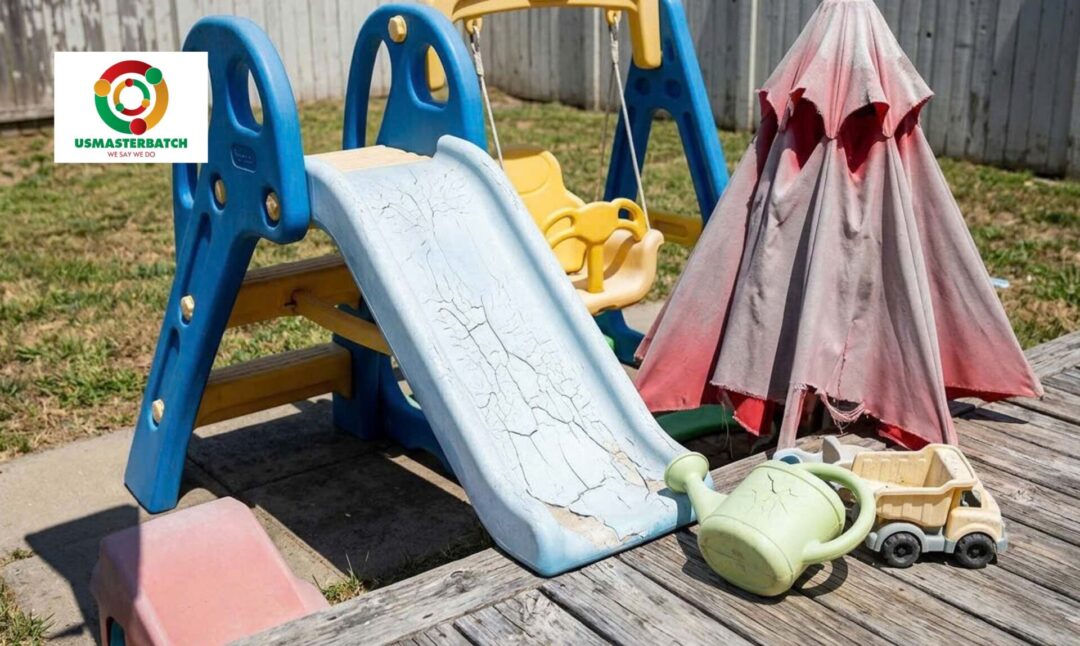
In our modern industrial landscape, plastics are the silent workhorses of global infrastructure. From the high-performance components in aerospace to the resilient furniture on our patios, polymers provide unmatched versatility. However, these materials face a relentless natural adversary: Ultraviolet (UV) Radiation. When exposed to solar radiation, most untreated plastics undergo a destructive process known as photodegradation. This chemical breakdown manifests as “chalking”, severe discoloration, loss of impact resistance, and ultimate structural disintegration. To ensure product longevity and safety, engineers must implement sophisticated UV Plastic Protection strategies. This guide provides an in-depth analysis of UV Plastic Protection methods, the chemistry behind them, and their practical applications.
1. The Molecular Mechanics of UV Degradation
(Illustrative purposes only)
To protect a material, one must first understand how it fails. The sun emits radiation across a broad spectrum, but the UV-A (315 – 400 nm) and UV-B (280 – 315 nm) ranges are the most damaging to polymers.
When a UV photon strikes a plastic surface, it carries sufficient energy to excite the electrons within the polymer’s molecular bonds (C-C, C-H). This excitation leads to the formation of free radicals – highly reactive species with unpaired electrons. These radicals initiate a catastrophic chain reaction:
- Chain Scission: The long polymer backbones are snapped into shorter pieces, reducing the material’s tensile strength.
- Cross-linking: Random bonds form between chains, making the plastic excessively brittle and prone to cracking under the slightest stress.
- Auto-oxidation: The radicals react with atmospheric oxygen to form hydroperoxides, which further accelerate the degradation process.
2. UV Plastic Protection – Internal Defense: Chemical Stabilizers and Additives
The primary line of defense is integrated directly into the polymer resin during compounding. These additives work through distinct chemical pathways to neutralize UV energy.
A. UV Absorbers (UVA)
Think of UV Absorbers as a “chemical shield” or internal sunscreen. These organic compounds have a higher affinity for UV light than the polymer itself. They intercept the radiation and convert it into low-level thermal energy (heat), which is then safely dissipated through the material.
- Key Chemistries: Benzotriazoles, Benzophenones, and Hydroxyphenyl-triazines.
- Best For: Transparent or translucent applications where visual clarity is paramount, such as PC (Polycarbonate) sheets or PET packaging.
B. Hindered Amine Light Stabilizers (HALS)
Unlike absorbers, HALS do not block UV light; they are “radical scavengers”. When UV light inevitably penetrates the material and creates radicals, HALS molecules “trap” these radicals before they can attack the polymer chains.
- The Regenerative Cycle: What makes HALS revolutionary is their ability to regenerate themselves during the stabilization process (the Denisov Cycle). This allows them to provide continuous protection for decades.
- Best For: Polyolefins (PP, PE) used in synthetic turf, automotive interiors, and agricultural films.
C. Quenchers (Excited State Quenchers)
Quenchers act by “taking the hit”. They accept the energy from a polymer molecule that has already been excited by UV light, returning it to its stable ground state before a chemical bond can break. These are often nickel-based organic complexes.
3. Physical Barriers and Pigmentation
Sometimes, the most robust solution is to physically block the light from reaching the molecular structure.
- Carbon Black: This is arguably the most effective UV stabilizer known to man. It acts as both a total UV absorber and a physical screen. By turning the plastic black, it prevents UV rays from penetrating more than a few microns into the surface. It is the gold standard for outdoor pipes, geomembranes, and wire insulation.
- Titanium Dioxide (TiO2): Used for white and light-colored plastics, TiO2 scatters and reflects UV radiation. However, high-quality “rutile” grades must be used, as some forms of TiO2 can actually act as photocatalysts if not properly coated with silica or alumina.
4. UV Plastic Protection – Advanced Surface Protection and Coatings
(Illustrative purposes only)
In many cases, adding stabilizers to the entire bulk of the plastic is not cost-effective. Instead, protection is concentrated at the surface.
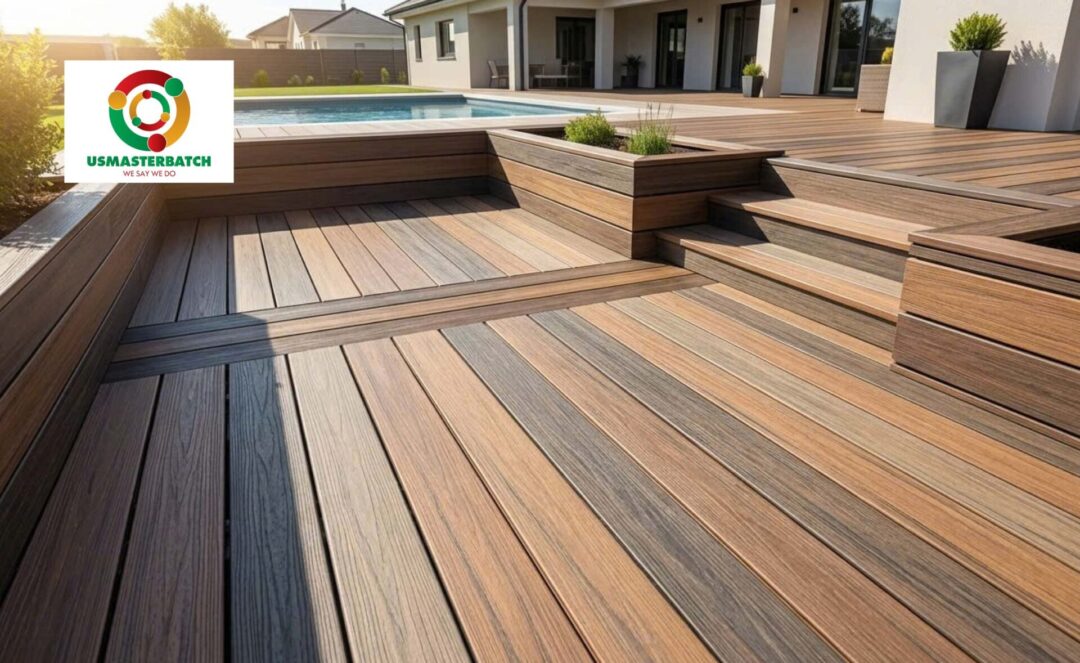
- Co-extrusion (Capping): This involves extruding a thin, highly stabilized “cap stock” layer over a thicker, less expensive core. This is the standard in the construction industry for vinyl siding and wood-plastic composite (WPC) decking.
- UV-Cured Clear Coats: High-end automotive parts and outdoor signage are often finished with an acrylic or polyurethane clear coat infused with high concentrations of UVA and HALS. This provides a sacrificial layer that can be polished or reapplied.
- Vapor Deposition: Metalizing the surface (e.g., chrome plating on plastic) creates a literal mirror that reflects the entire solar spectrum, providing near-perfect UV protection.
5. Industry Standards and Testing
To ensure these methods work, materials must undergo rigorous testing under international standards:
- ASTM G154/G155: Accelerated weathering tests using fluorescent UV lamps or Xenon Arc lamps. These simulate years of sunlight, rain, and heat in a matter of weeks.
- ISO 4892: The international standard for plastics exposure to laboratory light sources.
- Chalking Resistance: Measuring the white, powdery residue that forms on the surface of degraded polymers.
6. Summary: Selecting the Right UV Plastic Protection
| Application | Dominant Plastic | Recommended UV Strategy |
| Outdoor Furniture | PP / HDPE | High-dose HALS + Pigmentation |
| Greenhouse Films | LDPE | HALS + Nickel Quenchers |
| Automotive Trim | ABS / PC | UV Absorbers + Acrylic Coatings |
| Underground Pipes | PVC / PE | Carbon Black (Minimum 2%) |
Conclusion
UV plastic protection is a sophisticated intersection of organic chemistry and material science. As we move toward a “Circular Economy”, extending the lifespan of plastic products through superior UV stabilization is no longer just a technical requirement – it is an environmental imperative. By preventing premature degradation, we reduce plastic waste and the carbon footprint associated with replacing failed infrastructure.
Whether you are a manufacturer selecting a masterbatch or a consumer maintaining outdoor assets, understanding these UV protection methods is the key to ensuring that the materials of today survive the sun of tomorrow.