
Top Leading Black Masterbatch Manufacturers in Southeast Asia
The number of Black masterbatch manufacturers is growing rapidly, creating more choices for customers worldwide. In the high-precision market of polymer engineering, Black Masterbatch is far more than a simple pigment. It is a sophisticated technical compound designed to provide critical functionalities, including UV stabilization, thermal endurance, and mechanical reinforcement. As Southeast Asia solidifies its position as a global manufacturing powerhouse, the selection of a Black Masterbatch supplier has become a strategic decision that directly impacts product longevity and brand reputation.
This article is information about Top Leading Black Masterbatch Manufacturers in Southeast Asia.
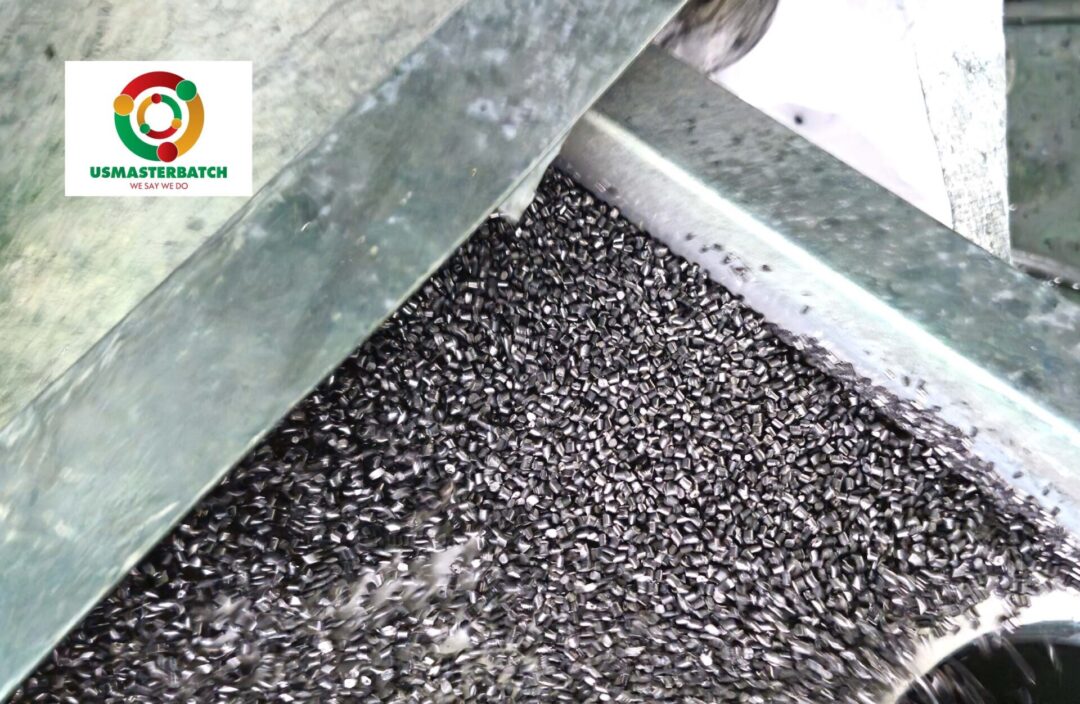
1. The Technical Imperative: Why Quality Matters
The performance of a black masterbatch is primarily dictated by its Carbon Black dispersion. Carbon black particles have a natural tendency to agglomerate; if these clusters are not broken down effectively during the extrusion process, they create microscopic “stress concentrators”. In applications such as high-pressure HDPE pipes or thin-gauge agricultural films, poor dispersion leads to catastrophic mechanical failure or “pinholes”.
A top-tier supplier must ensure that the carbon black is encapsulated within a carrier resin that is perfectly compatible with the end-user’s polymer matrix. This requires not only high-grade raw materials but also advanced compounding technology that can handle high shear forces without degrading the polymer.
2. Strategic Black Masterbatch Manufacturers in the Southeast Asian Hub
Southeast Asia hosts several key players that set the regional benchmarks for quality, capacity, and innovation.
2.1. Cabot Corporation (Indonesia & Malaysia Black Masterbatch Manufacturers)
As the world’s largest producer of carbon black, Cabot possesses a unique advantage in vertical integration. Their Plasblak® series is globally recognized as the industry standard. By controlling the carbon black feedstock, Cabot ensures that their masterbatches offer unmatched consistency in “jetness” (the depth of black) and blue-tone undertones, which are vital for high-end electronics and automotive interiors.
2.2. Avient Corporation (Thailand & Vietnam Black Masterbatch Manufacturers)
Avient focuses on “specialized solutions” rather than commodity volumes. They excel in integrating black masterbatches with other functional additives, such as anti-static or slip agents, specifically for the medical and high-voltage cable sectors. Their regional technical centers allow for rapid prototyping and localized technical support.
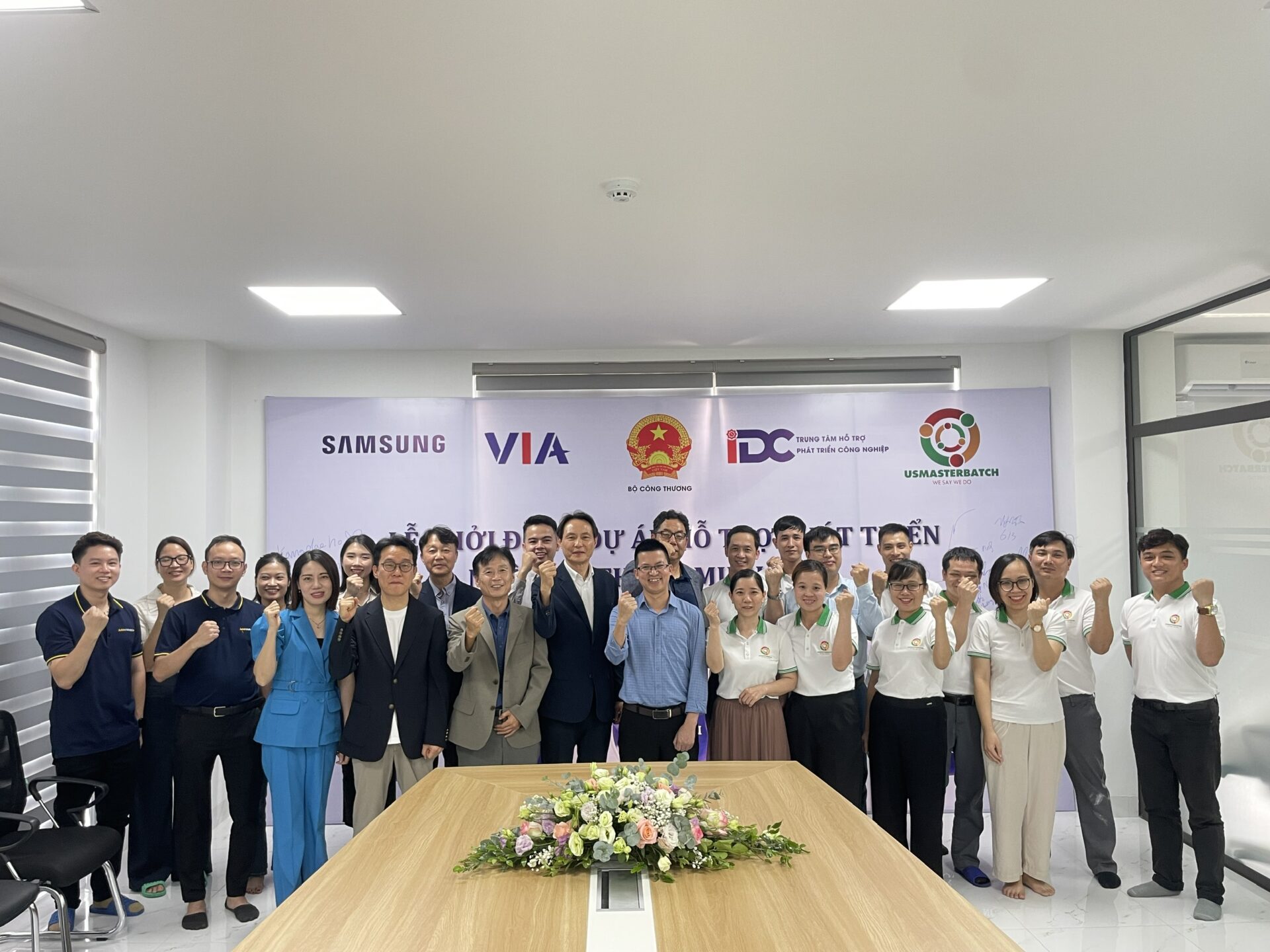
2.3. US Masterbatch JSC (Vietnam Black Masterbatch Manufacturers)
With a massive annual export capacity of 230,000 metric tons, US Masterbatch has emerged as a regional leader by blending high-volume efficiency with rigorous technical standards.
Operating two modern factories near major logistics hubs, the company utilizes Triple Screw Extruder Lines – an advanced technology that provides superior mixing and dispersion compared to standard twin-screw systems. Their UB Series is engineered for diverse applications:
- UB50C & UB40C: High-carbon formulations (40-50%) optimized for the extrusion of pipes and sheets, ensuring exceptional UV protection and surface finish.
- UB30C: Specially designed for LDPE mulch films used in harsh agricultural environments.
- UB35 & UB30: Versatile grades for injection molding and blow molding, including high-durability consumer goods.
2.4. Global Colors (Poli-Eco – Thailand Black Masterbatch Manufacturers)
A member of the Global Colors Group, this supplier is a dominant force in the flexible packaging industry. Their expertise lies in producing masterbatches with extremely high filterability, which is essential for multi-layer barrier films where even the smallest impurity can lead to production downtime.
2.5. Ngai Hing Hong (Malaysia & Singapore Black Masterbatch Manufacturers)
A long-standing player with a focus on custom compounding. They provide high-performance black masterbatches for the household appliance sector, where color consistency and thermal stability during the injection molding process are non-negotiable requirements.
3. Beyond Production: The Role of R&D and Quality Control
In the B2B sector, a supplier’s value is proven in the laboratory before it reaches the production floor. Leading suppliers in the region, such as US Masterbatch, invest heavily in R&D and Quality Control (QC) Centers. These facilities must be equipped with specialized testing devices to simulate real-world processing conditions:
- Melt Flow Index (MFI) Testers: To ensure the masterbatch does not negatively alter the flow properties of the host resin.
- Opacity Testers: To verify that the product achieves full coverage at the lowest possible dosage.
- Tensile & Elongation Testers: To confirm that the addition of carbon black does not embrittle the plastic.
Adherence to international standards like ISO 9001:2015, REACH, and FDA certifications is no longer optional – it is the baseline for participating in the global supply chain.
4. Future Outlook: An Objective Perspective on Regional Growth

The Southeast Asian masterbatch industry is entering a transformative era. The outlook for the next decade is shaped by three objective trends:
First, the Shift to Precision Manufacturing: As global OEMs (Original Equipment Manufacturers) move their supply bases into the ASEAN region, the demand for “commodity” masterbatch is being replaced by a demand for “technical” masterbatch. Suppliers are being forced to innovate in areas like laser-marking functionality and high-heat resistance.
Second, the Sustainability Mandate: The circular economy is the most significant driver of change. There is an increasing push for black masterbatches that are compatible with recycled resins (PCR) or derived from bio-based carriers. Furthermore, the development of “near-infrared (NIR) detectable” black masterbatches – which allow black plastics to be sorted in recycling facilities – will be a key growth segment.
Third, Digitalization of the Supply Chain: Regional leaders are increasingly adopting automated, electronically controlled production systems to eliminate human error. This transition ensures that the technical specifications of a batch produced today will be identical to one produced a year from now, providing the reliability that global B2B buyers demand.
In conclusion, the Southeast Asian market has matured into a center of excellence for polymer additives. While competition is fierce among established giants and rising leaders, the ultimate winners will be those who prioritize technical integrity and environmental stewardship over sheer volume. Choosing high-quality Black Masterbatch Manufacturers helps businesses ensure product quality, especially color, in compliance with global standards.