Top Global Suppliers of Plastic Packaging for Clothes
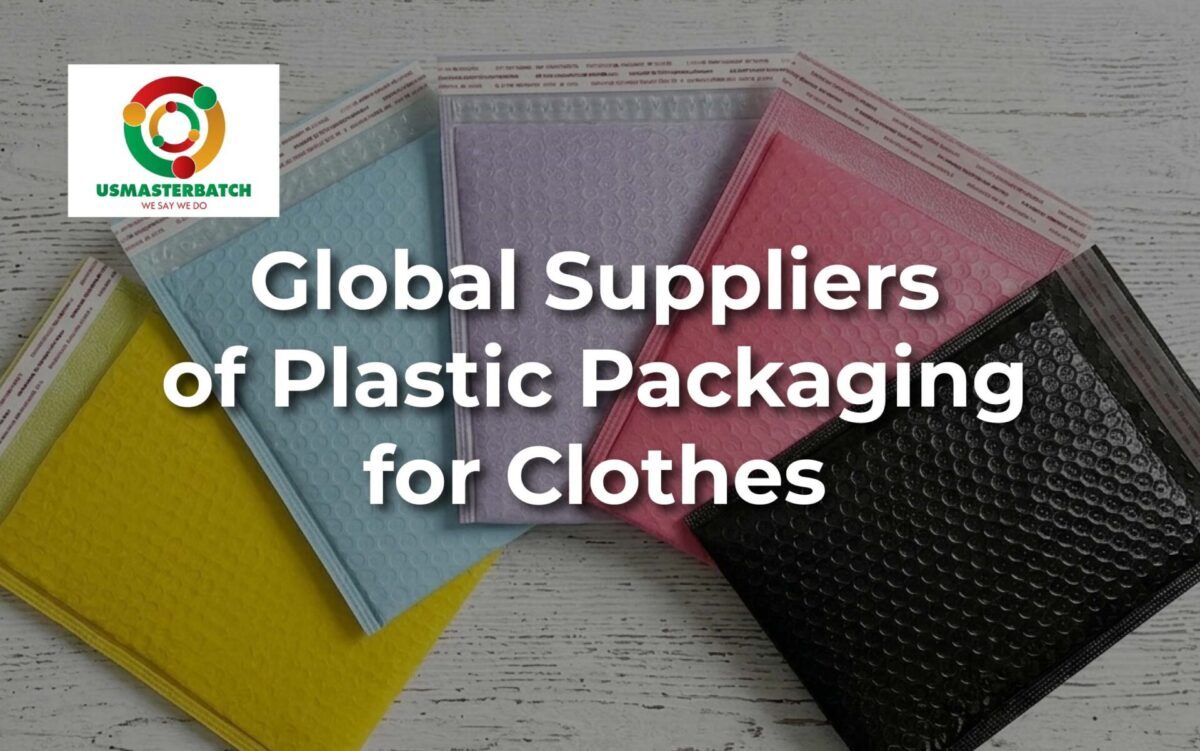
[US Masterbatch] Plastic packaging for clothes is an essential component of the apparel industry, one of the largest consumers of flexible plastic packaging. From high-end luxury garments to fast-fashion basics, plastic packaging serves as a critical shield against moisture, dust, and damage during transit. For businesses looking to source high-quality, durable, and increasingly sustainable solutions, choosing the right supplier is paramount.
Below is an in-depth guide to the top suppliers and the evolving landscape of plastic packaging for clothes.
Why Quality Plastic Packaging for Clothes Matters in Fashion
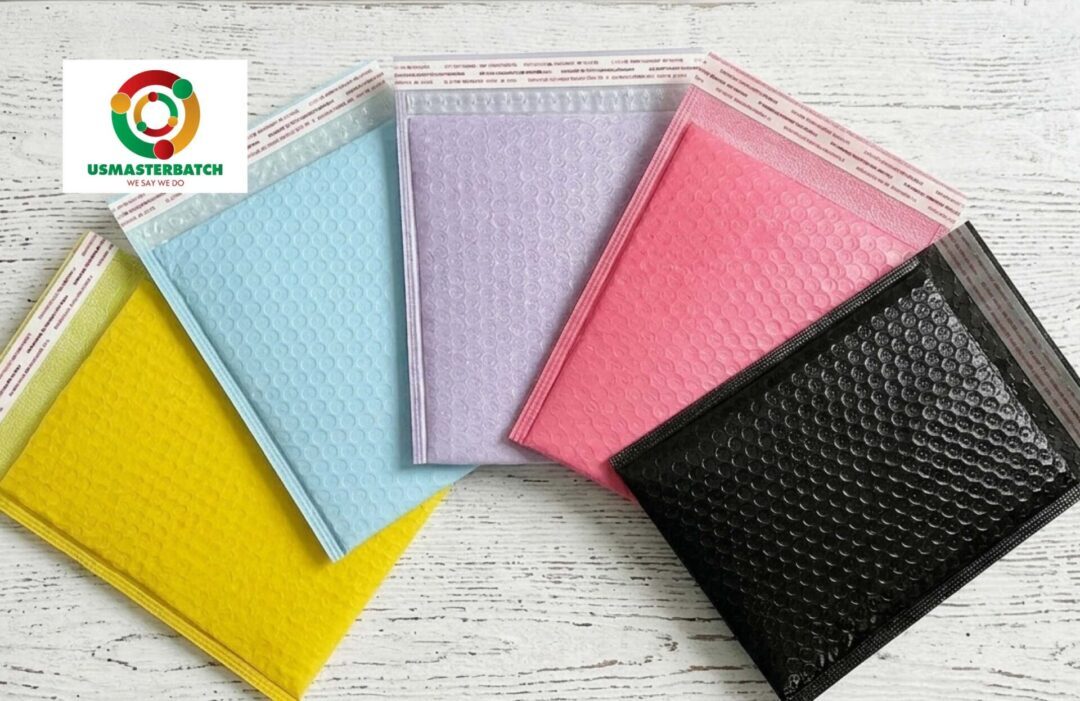
(Illustration purpose only)
In the world of logistics, a garment’s journey from the factory to the end consumer is fraught with risks. Plastic packaging for clothes – primarily in the form of polybags – is the industry standard for several reasons:
Protection: It provides a waterproof barrier against humidity and rain.
Clarity: Clear LDPE or PP bags allow for easy SKU scanning and visual inspection without opening the package.
Cost-Efficiency: It is lightweight, reducing shipping costs compared to rigid alternatives.
Security: Tamper-evident seals ensure the product reaches the customer as intended.
Leading Global Suppliers of Plastic Packaging for Clothes
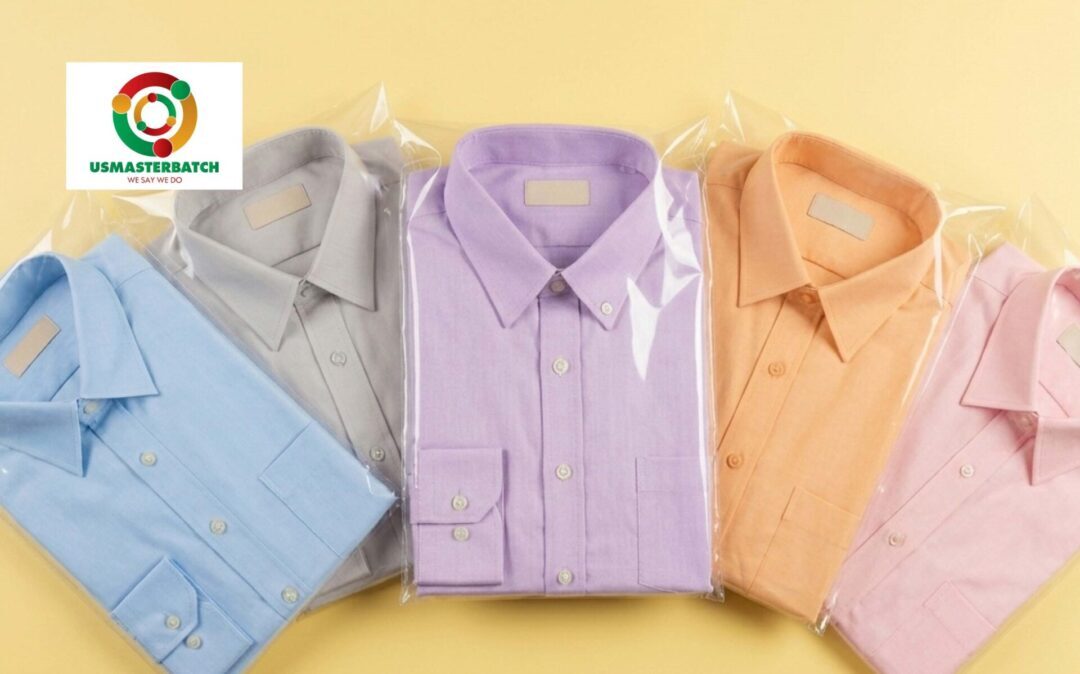
(Illustration purpose only)
1. Mainetti
Headquartered in Italy but with a massive global footprint, Mainetti is perhaps the most recognized name in garment hangers and packaging. They have pivoted strongly toward the “MainettiCare” initiative, focusing on circular economy solutions.
Specialty: High-clarity polybags, recycled content bags, and integrated branding solutions.
Why choose them: Their global distribution network ensures consistency for brands manufacturing in multiple countries.
2. Avery Dennison
While famous for labels and tags, Avery Dennison is a powerhouse in holistic packaging solutions. They focus heavily on the “intelligent” side of packaging, integrating RFID technology with plastic sleeves for clothing logistics.
Specialty: Sustainable plastic films and performance-grade shipping mailers.
Why choose them: Ideal for brands that want to merge physical packaging with digital inventory tracking.
3. Smurfit Kappa (Flexible Division)
Though widely known for paper, Smurfit Kappa’s flexible packaging division produces high-performance films used by major European retailers for garment packaging needs.
Specialty: E-commerce mailers and protective films.
Why choose them: Exceptional R&D in reducing the thickness (microns) of plastic without sacrificing strength.
4. Berry Global
As one of the world’s largest plastic manufacturers, Berry Global provides the scale needed for massive retail chains. They offer a vast array of LDPE (Low-Density Polyethylene) and HDPE (High-Density Polyethylene) products.
Specialty: Mass-produced polybags and industrial-strength shipping sacks.
Why choose them: Competitive pricing for high-volume orders.
5. International Plastics (Interplas)
Based in the US, Interplas is a go-to for custom-printed plastic bags used in apparel packaging. They cater to both small boutiques and large corporations.
Specialty: Recloseable zipper bags, suffocation warning bags, and custom-branded poly mailers.
Why choose them: High degree of customization and quick turnaround times.
Sustainable Plastic Packaging for Clothes: PCR and Compostables
The modern fashion consumer is increasingly eco-conscious. Consequently, plastic packaging for clothes has branched into two major sustainable categories:
Post-Consumer Recycled (PCR) Plastics
Many suppliers now offer bags made from 50% to 100% PCR content. This takes existing plastic waste out of the environment and reprocesses it into new packaging. It maintains the durability of virgin plastic while significantly lowering the carbon footprint.
Compostable Bio-Plastics
Suppliers like TIPA and Better Packaging Co. are leading the way in “plastic-like” materials made from cornstarch or other bio-polymers. These are designed to break down in industrial or home composting environments.
Note: While compostables sound ideal, they require specific disposal conditions. Many brands are finding that recycled LDPE is currently a more practical choice for global circularity.
Key Technical Specifications for Plastic Packaging for Clothes
When contacting a supplier, you should be prepared with the following technical requirements:
| Feature | Description | Common Standard |
| Material | The type of resin used. | LDPE, HDPE, PP, or Compostable |
| Thickness | Measured in Microns or Mil. | 30-50 Microns for inner bags; 60+ for mailers |
| Closure | How the bag seals. | Resealable tape, Permanent tape, or Slider zipper |
| Ventilation | Air holes to prevent mold and reduce bulk. | Punched vent holes |
| Safety | Legal requirement for many regions. | Printed Suffocation Warnings in multiple languages |
Sourcing Plastic Packaging for Clothes from Vietnam: A Growing Hub
For brands manufacturing in Southeast Asia, sourcing packaging locally in Vietnam is highly efficient. Vietnam has seen a surge in high-tech plastic manufacturing firms that meet international ISO standards. Local suppliers often offer lower lead times for factories located in the region, reducing the environmental impact of transporting the packaging itself.
Tips for Sourcing:
- Request Certifications: Look for GRS (Global Recycled Standard) if you are buying recycled plastic.
- Samples are Mandatory: Always test the “slip” of the plastic (how easily the clothes slide in) and the strength of the side seals.
Conclusion: Choosing Plastic Packaging for Clothes Suppliers
Selecting a plastic packaging supplier for clothes is no longer just about finding the cheapest bag. It’s about balancing product protection, logistical efficiency, and environmental responsibility. Whether you partner with a global giant like Mainetti or a specialized sustainable firm like TIPA, ensure your packaging reflects your brand’s values and protects your garment’s journey from the sewing machine to the customer’s closet.
As the industry moves toward 2030, expect to see even more innovation in monomaterial plastics that are 100% recyclable, ensuring that while the packaging is plastic, it never becomes waste