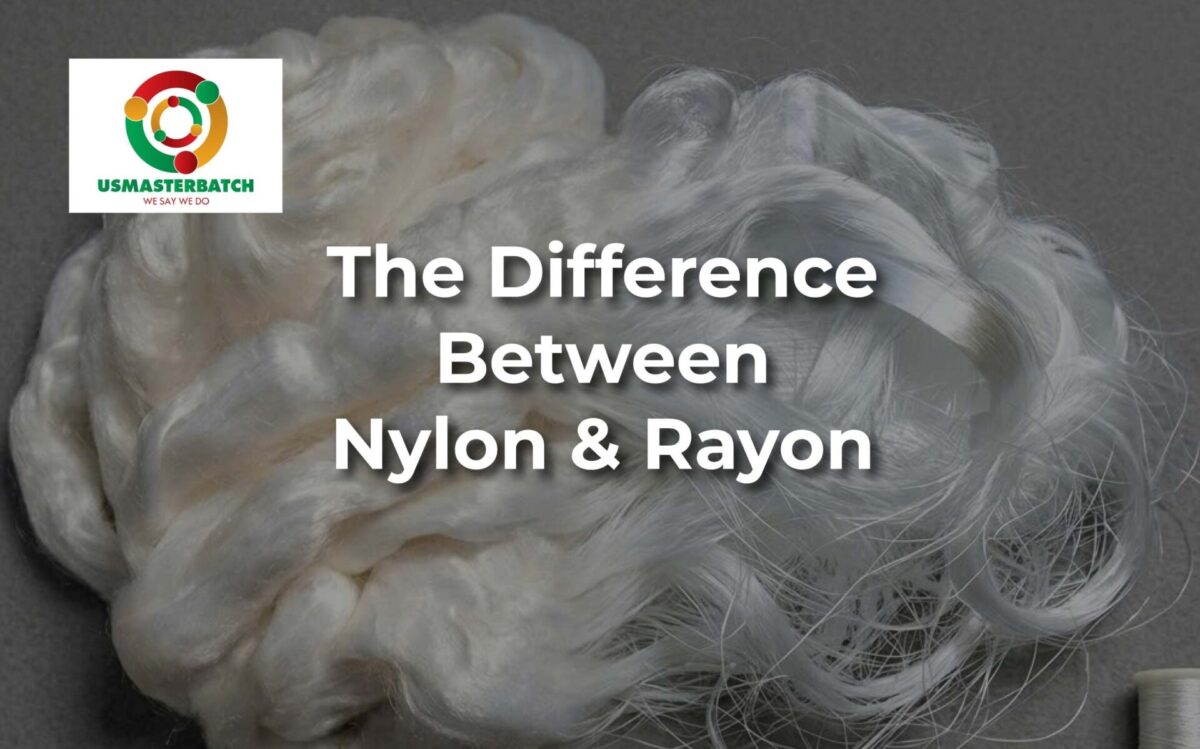
The Difference Between Nylon and Rayon
[US Masterbatch] In the modern textile and polymer materials industry, Nylon and Rayon are two widely used fibers thanks to their versatility and ability to meet various manufacturing needs. However, although both are commonly used in products such as clothing, industrial fabrics, ropes, carpets, and technical materials, Nylon and Rayon are fundamentally different in their material nature.
The article below provides a detailed analysis of the differences between Nylon and Rayon from both technical and practical application perspectives, helping material buyers choose the most suitable option for their production needs.
1. What is Nylon?
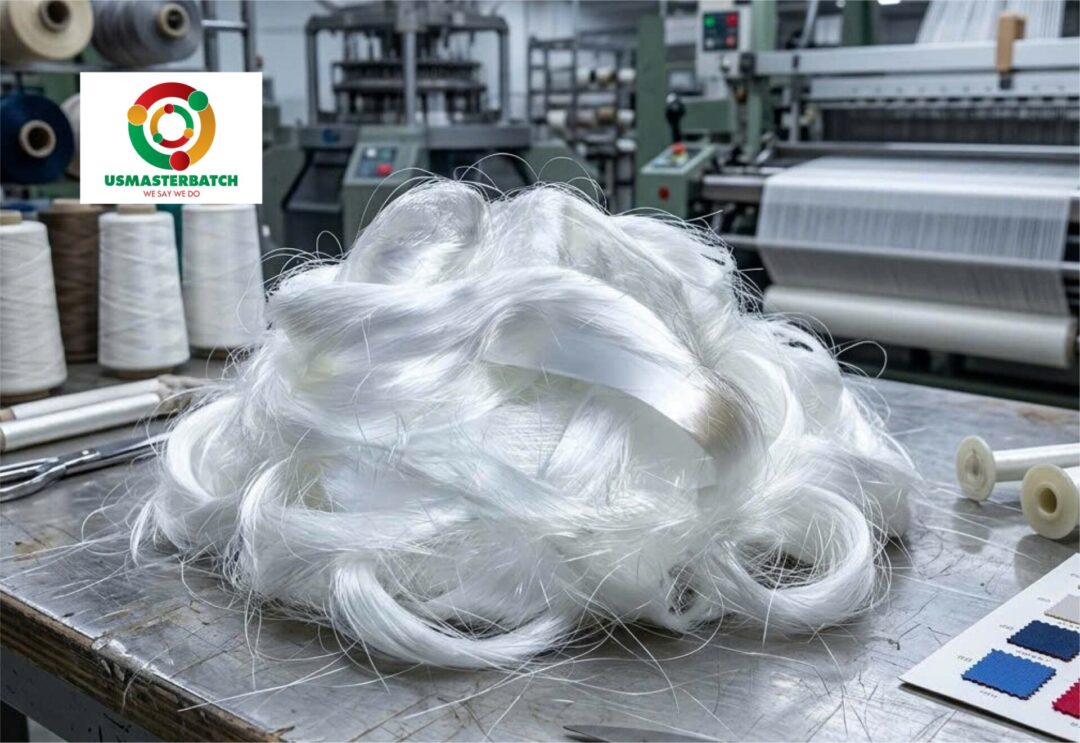
(Illustrative purposes only)
1.1 Definition
Nylon is a synthetic polymer belonging to the polyamide family, first developed in the 1930s and quickly becoming one of the most important synthetic fibers in modern industry.
Nylon is produced through the chemical polymerization of petroleum-based monomers, forming long polymer chains with high mechanical strength. The most common types used in the textile industry are Nylon 6 and Nylon 6,6.
Thanks to its stable molecular structure, Nylon can be spun into very fine fibers while still maintaining excellent tensile strength and elasticity, something many natural fibers cannot achieve.
1.2 Characteristics of Nylon
Nylon is considered one of the high-performance technical fibers due to the following key properties:
High Mechanical Strength
Nylon has excellent tensile strength and abrasion resistance, allowing the material to maintain structural integrity even under strong tension or continuous friction.
Because of this, Nylon is widely used in:
- Parachute cords
- Fishing nets
- Safety belts
- Sportswear fabrics
- Engineering components
Good Elasticity
Nylon fibers can stretch and quickly return to their original shape, which helps Nylon fabrics resist wrinkling and maintain good recovery after stretching.
Excellent Abrasion Resistance
Compared with many other fibers, Nylon offers superior resistance to wear and abrasion, making it suitable for products that require long-term durability.
Low Moisture Absorption
One notable characteristic of Nylon is its low moisture absorption, typically around 3–4%. This allows Nylon to dry quickly, although it does not absorb sweat as effectively as some natural fibers.
Resistance to Chemicals and Mold
Nylon has good resistance to various chemicals, oils, and mold, which helps increase product lifespan in demanding environments.
2. What is Rayon?
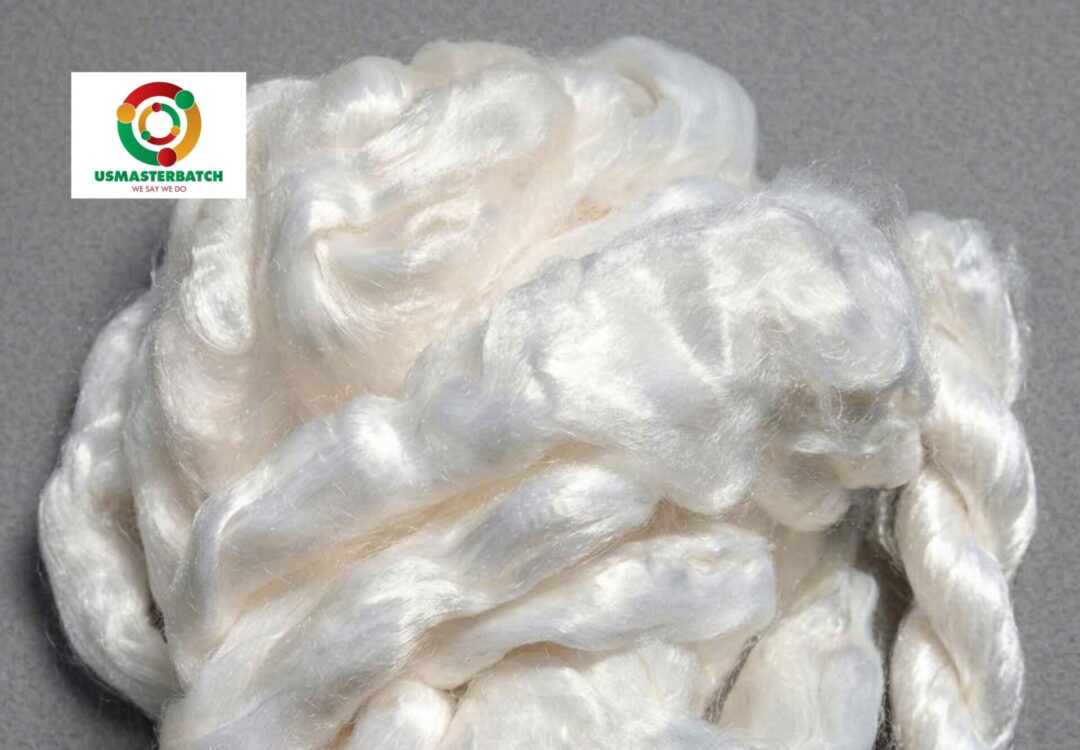
(Illustrative purposes only)
2.1 Definition of Rayon
Rayon is a semi-synthetic fiber produced from natural cellulose, usually extracted from wood pulp or other plant-based materials.
The production process of Rayon generally includes:
- Extracting cellulose from natural raw materials
- Dissolving cellulose using chemical solvents
- Spinning the solution into filaments
Because it originates from cellulose, Rayon is often considered a man-made fiber with properties similar to natural fibers.
Rayon is also known as “artificial silk” due to its softness and elegant drape.
2.2 Characteristics of Rayon
Rayon possesses many properties similar to natural fibers such as cotton or silk, making it a popular material in the fashion industry.
High Softness
Rayon is known for its smooth surface and soft texture, providing a comfortable feeling when in contact with the skin.
Excellent Moisture Absorption
Rayon has very high moisture absorption, sometimes even better than cotton in certain conditions.
For this reason, Rayon is often used in:
- Summer clothing
- Breathable garments
- Fabric linings
Good Dyeing Ability
Due to its cellulose structure, Rayon absorbs dyes easily, allowing manufacturers to produce fabrics with bright and vibrant colors.
Excellent Drapability
Rayon has natural draping properties, allowing fabrics to fall smoothly and create elegant shapes for garments.
Lower Strength When Wet
One disadvantage of Rayon is that its strength decreases significantly when wet, making the material more prone to stretching or deformation if not handled properly.
3. The Difference Between Nylon and Rayon
Although Nylon and Rayon are both industrial fibers, they differ significantly in origin, physical properties, performance, and environmental impact.
3.1 Raw Material Origin
Nylon
- Fully synthetic fiber
- Produced from petrochemicals
- Not derived from biological sources
Rayon
- Semi-synthetic fiber
- Derived from natural cellulose (wood pulp)
Conclusion: Rayon has a more natural origin, while Nylon is a fully synthetic polymer material.
3.2 Physical Properties
Nylon
- Smooth surface
- Lightweight
- Strong
- High load-bearing capacity
Rayon
- Soft texture
- Natural drape
- Silk-like or cotton-like feel
Rayon is more suitable for fashion applications, while Nylon is commonly used in technical and performance products.
3.3 Durability
Nylon
- Very high tensile strength
- Excellent abrasion resistance
- Long service life
Rayon
- Lower durability
- Particularly weak when wet
3.4 Moisture Absorption
Nylon
- Low moisture absorption
- Quick drying
Rayon
- Very high moisture absorption
- Provides a cool and breathable feeling
3.5 Elasticity
Nylon
- Highly elastic
- Excellent shape recovery
Rayon
- Low elasticity
- Easily stretched under strong tension
3.6 Dyeing Capability
Nylon
- Can be dyed but requires specialized dyes
Rayon
- Excellent dye absorption
- Produces bright and vibrant colors
3.7 Heat Resistance
Nylon
- Melting temperature around 220–265°C
- Can deform at high temperatures
Rayon
- Does not melt but burns similarly to cellulose
3.8 Environmental Impact
Nylon
- Produced from fossil resources
- Difficult to biodegrade
- May generate microplastics
Rayon
- Derived from natural cellulose
- Generally more biodegradable
However, traditional Rayon production may involve toxic chemicals, so modern processing technologies are required to reduce environmental impact.
4. Practical Applications of Nylon and Rayon
Applications of Nylon
Nylon is widely used in industries such as:
- Sportswear fabrics
- Swimwear
- Parachute chords
- Industrial nets
- Carpets
- Engineering plastic components
Thanks to its durability and abrasion resistance, Nylon is particularly suitable for applications that require high performance.
Applications of Rayon
Rayon is commonly used in:
- Premium fashion garments
- Shirts
- Dresses
- Fabric linings
- Scarves
- Summer clothing
Because of its softness and excellent moisture absorption, Rayon provides a comfortable wearing experience.
Conclusion
Although Nylon and Rayon are both important fibers in the textile industry, they serve very different purposes.
- Nylon is a strong synthetic fiber suitable for technical applications and products requiring high durability.
- Rayon is a semi-synthetic fiber derived from cellulose, known for its softness and moisture absorption, making it ideal for fashion and consumer products.
For manufacturers and material buyers, understanding the differences between Nylon and Rayon can help optimize product performance, control production costs, and select materials that best meet technical requirements as well as sustainability goals.