
The Benefits of Anti Fog Additives in the Plastic Packaging Industry
[US Masterbatch] In the modern plastic packaging industry, maintaining product visibility and quality is essential. Consumers expect clear packaging that allows them to easily see the product inside, especially for fresh food items such as vegetables, fruits, meat, and ready-to-eat meals. One of the most effective solutions to prevent condensation and maintain transparency is the use of anti fog additives. These Anti fog additives play a critical role in improving packaging performance, extending shelf life, and enhancing consumer satisfaction.
What Are Anti Fog Additives?
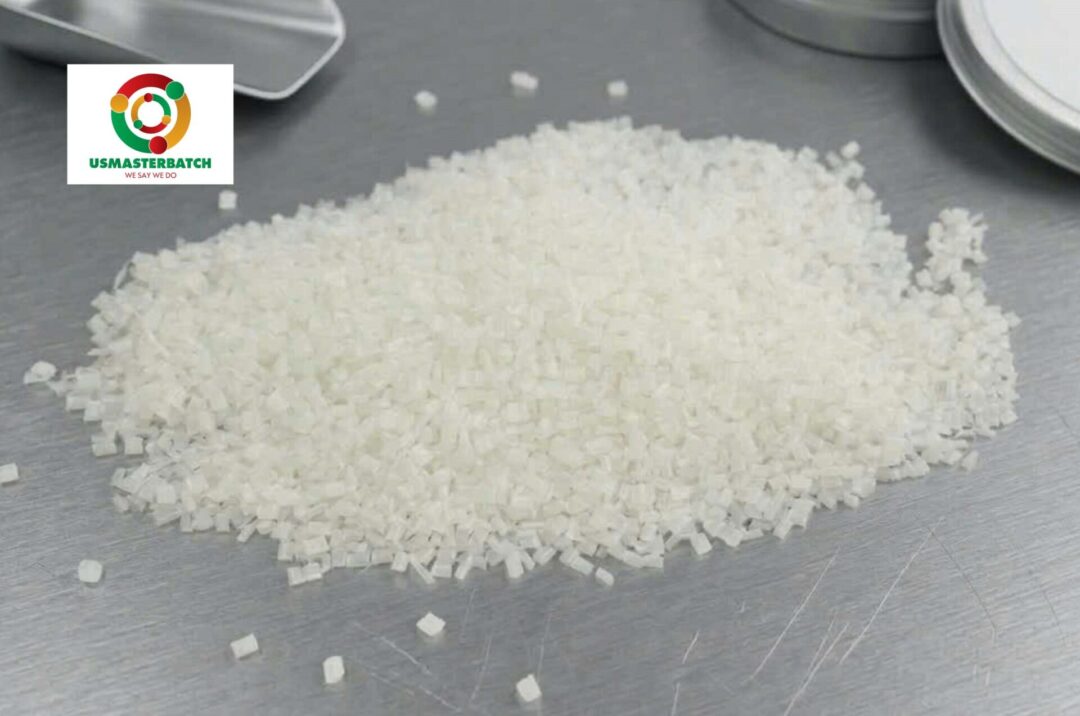
Anti fog additives are specialized agents incorporated into plastic materials such as PE, PP, PET, and PVC during the production process. Their main function is to prevent the formation of water droplets on the inner surface of plastic films or containers.
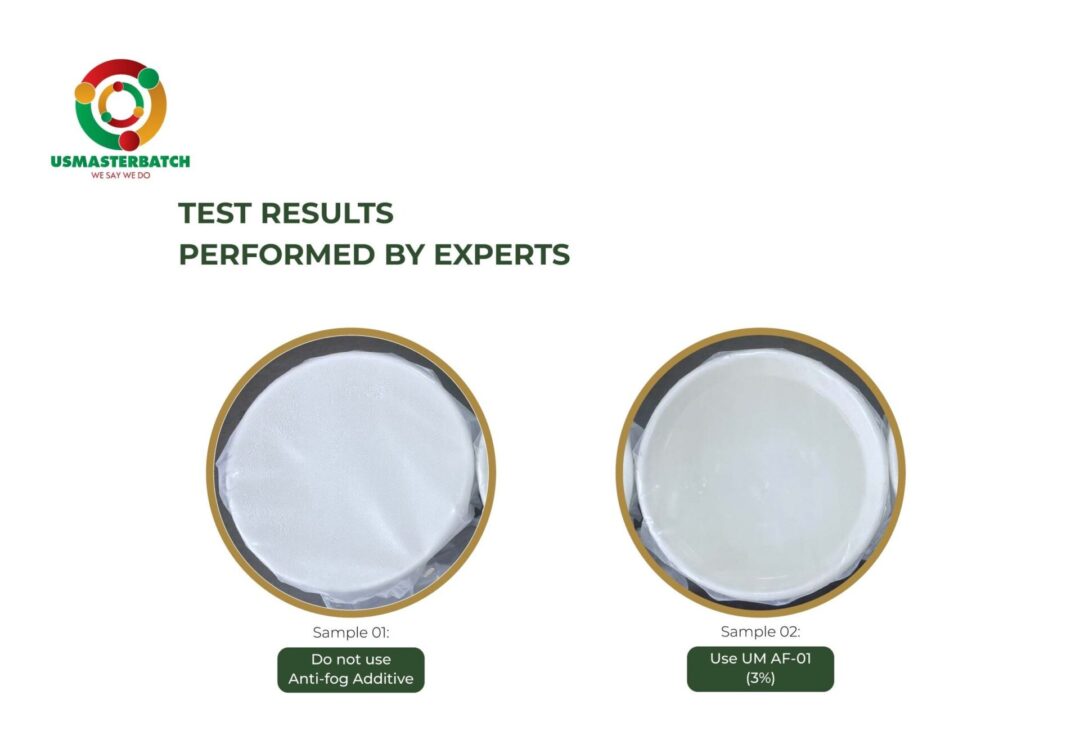
When temperature differences occur between the inside and outside of packaging — especially in refrigerated environments — moisture can condense and form fog. This fog reduces visibility and negatively affects product presentation. They work by reducing surface tension, allowing water to spread evenly into a thin transparent layer instead of forming visible droplets.
- Improved Product Visibility
One of the most important benefits of these additives is enhanced transparency. Clear packaging is particularly important in the food industry, where customers rely on visual inspection before making purchasing decisions.
By preventing fog formation, they ensure that the product remains clearly visible throughout transportation, storage, and display. This improves product appeal on retail shelves and increases consumer confidence.
- Extended Shelf Life
Condensation inside packaging can create a humid environment that encourages bacterial growth and accelerates food spoilage. Anti fog additives help minimize water droplet formation, reducing excess moisture inside the packaging.
By maintaining a more stable internal environment, these additives contribute to extending the shelf life of perishable products. This is especially beneficial for fresh produce, meat packaging, and ready-made meals stored in refrigerated conditions.
- Enhanced Food Safety and Hygiene
Food safety is a top priority in the packaging industry. Excess moisture not only reduces visibility but may also lead to contamination risks. Anti fog additives help maintain a clean and dry appearance, reducing the potential for microbial growth.
As a result, manufacturers can meet higher hygiene standards while ensuring safer packaging solutions for consumers.
- Better Consumer Experience
Modern consumers value convenience and quality. Foggy packaging may create a negative impression and reduce trust in the product. In contrast, clear and transparent packaging enhances the overall shopping experience.
Anti fog additives help brands maintain a premium appearance and strengthen brand image. When customers can clearly see fresh and attractive products, they are more likely to make a purchase.
- Compatibility with Various Plastic Materials
Another significant advantage of anti fog additives is their versatility. They can be used in different types of plastic materials, including:
- Polyethylene (PE)
- Polypropylene (PP)
- Polyethylene terephthalate (PET)
- PVC films
They are widely applied in cling films, agricultural films, thermoformed containers, and food trays. This flexibility makes anti fog additives an essential component in modern packaging production.
- Cost-Effective Solution
Although anti fog additives represent an additional material cost, they provide long-term economic benefits. By improving product shelf life and reducing spoilage rates, businesses can minimize product returns and waste.
Furthermore, improved packaging performance can lead to stronger brand loyalty and increased sales. From a business perspective, they offer a high return on investment.
- Support for Sustainable Packaging
With growing environmental concerns, the packaging industry is moving toward more sustainable solutions. Anti fog additives can contribute to sustainability by reducing food waste. When products stay fresh longer and remain visually appealing, fewer items are discarded.
In addition, many modern anti fog formulations are designed to be safe, compliant with food-contact regulations, and compatible with recyclable plastic materials.
Conclusion
Anti fog additives play a crucial role in the plastic packaging industry by enhancing transparency, extending shelf life, improving food safety, and strengthening brand image. They offer a practical and cost-effective solution for preventing condensation in food packaging applications.
As consumer expectations continue to rise, the demand for high-performance and reliable packaging materials will also increase. By integrating these additives into plastic packaging production, manufacturers can deliver higher quality products and gain a competitive advantage in the global market.
For companies seeking to improve packaging performance and customer satisfaction, they are not just an option — they are a necessity in today’s competitive industry.