PVC Heat Stabilizers – Applications in Industry
[US Masterbatch] PVC heat stabilizers are essential additives used to enhance the thermal stability and durability of polyvinyl chloride materials. These stabilizers play a key role in preventing degradation during processing and long-term use. This article provides a comprehensive overview of PVC heat stabilizers, including their classification, functions, applications, and selection criteria.
-
Definition of PVC Heat Stabilizers
- Polyvinyl chloride (PVC) is a widely used polymer across many industries due to its high flexibility, good processability, diverse applications, and cost-effectiveness. However, as a thermally sensitive polymer, PVC can easily degrade in terms of durability and mechanical properties when exposed to heat, light, oil, or chemicals, creating challenges in processing and long-term performance and necessitating the use of effective PVC heat stabilizer solutions.
- To overcome this limitation, PVC heat stabilizers play a crucial role. They help inhibit the degradation of polyvinyl chloride, slow down undesirable changes in structure and color, and thereby extend the service life and improve the performance of PVC products. When exposed to harsh environmental conditions or high temperatures for long periods, PVC is highly prone to aging, and stabilizers are the key factor in protecting the material from these effects.
-
Classification of Heat Stabilizers
PVC heat stabilizers are categorized into various groups, including lead-based, tin-based, and Ca/Zn-based stabilizers. The selection of an appropriate stabilizer depends on the product’s application, working environment, and processing technology.
Some common stabilizer groups include:
- Tin-based stabilizers
- Lead-based stabilizers
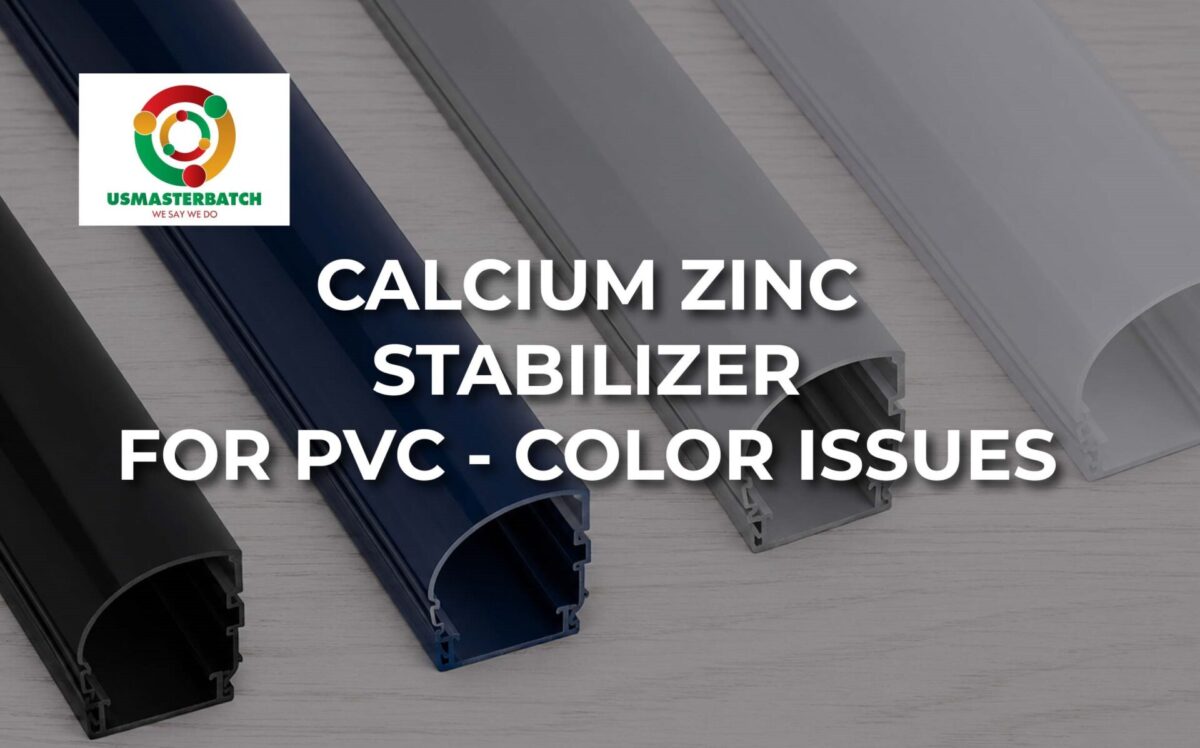
- Calcium-Zinc (Ca/Zn) stabilizers
- Organic stabilizers
-
Role of Stabilizers
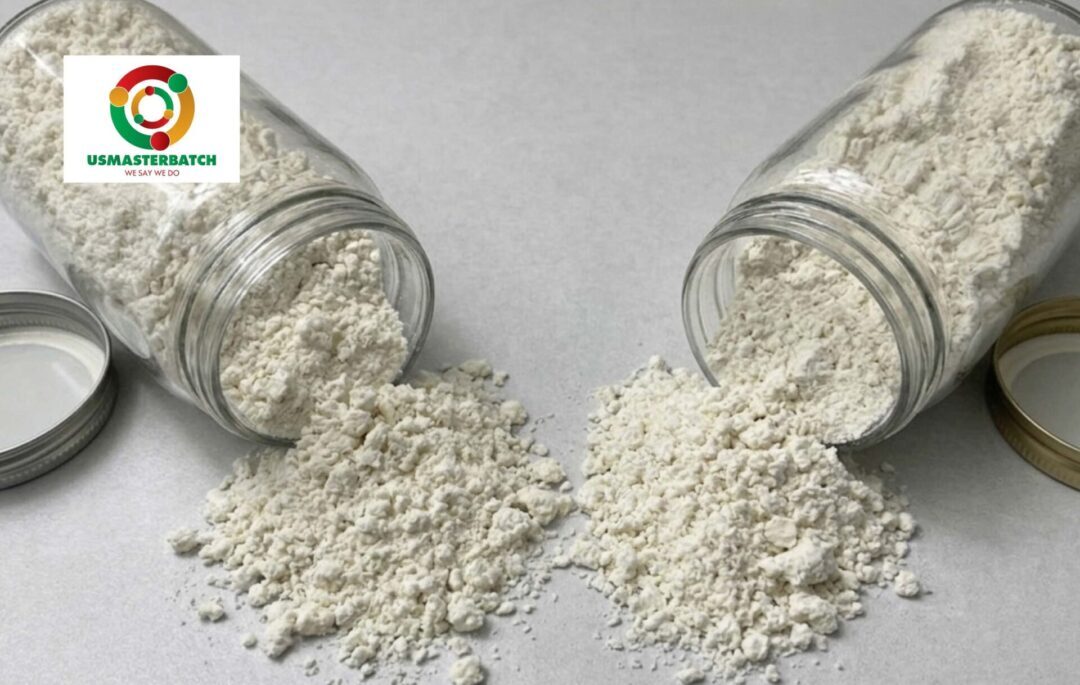
(Illustrative purpose only)
When PVC is heated to around 170°C, hydrogen and chlorine are eliminated. Decomposition begins, leading to the release of HCl (autocatalytic dehydrochlorination). Unstable molecular structures (allylic chlorine structures) are formed, which further accelerate HCl loss. This creates a chain reaction.
Therefore, the PVC heat stabilizers play a critical role in improving the heat resistance of PVC compounds. Their purpose is to protect vinyl products at every stage. To prevent degradation, heat stabilizers function by:
- Neutralizing hydrogen chloride (HCl)
- Replacing weakened carbon–chlorine bonds
- Preventing oxidation
-
Applications of Heat Stabilizers
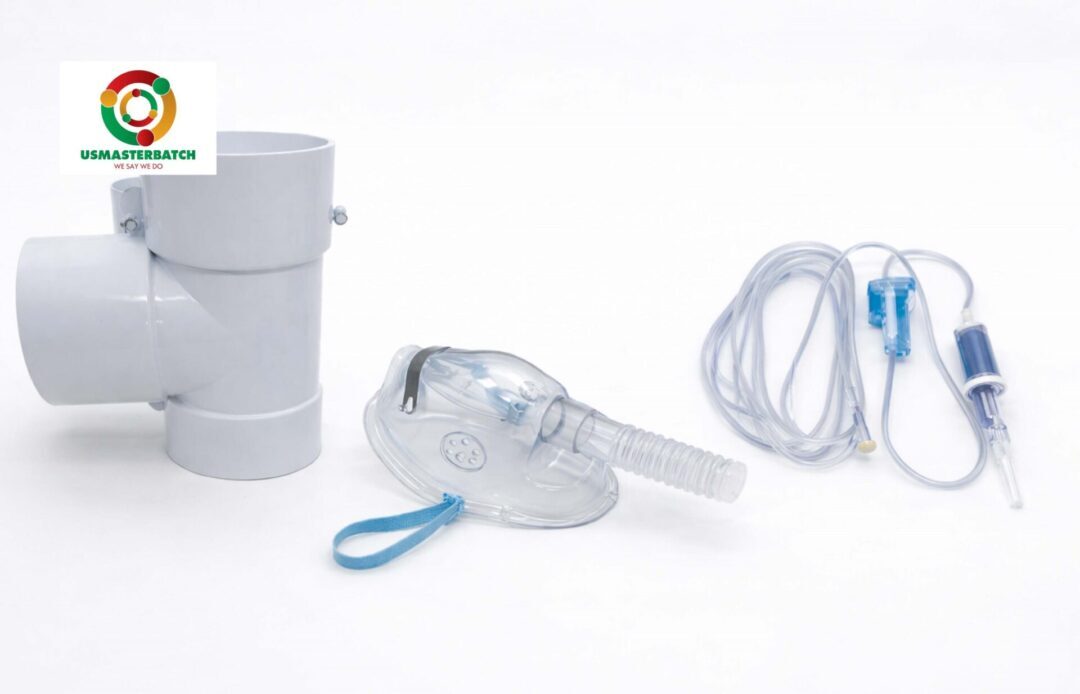
- Construction (largest PVC consumption market):
- Manufacturers use Ca/Zn stabilizers in PVC pipes for drainage and pressure applications due to their safety and thermal stability.
- Profiles and plastic doors: Require weather resistance; often combined with TiO₂ to enhance UV reflection.
- PVC laminates: Ensure good adhesion of decorative films and heat resistance during high-frequency pressing.
- Electrical & Electronics (largest application for flexible PVC):
PVC wires and cables operating at 70°C–105°C require long-term insulation stability. - Outdoor products:
Manufacturers design waterproof membranes, tarpaulins, and roofing sheets to withstand strong UV exposure; they often incorporate UV additives to prevent chalking and surface aging.
Medical devices and supplies:
Manufacturers produce IV bags and medical tubing with non-toxic and highly transparent materials; they use organic or Ca-Zn stabilizers that meet strict medical standards.Packaging materials:
Manufacturers develop food wrap films and PVC bottles using lead-free formulations; they prefer organotin stabilizers for their excellent color retention.Footwear and textiles:
Manufacturers produce shoe soles, rain boots, and synthetic leather with high flexibility; they commonly use liquid Ba/Zn or Ca/Zn stabilizers to improve compatibility with plasticized PVC. - Automotive components:
Used in artificial leather and interior mats; require low volatility (low fogging), odorless properties, and no windshield haze formation.
-
Selection of Heat Stabilizers
The selection of PVC stabilizers mainly depends on the final application (rigid or flexible), transparency requirements, weather resistance, and environmental safety regulations. In particular, the choice of PVC heat stabilizer solutions must align with specific processing conditions and end-use performance requirements. PVC is inherently thermally unstable and begins to degrade at temperatures above 100°C, highlighting the critical importance of thermal stabilization in maintaining material integrity and long-term durability.
- Calcium-Zinc (Ca-Zn) system:
An environmentally friendly, non-toxic solution gradually replacing lead-based systems.- Advantages: Safe for food contact, children’s toys, and medical devices.
- Applications: Drinking water pipes, window profiles, electrical cables, and food packaging.
- Organotin stabilizers:
Considered the most effective in terms of thermal performance.- Advantages: Provide उत्कृष्ट transparency and excellent color retention.
- Applications: Shrink films, transparent PVC sheets, bottles, and high-aesthetic products.
- Lead-based stabilizers:
Previously an industry standard due to cost efficiency and excellent heat stability.- Advantages: Superior electrical and mechanical properties.
- Limitations: Being phased out in many regions (e.g., EU) due to toxicity and environmental concerns.
- Barium-Zinc (Ba-Zn) system:
Commonly used for flexible PVC applications.- Advantages: Good weather resistance and color stability during processing.
- Applications: Artificial leather, flooring, and flexible films.
-
Our Ca/Zn Stabilizer Products
In conclusion, as part of our commitment to sustainable development in the PVC industry, we have made significant investments in the development of non-toxic stabilizers and environmentally friendly additives. We offer a diverse portfolio of customized PVC heat stabilizer solutions for applications. These lead-free stabilizers are free from heavy metals and are designed to deliver high performance and long-term durability.
Above all, calcium-based stabilizers, particularly Ca/Zn systems, represent a new generation that is gaining increasing attention in the global PVC market. Supported by strong domestic innovation capabilities and a commitment to sustainability, we have developed high-performance stabilizer solutions with superior competitive advantages.