
PVC Compound Suppliers in Southeast Asia
PVC compound is one of the most widely used materials in modern manufacturing. It plays a critical role in industries such as wire and cable, plastic pipes, construction materials, medical devices, footwear, and consumer products. By adjusting the formulation with different additives, PVC compounds can be tailored to achieve specific properties including flexibility, durability, flame resistance, insulation performance, and chemical resistance.
Over the past decade, Southeast Asia has emerged as a significant hub for plastic manufacturing. The region benefits from competitive production costs, growing industrial infrastructure, and increasing foreign investment in manufacturing. As industries such as construction, electrical infrastructure, automotive, and consumer goods expand across the region, the demand for PVC compound continues to rise steadily.
Today, many PVC compound manufacturers operate across Southeast Asia, supplying both domestic markets and international customers. The following sections highlight several notable suppliers in the region.
PVC Compound Manufacturers in Vietnam
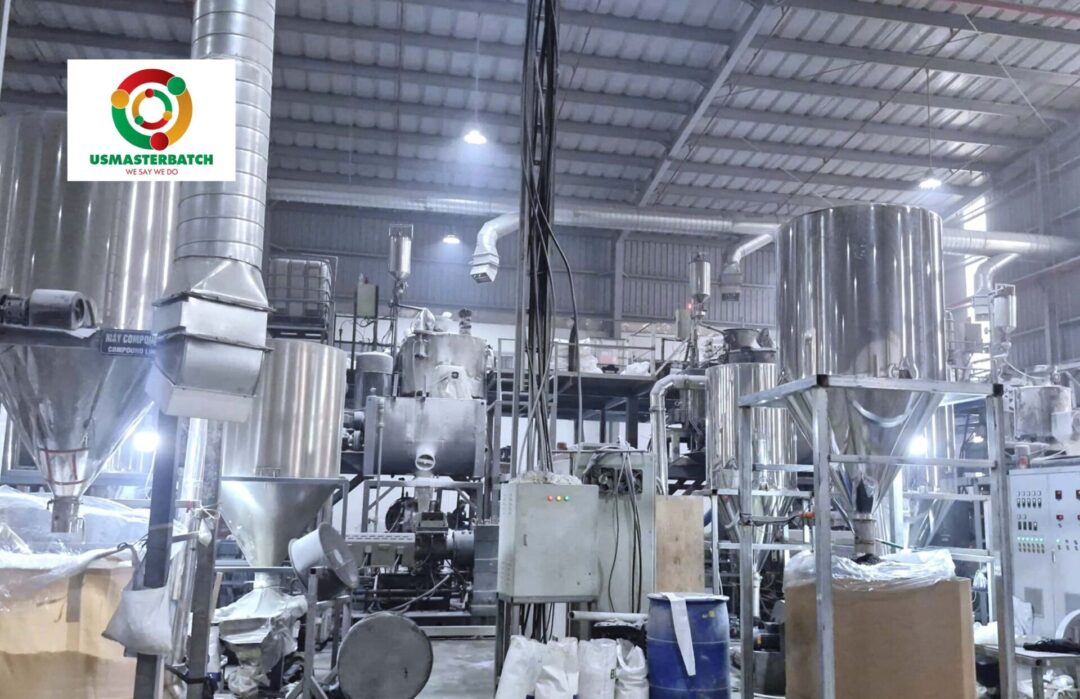
Vietnam has become one of the fastest-growing plastic manufacturing centers in Southeast Asia. The expansion of industries such as electrical cable production, pipe manufacturing, and construction materials has driven strong demand for PVC compounds.
One of the manufacturers in this sector is US Masterbatch JSC, a Vietnamese company specializing in the production of PVC compounds in granular form for various industrial applications. The company focuses on developing customized compound formulations designed to meet the technical requirements of specific products. Its PVC compounds are commonly used in applications such as wires and cables, pipes and fittings, profiles, hoses, footwares, films and other extrusion or injection-molded PVC products. With increasing attention to quality control and formulation development, Vietnamese compound manufacturers are gradually strengthening their presence in regional and global markets.
PVC Compound Manufacturers in Thailand
Thailand has long been recognized as one of Southeast Asia’s major petrochemical centers. The country has a well-developed chemical industry, which provides reliable access to PVC resin and other raw materials required for compound production.
One of the notable companies operating in this sector is Riken (Thailand), a joint venture involving Japanese partners and Thai chemical groups. The company produces PVC compounds for applications including electrical wires and cables, medical devices, and industrial components. Its manufacturing operations emphasize consistent product quality and compliance with international standards.
Another supplier in Thailand is Thai Vinyl Compounds, which offers a broad portfolio of PVC compounds ranging from flexible to rigid formulations. These compounds are widely used in industries such as wire and cable, extrusion products, and molded plastic components
PVC Compound Manufacturers in Indonesia
Indonesia is the largest economy in Southeast Asia and has a strong demand for plastic materials used in construction, infrastructure development, and consumer goods manufacturing.
One of the notable manufacturers in the country is PT Riken Indonesia, also known by its brand RAPINDO. Established in 1995, the company has become one of Indonesia’s leading PVC compound producers. Its materials are used in a wide range of applications including electrical cables, automotive parts, electronic devices, and medical products.
Indonesia also hosts large industrial groups such as Maspion Group, which produces various plastic and PVC-based products for domestic and regional markets.
PVC Compound Manufacturers in Malaysia
Malaysia also plays an important role in the regional plastics supply chain. The country hosts numerous chemical and polymer manufacturers and benefits from well-developed logistics and industrial infrastructure.
One example is Scientex Berhad, a major Malaysian manufacturing group that initially gained recognition for producing PVC leather materials before expanding into a wide range of plastic and packaging products. The company continues to play an important role in the region’s plastics industry.
Malaysia’s strategic location and developed manufacturing ecosystem make it an important hub for plastic materials distribution in Southeast Asia.
Future Trends of the Industry in Southeast Asia
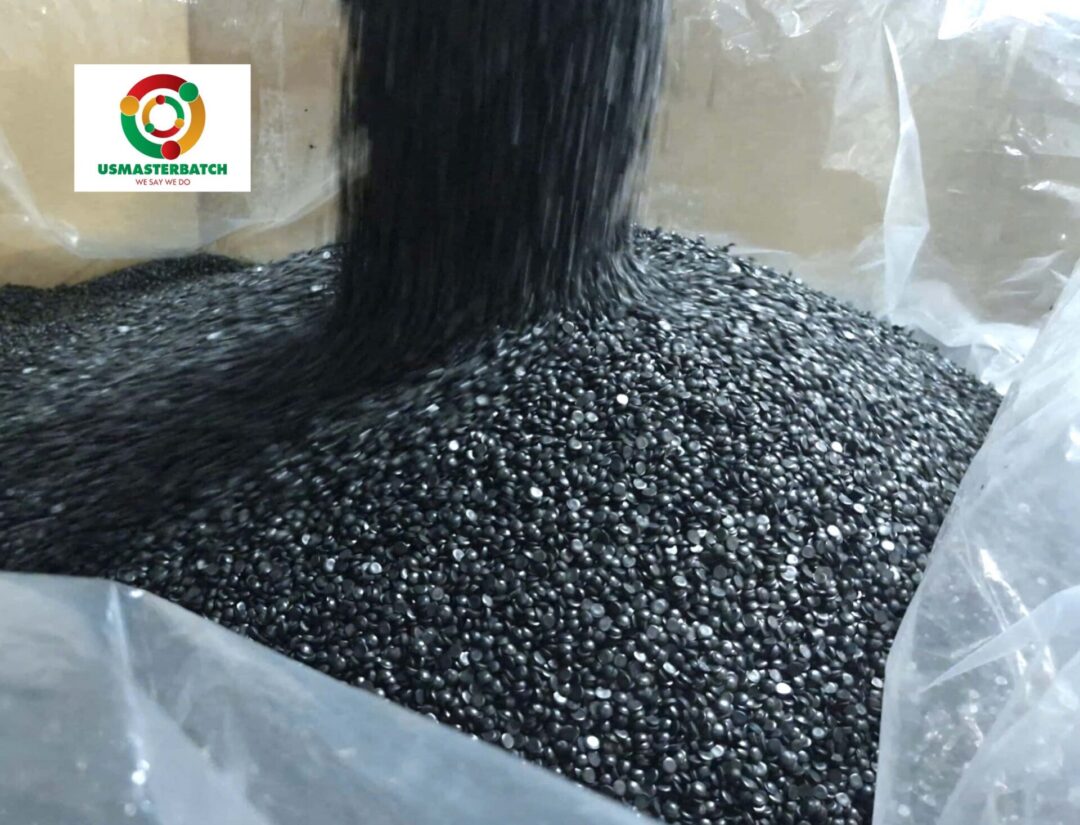
The PVC compound industry in Southeast Asia continues to grow due to several key factors.
First, the rapid expansion of construction and infrastructure projects across the region is increasing the demand for plastic pipes, electrical cables, and building materials, all of which rely heavily on PVC compounds.
Second, global supply chains are gradually shifting toward Southeast Asia. Many international manufacturers are expanding production in countries such as Vietnam, Thailand, and Indonesia in order to benefit from competitive manufacturing costs and a favorable investment environment.
Third, environmental and safety standards are becoming increasingly important. As a result, manufacturers are developing new formulations such as lead-free PVC compounds, flame-retardant materials, and low-smoke compounds to meet stricter international regulations.
Conclusion
Southeast Asia is rapidly becoming one of the world’s important production centers for PVC compounds. With strong industrial growth and expanding manufacturing capacity, the region continues to attract both domestic and international customers.
Manufacturers across Vietnam, Thailand, Indonesia, and Malaysia are contributing to the region’s growing role in the global plastics supply chain. Through continuous investment in technology, product development, and quality control, PVC compound producers in Southeast Asia are strengthening their competitiveness in the international market.