Desiccant Masterbatch: A Strategic Solution in Polymer Processing
The Chemistry of Dryness: How Desiccant Masterbatch Works
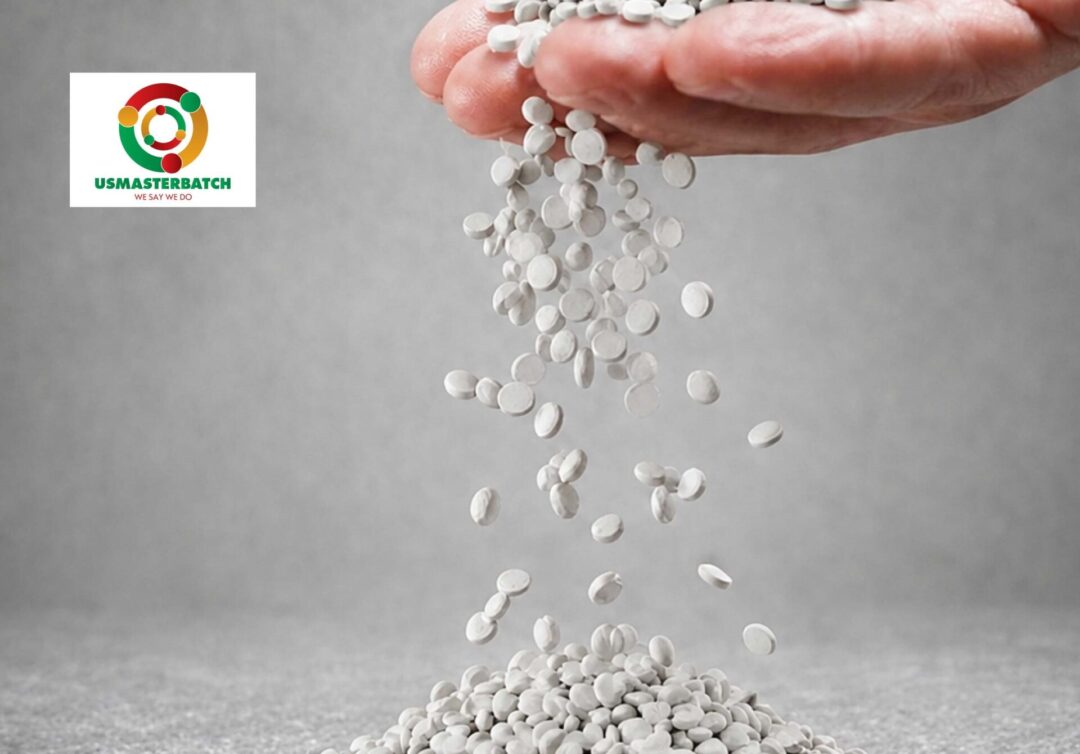
(Illustrative purpose only)
Unlike traditional physical drying, which is energy-intensive and often insufficient for the deep-seated moisture found in post-consumer recycled (PCR) resins, desiccant masterbatch offers an in-situ chemical solution.
The active drying agent, high-purity Calcium Oxide (CaO), is dispersed within specialized carrier resins such as PE, PP, or LLDPE. Its effectiveness is rooted in a permanent chemical reaction:
- As the masterbatch enters the melt phase, the CaO reacts with moisture to form Calcium Hydroxide [Ca(OH)₂].
- This reaction is irreversible; the resulting hydroxide is a stable, non-volatile compound that remains safely dispersed within the polymer matrix without negatively impacting the resin’s rheological profile.
Premium formulations can scavenge water up to 25% of their own weight, providing a massive buffer against heavily contaminated recycled materials.
Resolving Critical Processing Defects
Integrating desiccant masterbatch directly addresses the most common moisture-induced issues in plastic production:
- Fish Eyes & Lensing: By chemically binding water, it prevents steam-induced “windows” in thin films, significantly reducing scrap rates in high-speed lines.
- Silver Streaks / Lacing: It neutralizes moisture before gas expansion can occur in the mold, enhancing the yield for high-aesthetic automotive and consumer electronics parts.
- Porous Melt & Bubbles: By converting H2O to stable Ca(OH)2, it eliminates gas evolution, maintaining the tensile integrity and preventing structural failure.
- Film Bubble Vibration: It stabilizes the melt viscosity by removing volatility, which increases production uptime and enables higher line speeds.
Economic and Operational Strategic Benefits of Desiccant Masterbatch
Beyond simple moisture removal, this technology drives operational excellence and impacts the bottom line:
- Energy Optimization: By neutralizing moisture within the barrel, manufacturers can reduce or eliminate the need for energy-heavy pre-drying silos, leading to an immediate reduction in KWh consumption.
- Increased Filler Loading: Desiccant masterbatches allow for higher ratios of cost-effective fillers (like CaCO3) by scavenging the surface moisture that these fillers often carry.
- Enabling the Circular Economy: It is the primary “enabler” for plastic recycling. It manages the inherent hygroscopy of PCR resins and helps stabilize color drift and remove odors, allowing recycled streams to meet virgin-grade specifications.
- Asset Protection: Moisture in the extruder can lead to acid formation and oxidative wear on expensive screws and barrels. Desiccant masterbatch reduces long-term maintenance costs by binding this water.
Comprehensive Applications of Desiccant Masterbatch Across Industries

(Illustrative purpose only)
The versatility of desiccant masterbatch allows it to be deployed across diverse environments:
- Blown Film & Packaging: Essential for shopping bags and agricultural films to prevent bubble breakage and ensure transparency.
- Injection & Blow Molding: Ensures melt homogeneity for automotive instrument clusters and industrial containers where surface finish is a non-negotiable KPI.
- Extrusion (Pipes & Sacks): Ensures a solid, high-density cross-section in HDPE pipes and prevents surface ripples in PP woven sacks (Raffia).
- PCR/Regrind Processing: Allows for the seamless processing of “damp” recycled flakes, making sustainable production commercially viable.
Best Practices: Dosage and Handling
To ensure maximum efficacy, disciplined handling is required:
- Dosage Guidelines: Standard moisture control for films typically requires 1.0%–2.0%, while injection molding or recycled materials may require 2.0%–5.0%.
- Strict Timing: Once the vacuum-sealed packaging is breached, the material should be used within 12 to 24 hours. Failure to do so allows the pellets to saturate, potentially plugging filter screens.
- Technical Caution: Never pre-dry the desiccant masterbatch itself, as this will consume its scavenging capacity before it reaches the polymer melt.
The Competitive Landscape: Top Global Manufacturers
Sourcing from leaders with advanced R&D ensures process consistency:
- Ampacet Corporation: Known for “Sustainable R3 Solutions” with high-capacity moisture binding.
- Avient Corporation: A leader in healthcare and EV solutions focusing on PFAS-free formulations.
- Clariant: A strategic leader that transitioned to a fully PFAS-free additive portfolio by late 2023.
- US Masterbatch (Vietnam): Recognized for specialized technical support in Southeast Asia, particularly in optimizing PCR materials to prevent lacing.
Conclusion
Desiccant masterbatch is a strategic tool for modern, sustainable, and cost-effective plastic manufacturing. By shifting from energy-intensive physical drying to permanent chemical moisture-binding, manufacturers can stabilize production, increase recycled resin utilization, and protect machinery. As regulations tighten around PFAS-free processing, the transition to additive-based moisture management is a high-value move for any forward-thinking producer.