Automotive Plastic Parts – Key Materials Used in Modern Vehicles
Over the past few decades, the automotive industry has experienced a major transformation. One of the most significant changes is the increasing use of plastic materials in vehicle manufacturing. In the past, metal dominated most vehicle components. Today, however, plastics are widely used in both interior and exterior systems. Modern cars rely on automotive plastic parts to improve performance, reduce weight, and enhance design flexibility.
In fact, plastics typically account for about 10–15% of a vehicle’s total weight but nearly 50% of its material volume.
Automotive manufacturers choose plastic materials because they offer several advantages:
- Reduced vehicle weight
- Improved fuel efficiency
- Excellent corrosion resistance
- Flexible design possibilities
- Lower production costs
Behind these plastic components are specialized materials such as PVC compounds, polypropylene (PP) compounds, polyethylene (PE) compounds, and filler masterbatch. Each of these materials contributes unique properties that help automotive manufacturers meet strict technical and economic requirements.
Key Materials Used in Automotive Plastic Parts
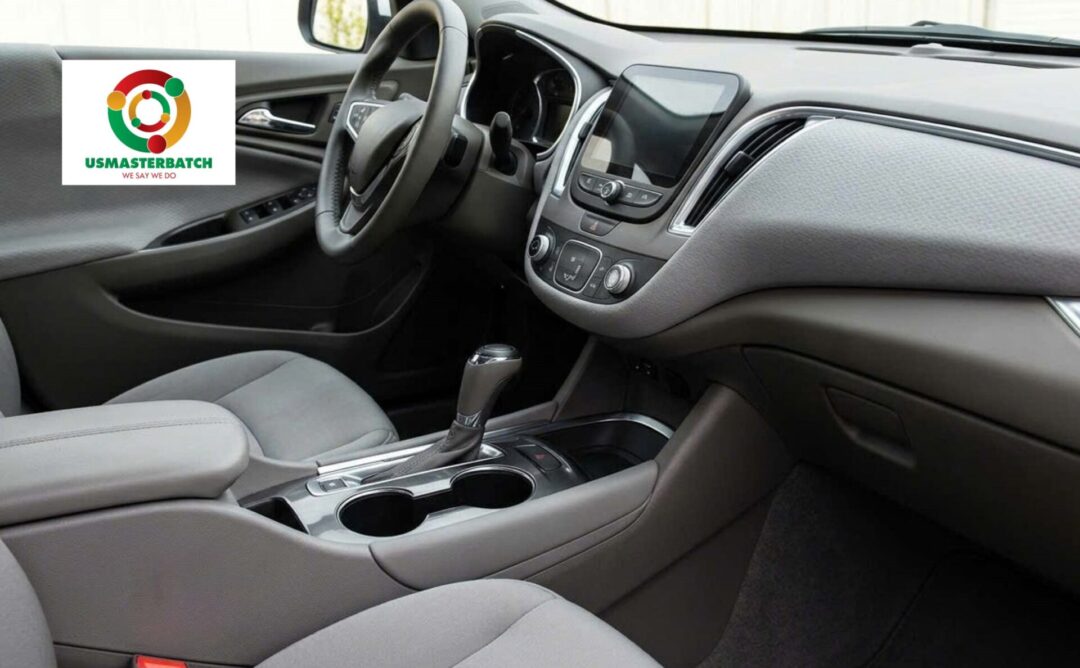
(Illustrative purposes only)
The automotive industry relies on several types of plastic compounds to produce different components within a vehicle.
Some of the most important materials include:
- PVC compounds
- Polypropylene (PP) compounds
- Polyethylene (PE) compounds
- Calcium carbonate filler masterbatch
These materials are carefully engineered to meet performance requirements such as strength, durability, flexibility, chemical resistance, and cost efficiency.
Each material plays a different role depending on the function of the automotive component.
PVC Compounds – Application in Automotive Plastic Parts
Why PVC is Widely Used in Vehicles
Polyvinyl Chloride (PVC) is one of the most versatile polymers used in the automotive industry. PVC compounds can be designed to be either rigid or flexible, allowing them to serve multiple purposes within a vehicle.
PVC offers several important advantages:
- Excellent electrical insulation
- Good chemical and oil resistance
- Natural flame-retardant properties
- Good durability and weather resistance
Because of these characteristics, PVC compounds are widely used in electrical systems, interior surfaces, and sealing applications.
Automotive Wire and Cable Insulation
One of the most common uses of PVC compounds in vehicles is wire and cable insulation.
Modern vehicles contain hundreds of electrical connections that power various systems, including:
- lighting systems
- infotainment systems
- sensors and control units
- safety equipment
PVC compound is an ideal insulation material because it provides:
- reliable electrical insulation
- good heat resistance
- resistance to oils and automotive fluids
- long-term durability
PVC insulation can also be processed efficiently through extrusion, making it suitable for large-scale automotive cable production.
Automotive Interior Applications
PVC compounds are also widely used in automotive interiors where comfort and aesthetics are important.
Typical interior components made with PVC include:
- dashboard skins
- door panels
- armrests
- decorative interior films
Flexible PVC compounds allow manufacturers to create soft-touch surfaces, improving both comfort and visual appeal inside the vehicle.
Automotive Sealing Systems
PVC compounds can also be used in automotive sealing applications such as:
- door seals
- window gaskets
- protective trims
These components must remain flexible while resisting environmental conditions such as temperature changes, moisture, and UV exposure. Properly formulated PVC compounds provide the durability needed for these demanding conditions.
Polypropylene (PP) Compounds in Automotive Manufacturing
Why PP Is One of the Most Important Automotive Plastics
Polypropylene (PP) is one of the most widely used plastics in automotive manufacturing. PP compounds are favored because they offer a strong combination of:
- lightweight structure
- good mechanical strength
- chemical resistance
- cost efficiency
- excellent processing performance
These characteristics make PP compounds suitable for both interior and exterior automotive parts.
Automotive Bumpers
One of the most well-known uses of PP compounds is in automotive bumper systems.
Bumpers are typically made from impact-modified polypropylene compounds. These materials contain additives that improve impact resistance, allowing the bumper to absorb energy during minor collisions.
Compared to metal parts, polypropylene bumpers are significantly lighter, which contributes to overall vehicle weight reduction.
Interior Structural Components
PP compounds are also commonly used for structural components inside the vehicle, including:
- dashboard structures
- center consoles
- glove compartments
- air duct systems
These parts require materials that are rigid, durable, and easy to mold, making PP compounds an ideal choice.
Battery Cases and Chemical Containers
Polypropylene is also widely used in battery housings and chemical containers within vehicles.
PP offers excellent resistance to chemicals and acids, making it suitable for environments where long-term durability is required.
Polyethylene (PE) Compounds in Automotive Systems
Properties of Polyethylene in Automotive Applications
Polyethylene (PE) is another important polymer used in the automotive industry. PE compounds are valued for their:
- excellent chemical resistance
- toughness and durability
- good impact resistance
- ease of processing
Because of these properties, PE compounds are commonly used in components that must withstand chemical exposure and mechanical stress.
Automotive Fuel Tanks
High-density polyethylene (HDPE) compounds are widely used in automotive fuel tanks.
Fuel tanks require materials that can:
- resist gasoline and diesel fuels
- prevent leakage or permeation
- maintain structural stability
HDPE compounds meet these requirements while also offering the advantage of lightweight design.
Fluid Reservoirs
Vehicles rely on multiple fluid systems, including:
- coolant reservoirs
- windshield washer tanks
- hydraulic fluid containers
PE compounds are commonly used for these applications because they provide strong chemical resistance and durability.
Protective Tubing and Cable Protection
PE compounds are also used to manufacture protective tubing for automotive wiring systems.
These tubes protect wires from abrasion, heat, and mechanical damage while maintaining flexibility during vehicle operation.
The Role of Filler Masterbatch in Automotive Plastics
What is Filler Masterbatch?
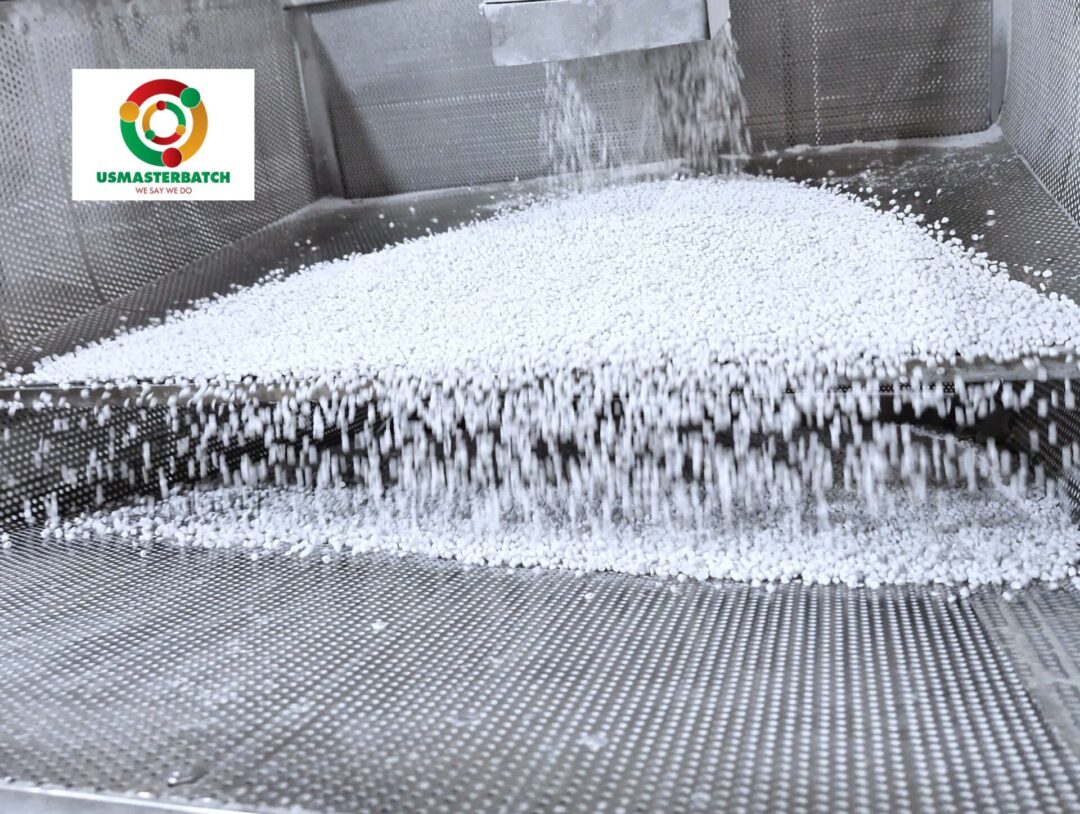
Filler masterbatch is a material that contains calcium carbonate (CaCO₃) dispersed in a polymer carrier resin. It is widely used in plastic processing to improve certain properties while reducing raw material costs.
When added to polymers such as PP or PE, filler masterbatch can help improve:
- stiffness
- dimensional stability
- processing efficiency
How Filler Masterbatch Improves Plastic Parts
The calcium carbonate particles act as reinforcement fillers within the polymer matrix.
This improves several characteristics:
- higher stiffness
- better dimensional stability
- reduced shrinkage during molding
In many cases, filler masterbatch also helps optimize material costs, which is important for high-volume industries such as automotive manufacturing.
Automotive Applications of Filler Masterbatch
Filler masterbatch is often used in:
- injection molded automotive parts
- interior plastic panels
- structural plastic components
When properly formulated, it allows manufacturers to achieve a balance between performance and cost efficiency.
Why Plastic Compounds Are Critical for Automotive Manufacturing
Modern automotive materials are rarely made from pure polymers alone. Instead, manufacturers rely on plastic compounds, which combine base polymers with additives and modifiers.
These compounds allow engineers to customize materials for specific applications by improving properties such as:
- mechanical strength
- impact resistance
- heat stability
- chemical resistance
- processing performance
As automotive designs become more advanced, the role of specialized plastic compounds becomes even more important.
US Masterbatch – A Plastic Compound Supplier from Vietnam
As global demand for automotive plastic materials continues to grow, manufacturers are increasingly looking for reliable suppliers capable of providing consistent plastic compounds and masterbatch materials.
US Masterbatch, based in Vietnam, is one of the companies supplying raw materials for the plastics industry.
The company focuses on producing materials such as:
- PVC compounds
- Polypropylene (PP) compounds
- Polyethylene (PE) compounds
- Calcium carbonate filler masterbatch
These materials are widely used across industries including packaging, construction, electrical systems, and automotive components.
One advantage of manufacturing in Vietnam is the ability to combine competitive production costs with stable raw material supply, allowing companies like US Masterbatch to provide flexible material solutions for international markets.
In addition, the ability to customize compound formulations allows manufacturers to develop materials suited for specific production requirements.
Conclusion
Plastics have become an essential part of modern vehicle manufacturing. Materials such as PVC compounds, PP compounds, PE compounds, and filler masterbatch play a crucial role in producing automotive components that are lightweight, durable, and cost-effective.
From electrical wiring systems and interior panels to bumpers and fuel tanks, these materials allow automotive manufacturers to improve both performance and design flexibility.
For companies exploring new suppliers of plastic compounds, learning more about manufacturers such as US Masterbatch may help identify new opportunities for reliable and cost-effective material solutions.