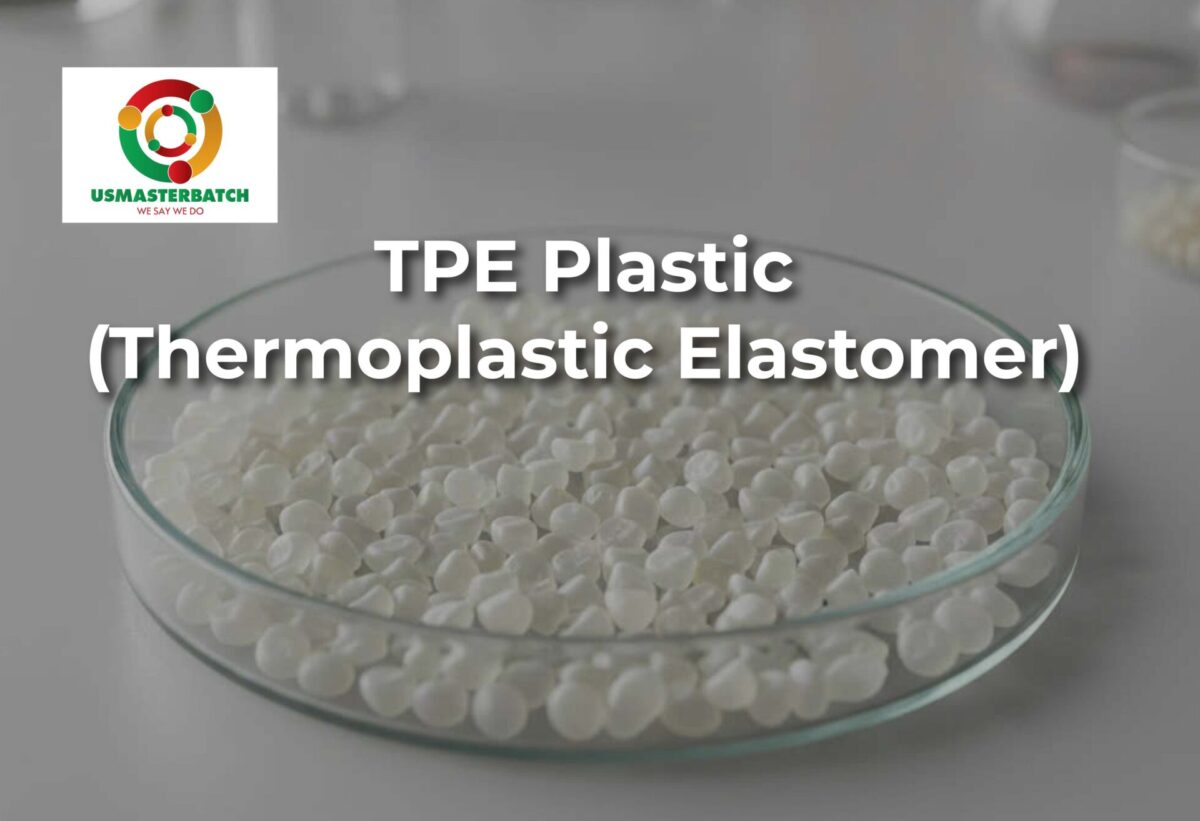
A Comprehensive Overview of TPE Plastic (Thermoplastic Elastomer)
TPE plastic, short for Thermoplastic Elastomer, is becoming an essential material across many manufacturing sectors. Its unique blend of rubber-like elasticity and the processability of thermoplastics makes TPE a preferred choice for companies seeking durability, efficiency, and design flexibility. Whether you are producing consumer goods, automotive components, medical devices, electronics, or packaging materials, understanding TPE will help you choose better materials for your products.
1. What Is TPE Plastic?
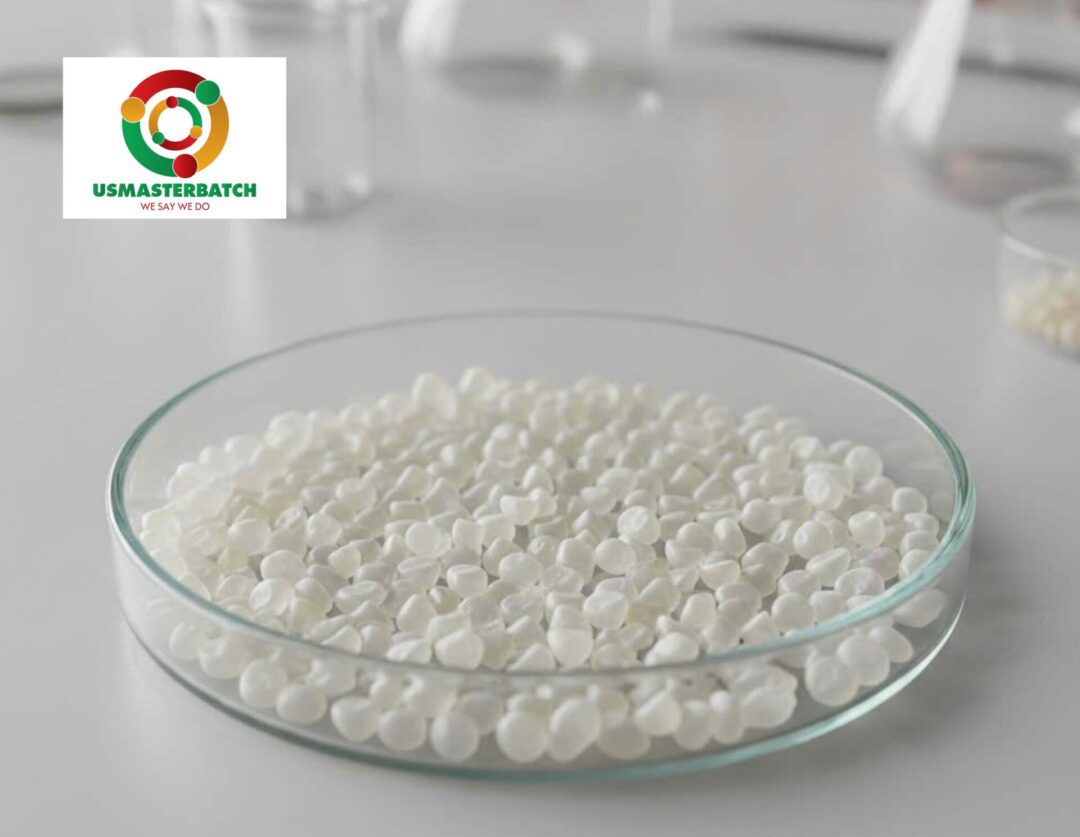
TPE plastic is a group of materials that behave like rubber while still being melt-processable like standard thermoplastic resins. Unlike traditional rubber, which must undergo vulcanization, TPE plastic can be molded, re-melted, and recycled multiple times without losing its core properties.
TPE plastic is commonly produced by combining rubber with polymeric materials. Its major categories include:
- TPE-S (Styrenic Elastomers)
- TPV / TPE-V (Vulcanized Thermoplastic Elastomers)
- TPO / TPE-O (Olefinic Elastomers)
- TPU (Thermoplastic Polyurethane)
- TPO (Thermoplastic Olefin)
Each type differs in hardness, elasticity, chemical resistance, and heat stability, allowing manufacturers to select the exact grade needed for their applications.
2. Main Advantages of TPE Plastic
TPE is favored by manufacturers because it offers benefits that neither traditional rubber nor rigid plastics can provide alone.
✔ Outstanding Flexibility and Softness
TPE can stretch and return to its original form, providing a soft-touch feel ideal for grips and ergonomic products.
✔ Simple and Cost-Efficient Processing
Because TPE behaves like thermoplastic, it works well with injection molding, extrusion, and blow molding. This reduces production cycles and overall manufacturing expenses.
✔ Reusable and Environmentally Friendly
TPE can be reprocessed, making it suitable for companies looking to reduce waste and improve sustainability.
✔ Safe for Skin Contact
Many grades of TPE comply with FDA and food-contact standards, making them suitable for medical tools, baby products, and cosmetic packaging.
✔ Easily Adjustable Hardness and Color
TPE can be made extremely soft or semi-rigid, and it accepts pigments easily for precise color matching.
✔ Strong Resistance Properties
The material has excellent resistance to weathering, abrasion, fatigue, and various chemicals, ensuring long-term durability.
3. Applications of TPE Plastics
Thanks to its combination of performance and manufacturing flexibility, TPE is used in a wide range of industries:
● Consumer Goods
Handles, grips, toys, household tools, phone accessories, and sports equipment.
● Electronics & Electrical Devices
Cable jackets, charger cords, earphone parts, flexible connectors, and vibration-damping components.
● Automotive Applications
Door and window seals, interior trims, tubing, pedal pads, and gasket components.
● Medical & Healthcare
Flexible tubes, seals, medical grips, and components that require biocompatibility.
● Food Packaging & Sealing Products
Bottle caps, sealing rings, flexible closures, and anti-slip packaging elements.
Its versatility makes TPE a top replacement for rubber in thousands of different products.
4. Key Considerations for Selecting TPE Materials
Choosing the correct TPE grade is crucial to achieving optimal product performance, durability, and production efficiency. Several factors should be carefully evaluated before making a selection:
Hardness (Shore A / Shore D)
Select the appropriate level of softness or rigidity based on your product’s functionality and end-user experience. The hardness will directly affect comfort, flexibility, and tactile feel.
Bonding Compatibility
Some applications require proper adhesion with base plastics such as PP, PE, ABS, or PC during overmolding. Ensuring compatibility helps prevent delamination or structural issues in the final product.
Color Stability & Requirements
Verify whether your supplier can provide consistent color matching for large-scale production. Stable color performance is especially important for consumer products where appearance and branding are critical.
Required Functional Additives
Depending on the intended use, additional properties may be needed, such as UV resistance, oil resistance, anti-slip performance, or flame retardancy. Selecting the correct additives ensures your product meets both environmental and operational demands.
Certifications and Regulations

Check for compliance with important standards such as:
- RoHS
- REACH
- FDA
- LFGB
- EN71
These certifications guarantee that the TPE plastic material meets safety, health, and export regulations, giving you confidence in both domestic and international markets. Considering all these factors helps manufacturers choose the right TPE grade and ensures consistent, high-quality production.
5. Conclusion
TPE plastic is an adaptable, sustainable, and high-performing material that combines the best characteristics of rubber and thermoplastics. Its recyclability, ease of processing, and wide range of applications make it an excellent choice for modern manufacturing. Understanding TPE helps businesses develop better products, reduce production costs, and maintain a competitive edge in the market.
TPE 材料深度指南
TPE(热塑性弹性体)因同时具备橡胶的弹性与热塑料的可加工性,已成为众多行业的重要材料。无论是消费品、汽车零部件、电子产品、医疗设备还是包装行业,了解 TPE 都能帮助企业做出更好的材料选择。
1. 什么是 TPE 塑料?
TPE 是一类具有橡胶柔韧性,但可像塑料一样熔融加工的材料。与传统橡胶必须硫化不同,TPE 可反复熔融、成型并回收使用而不损失主要性能。
常见类型包括:TPE-S、TPV/TPE-V、TPO/TPE-O、TPU、TPO,每种硬度、弹性、耐化学性等均不同。
2. TPE 的主要优势
- 卓越的柔韧性和软触感
- 加工周期短、生产成本低
- 可回收再利用,环保友好
- 符合 FDA 等标准,可用于婴童与医疗产品
- 硬度、颜色可灵活调整
- 耐磨、耐候、耐化学性强
3. TPE 的应用领域
- 消费品:手柄、玩具、厨具、手机壳
- 电子电器:线材外皮、充电线、连接件
- 汽车行业:密封条、装饰件、软管
- 医疗器械:软管、密封件、医用握柄
- 食品包装:瓶盖、密封圈、柔性封口
4. 选择 TPE 时的关键因素
选择合适的 TPE 类型对于实现产品最佳性能、耐用性和生产效率至关重要。在做出选择之前,需要仔细评估以下几个方面:
硬度(Shore A / Shore D)
根据产品功能和使用体验选择合适的软硬度。硬度直接影响舒适度、柔韧性和触感。
粘合兼容性
某些应用需要与基材如 PP、PE、ABS 或 PC 在二次成型时良好粘合。确保兼容性有助于防止成品分层或结构问题。
颜色稳定性与要求
确认供应商是否能够提供大批量生产时的稳定颜色匹配。对于对外观和品牌形象要求高的消费品来说,颜色稳定性尤为重要。
所需功能性添加剂
根据最终用途,可能需要额外功能,例如抗紫外线、耐油、防滑或阻燃。选择正确的添加剂可确保产品满足环境和操作要求。
认证与法规
请确认材料符合以下重要标准:
- RoHS
- REACH
- FDA
- LFGB
- EN71
这些认证保证 TPE 材料符合安全、健康及出口法规要求,让您在国内外市场都更有信心。综合考虑以上因素,有助于制造商选择合适的 TPE 类型,并确保生产过程稳定、高质量。
5. 总结
TPE 是一种高性能、可持续且应用广泛的现代材料。掌握 TPE 的特点有助于提升产品表现、降低成本并保持竞争力。