3D Printer Plastic Materials Classification for Industrial Applications
In the rapidly evolving landscape of additive manufacturing, understanding the classification of 3D printer plastic materials is essential. For businesses seeking to optimize production efficiency, product performance, and cost-effectiveness, selecting the right material is not merely a technical decision, it directly impacts product quality, scalability, and competitive advantage. As a company operating in the plastics industry, US Masterbatch recognizes the growing importance of advanced materials and emerging manufacturing technologies in shaping the future of industrial production.
This article provides a structured overview of the most widely used 3D printing plastics, categorized based on their properties, applications, and printing technologies.
-
3D Printer Plastic Materials Classification by Thermoplastic Type
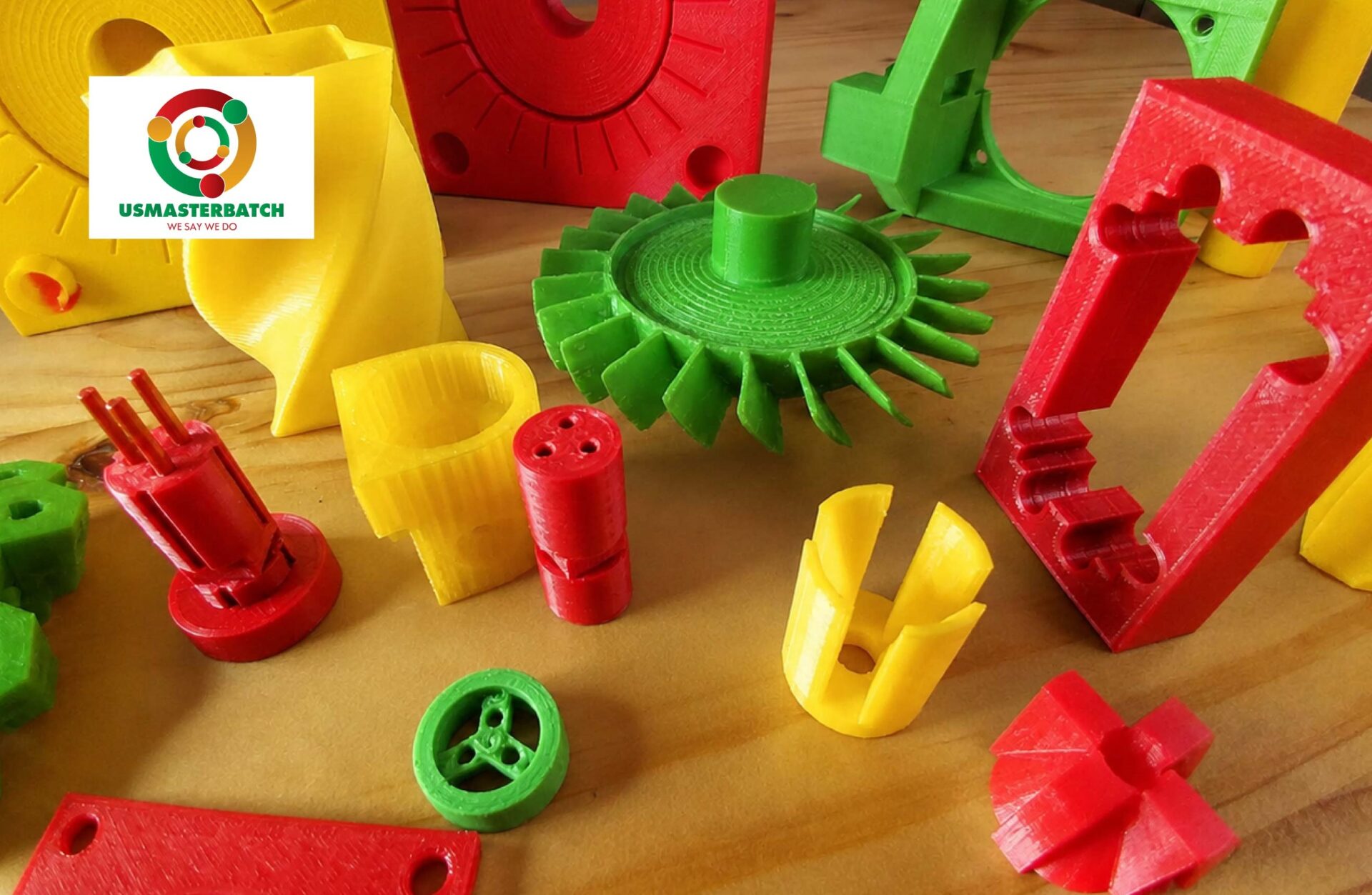
(Illustrative purpose only)
Most 3D printing plastics fall under the category of thermoplastics — materials that become moldable when heated and solidify upon cooling. These materials can be reused and reshaped, making them ideal for industrial applications.
Commodity plastics are widely used due to their affordability and ease of printing. They are suitable for prototyping and non-critical components.
- PLA (Polylactic Acid)
PLA is a biodegradable plastic derived from renewable resources such as corn starch. It is easy to print, has low warping, and is ideal for rapid prototyping and visual models. However, it has limited heat resistance and mechanical strength. - ABS (Acrylonitrile Butadiene Styrene)
ABS offers better toughness and heat resistance compared to PLA. It is commonly used in automotive parts, enclosures, and functional prototypes. However, it requires controlled printing conditions due to warping and emissions. - PETG (Polyethylene Terephthalate Glycol)
PETG combines ease of printing with improved strength and chemical resistance. It is widely used for packaging prototypes, mechanical parts, and food-safe applications.
-
Engineering-Grade Plastics
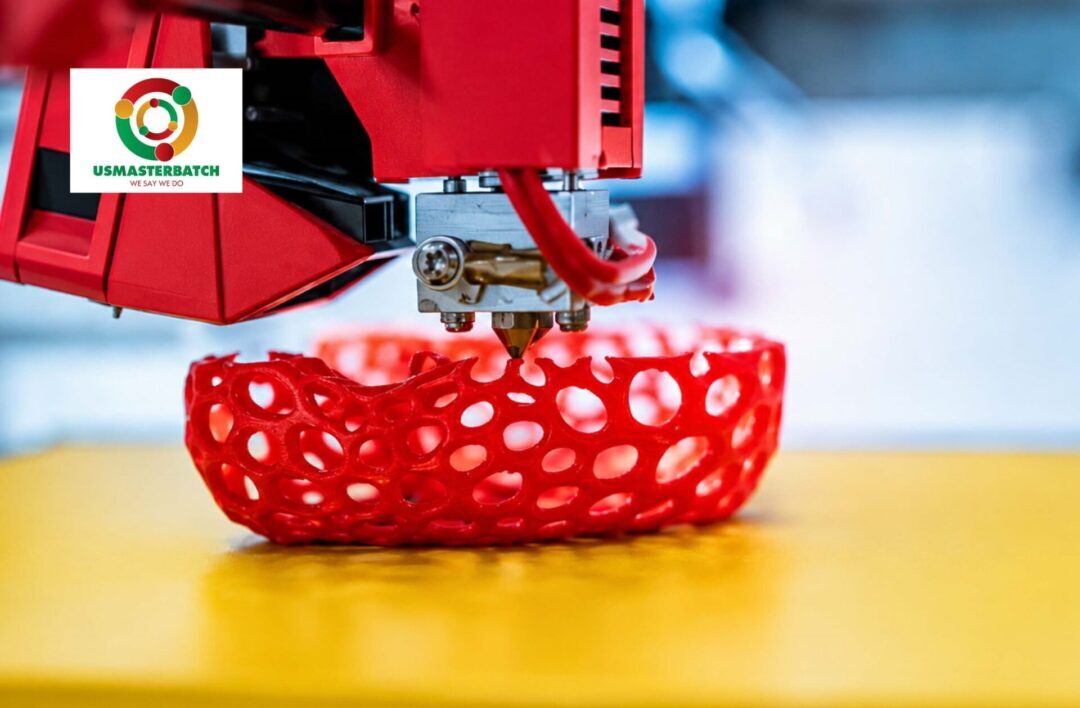
(Illustrative purpose only)
Among various 3D printer plastic materials, engineering plastics are designed for higher performance, offering superior mechanical, thermal, and chemical properties. These materials are preferred in industrial and functional applications.
- Nylon (Polyamide)
Known for its excellent strength, flexibility, and wear resistance, nylon is ideal for gears, hinges, and mechanical components. It is widely used in manufacturing and engineering sectors. - Polycarbonate (PC)
PC is a high-strength material with exceptional impact resistance and heat tolerance. It is suitable for demanding environments such as automotive and aerospace industries. - ASA (Acrylonitrile Styrene Acrylate)
ASA is similar to ABS but offers better UV resistance, making it suitable for outdoor applications such as signage and exterior components.
-
High-Performance 3D Printer Plastic Materials
High-performance plastics are used in advanced industrial applications where extreme conditions are involved. These materials require specialized 3D printers capable of high temperatures.
- PEEK (Polyether Ether Ketone)
PEEK is a premium material known for its exceptional mechanical strength, chemical resistance, and thermal stability. It is widely used in aerospace, medical, and oil & gas industries. - PEI (ULTEM)
PEI offers high strength, flame resistance, and dimensional stability. It is commonly used in aerospace and electrical components.
These materials are significantly more expensive but deliver unmatched performance in mission-critical applications.
-
Flexible and Specialty 3D Printer Plastic Materialss
Flexible and specialty plastics expand the capabilities of 3D printing beyond rigid structures.
- TPU (Thermoplastic Polyurethane)
TPU is a flexible material with rubber-like properties. It is used in applications such as seals, gaskets, footwear, and protective covers. - TPE (Thermoplastic Elastomer)
TPE offers elasticity and softness, making it suitable for ergonomic products and soft-touch components. - Composite Materials
These include plastics reinforced with carbon fiber, glass fiber, or metal particles. They provide enhanced strength, stiffness, and aesthetic appeal for industrial-grade parts.
-
Classification by 3D Printing Technology
Different types of 3D printer plastic materials are compatible with different 3D printing technologies:
5.1 FDM (Fused Deposition Modeling)
FDM is the most common 3D printing technology. It uses filament-based plastics such as PLA, ABS, PETG, and Nylon. It is cost-effective and suitable for prototyping and low-volume production.
5.2 SLA (Stereolithography)
SLA uses photopolymer resins instead of traditional thermoplastics. These materials offer high precision and smooth surface finishes, making them ideal for dental, jewelry, and design industries.
5.3 SLS (Selective Laser Sintering)
SLS uses powdered plastics such as Nylon (PA12). It is widely used for functional parts and complex geometries without the need for support structures.
-
Key Considerations When Choosing 3D Printer Plastic Materials
When selecting 3D printing plastic materials, businesses should evaluate the following factors:
- Mechanical Properties: Strength, flexibility, and durability
- Thermal Resistance: Ability to withstand high temperatures
- Chemical Resistance: Suitability for industrial environments
- Cost Efficiency: Material cost vs. performance value
- Scalability: Compatibility with mass production workflows
- Regulatory Compliance: Food-grade, medical-grade, or industry-specific certifications
-
Future Trends in 3D Printer Plastic Materials
The market for 3D printing materials continues to expand with innovations in sustainable and high-performance plastics. Bio-based materials, recyclable filaments, and advanced composites are gaining traction among environmentally conscious enterprises.
Additionally, the integration of smart materials — capable of responding to environmental stimuli — is expected to open new opportunities in sectors such as healthcare, robotics, and electronics.
Conclusion
The classification of 3D printer plastic materials plays a critical role in aligning manufacturing processes with business objectives. From cost-effective prototyping with PLA to high-performance applications using PEEK, each material category serves a distinct purpose.
For companies aiming to leverage additive manufacturing at scale, a strategic approach to material selection is essential. By understanding the properties, applications, and limitations of each plastic type, businesses can enhance product innovation, reduce production costs, and maintain a competitive edge in the global market. At US Masterbatch, staying informed about advancements in material technologies remains an important part of understanding evolving industry needs and supporting innovation across the broader plastics sector.