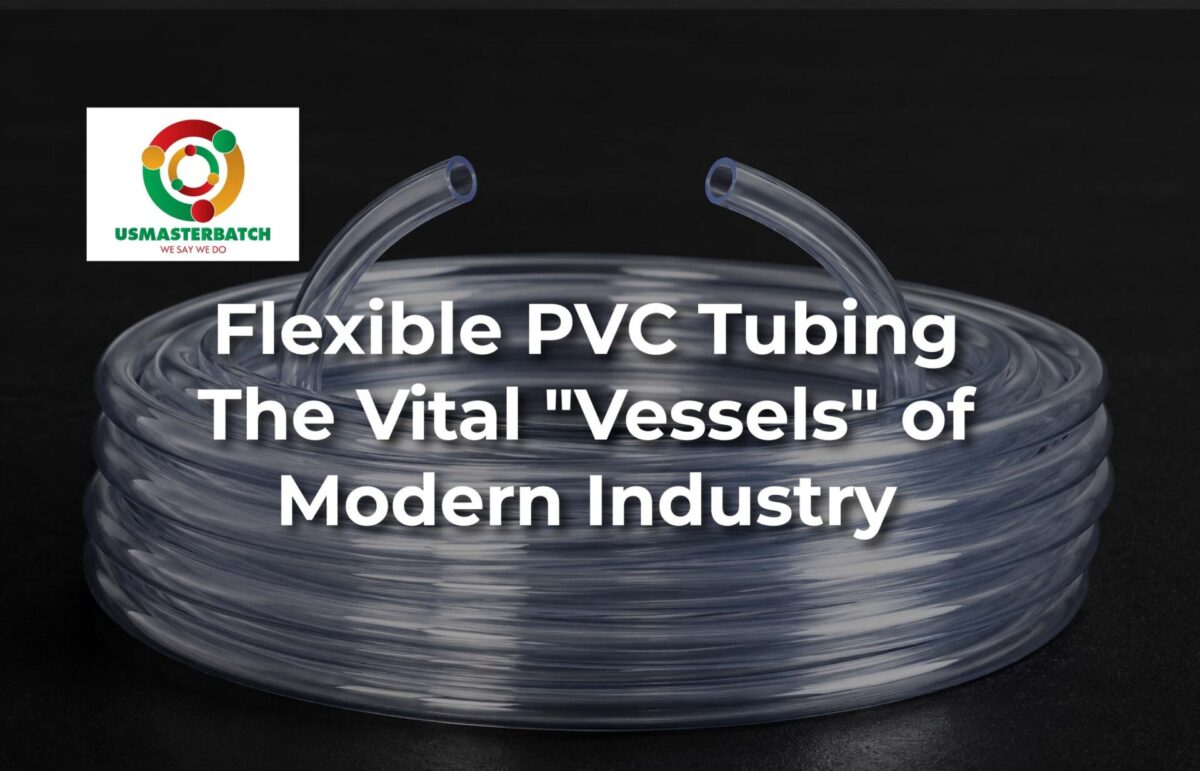
Flexible PVC Tubing: The Vital “Vessels” of Modern Industry
In the world of polymers, if uPVC is considered the rigid “skeleton”, then Flexible PVC Tubing undoubtedly serves as the versatile “vessels”. From sophisticated medical delivery systems to industrial fuel lines, flexible PVC tubing plays an irreplaceable role by offering a perfect harmony of durability, customizability, and cost-efficiency.
As experts in the field of PVC Compounds, we recognize that a profound understanding of the structure and properties of this material is the key for businesses to optimize operational workflows and ensure the ultimate safety of the final product.
1. What is Flexible PVC Tubing?
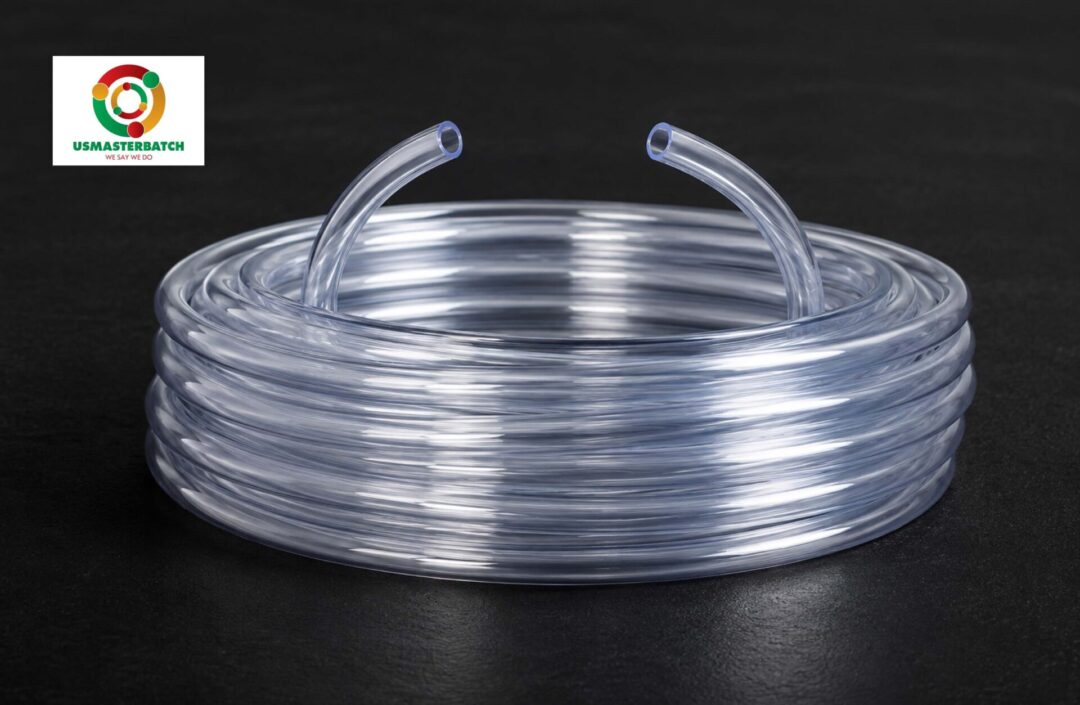
(Illustrative purpose only)
Flexible PVC Tubing is a conduit manufactured from “plasticized” Polyvinyl Chloride. Unlike rigid piping, during the compounding process, technical specialists integrate a specific ratio of plasticizers — such as DOTP, DINP, or bio-based alternatives.
These plasticizers embed themselves between the PVC polymer chains, reducing intermolecular forces. This allowed the material to bend, flex, and stretch without fracturing. This flexibility is typically measured on the Shore A scale, ranging from ultra-soft (similar to silicone) to semi-rigid.
2. Superior Properties of Flexible PVC Tubing Dominating the Industry
Why do manufacturers prioritize Flexible PVC over rubber or other thermoplastic elastomers like TPE/TPU? The answer lies in its exceptional balance of the following characteristics:
- A. Crystal Clarity: One of the most significant advantages of Flexible PVC is its ability to achieve near-perfect transparency. This is critical in applications requiring visual monitoring of fluid flow, such as medical devices or food production lines.
- B. Chemical & Corrosion Resistance: Flexible PVC possesses a natural “immunity” to many acids, alkalis, and mild organic solvents. This ensures a long service life even when operating in harsh industrial environments.
- C. Infinite Customizability (Tailor-made): This is where technical expertise truly shines. We can fine-tune the Compound formula to integrate specialized features:
- UV Resistance: To prevent yellowing or brittleness when exposed to outdoor elements.
- Anti-microbial: Specifically for the food and medical sectors.
- Anti-static: Designed for hazardous, explosive-prone environments.
3. Practical Applications of Flexible PVC Tubing
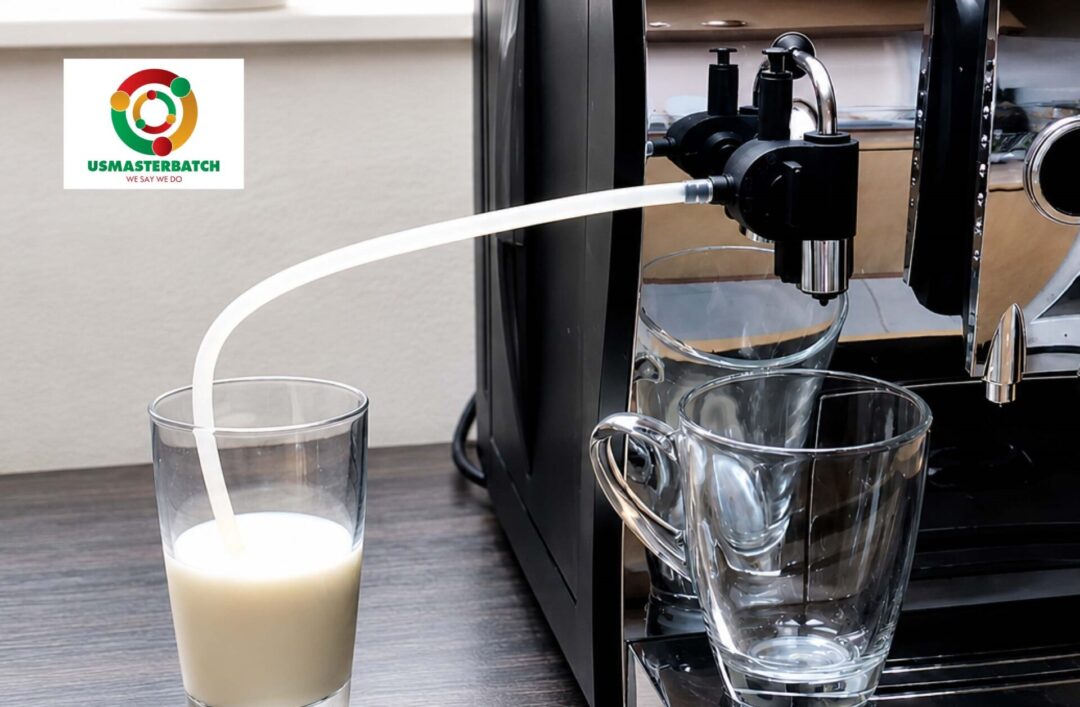
(Illustrative purpose only)
Flexible PVC Tubing is present in every corner of the global economy:
- Medical Grade: This is the most demanding segment. Flexible PVC tubes are used for IV administration sets, oxygen catheters, and blood bags. To meet these requirements, the PVC Compound must achieve certifications such as USP Class VI or ISO 10993, ensuring non-toxicity and total biocompatibility with the human body.
- Food and Beverage (Food Grade): You can easily find Flexible PVC tubing in industrial coffee machines, milk bottling lines, or beer dispensing systems. The prerequisite here is that the material must be odorless, tasteless, and compliant with FDA or EU Food Contact standards.
- Industrial and Construction: Pneumatic hoses, high-pressure water lines (often reinforced with polyester — Braided Hose), and protective sheathing for electrical cables are common applications. Its ability to withstand pressure and resist abrasion minimizes the risks of leakage and maintenance.
- Automotive and Transportation: Flexible PVC is utilized for lightweight fuel lines, air conditioning drain tubes, or waterproof gaskets in vehicles, where flexibility under fluctuating temperatures and constant vibration is mandatory.
4. An Expert Perspective: Choosing the Right Path to Success
At US Masterbatch, we always emphasize to our partners: “There is no such thing as the best plastic, only the most suitable plastic”. When selecting Flexible PVC Tubing, businesses must consider three strategic factors:
- Plasticizer Migration: In certain environments (such as oil transport), plasticizers can migrate out of the resin, causing the tube to become rigid and crack over time. Selecting “inert” Polymeric plasticizers is the optimal solution for these cases.
- Density (Specific Gravity): Many suppliers offer low prices, but their density is exceedingly high due to excessive calcium carbonate filler. This makes the tube heavier, more brittle, and in reality, you receive fewer meters of tubing per kilogram of resin.
- Environmental Standards: The global trend is shifting toward Non-Phthalate and Lead-Free solutions. If you aim to export to Europe or the US, ensure your Compound is RoHS and REACH compliant.
5. Conclusion: Integrity in Every Meter
The plastics industry, and Flexible PVC Tubing in particular, is often misunderstood as being environmentally harmful. However, with advancements in Compounding technology, we are creating products that are more durable, recyclable, and safer for the end-user.
At US Masterbatch, we look beyond the resin pellets; we look at the solutions our customers are seeking. A deep understanding of material properties is not just a job — it is a passion to create the highest quality products, bringing positive energy and absolute trust to every partner.
Are you facing challenges in finding the right flexible PVC formula for your project? Let my experience and our technical team accompany you on the road to success!