PVC Stabilizer Issues in Transparent PVC Production
In transparent PVC production, PVC stabilizers determine transparency, heat resistance, stability, and product lifespan. However, in real production environments, many manufacturers still encounter stabilizer-related issues that disrupt processing consistency, increase defect rates, and reduce overall efficiency. These challenges not only impact final product quality but also lead to material waste, higher operational costs, and unstable output. Today, we examine these common problems and provide practical solutions to address production challenges.
- Transparency Issues
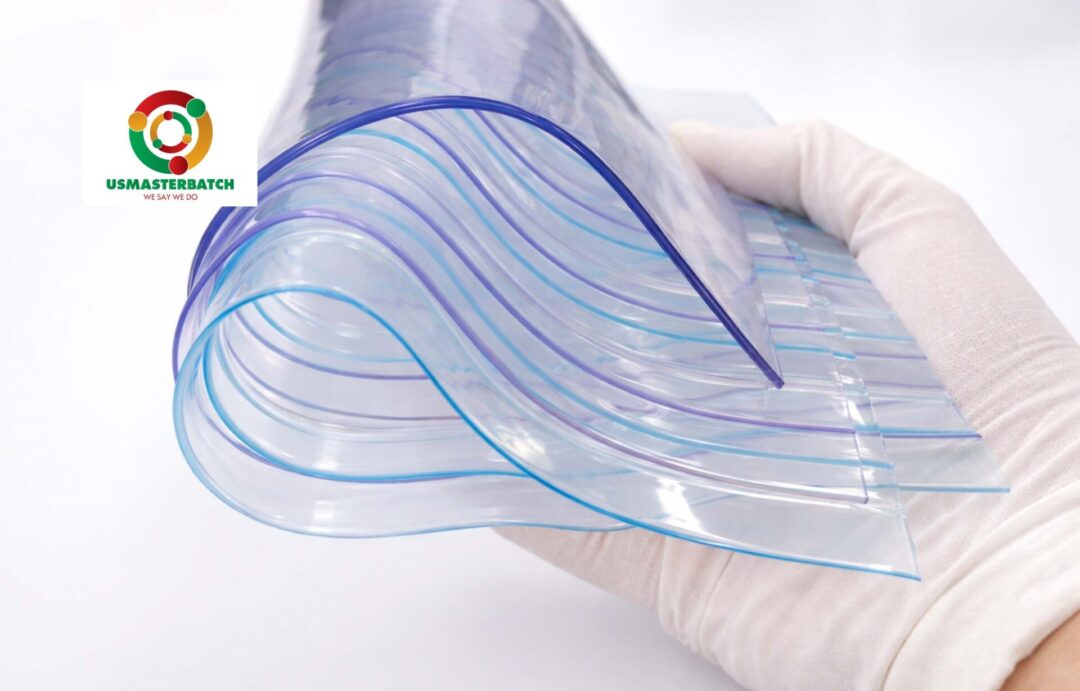
(Illustrative purpose only)
One of the key advantages of this product is its high transparency. However, improper selection of stabilizers can reduce the transparency of the sheet. Excessive addition may further affect the product’s appearance and market competitiveness.
Solution: Choose transparent stabilizers with excellent compatibility with PVC and strictly control the mixing ratio to ensure the film remains clear and glossy.
Tin stabilizers are considered the best and provide the highest level of transparency known.
- Thermal Yellowing
During high-temperature processing, insufficient thermal stability can cause PVC to degrade. This leads to yellowing of the plastic sheets and seriously affects product quality.
Solution: Use high-performance thermal stabilizers and optimize processing temperatures to avoid overheating and degradation.
- Stabilizer Migration
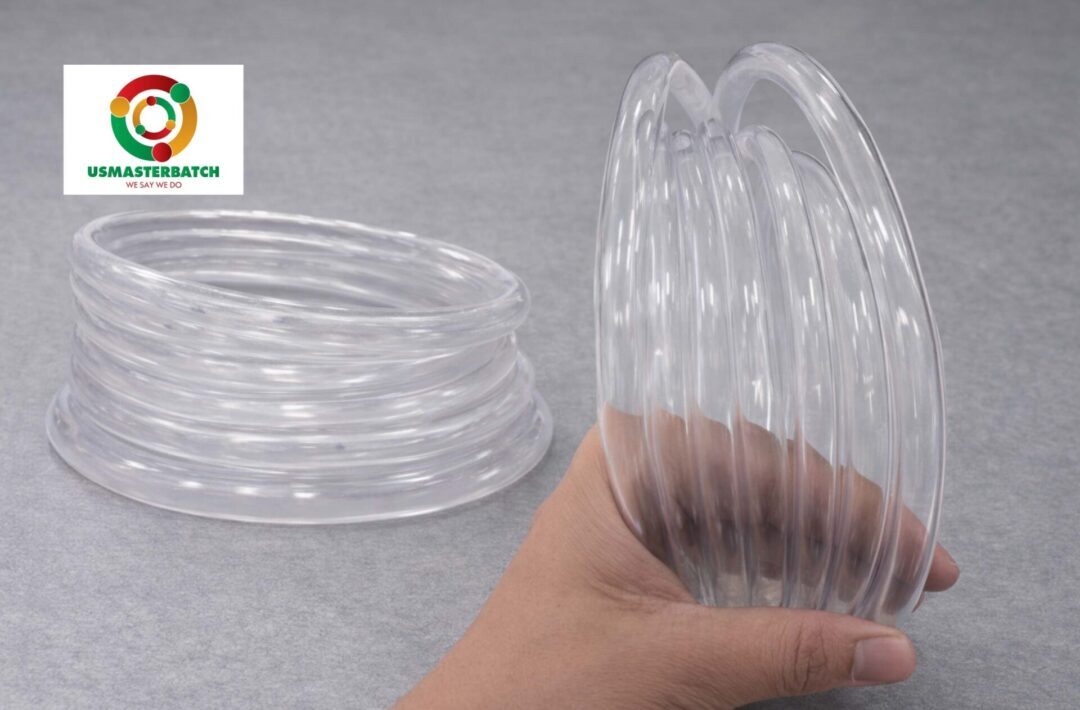
(Illustrative purpose only)
- If the stabilizer has poor compatibility with PVC, it may migrate to the surface of the sheet, causing surface blooming or uneven coloration. This not only affects appearance but may also reduce the physical properties of the product.
Solution: Select stabilizers with excellent compatibility with PVC and prevent migration issues through proper formulation.
In the production of transparent PVC products such as films, pipes, masks, and medical tubing, stabilizers play an extremely important role. As a stabilizer manufacturer, US MASTERBATCH is committed to providing high-performance and environmentally friendly PVC stabilizers to help address issues such as reduced transparency, yellowing, and migration.
Our products can significantly improve PVC product quality while ensuring stable and efficient production. If you are facing these common issues, please contact us to learn more about our PVC stabilizer solutions and receive technical support.