What is Thermoplastic Elastomer (TPE)? Production Process and Applications
1. Understanding Thermoplastic Elastomer: A Hybrid Material Class
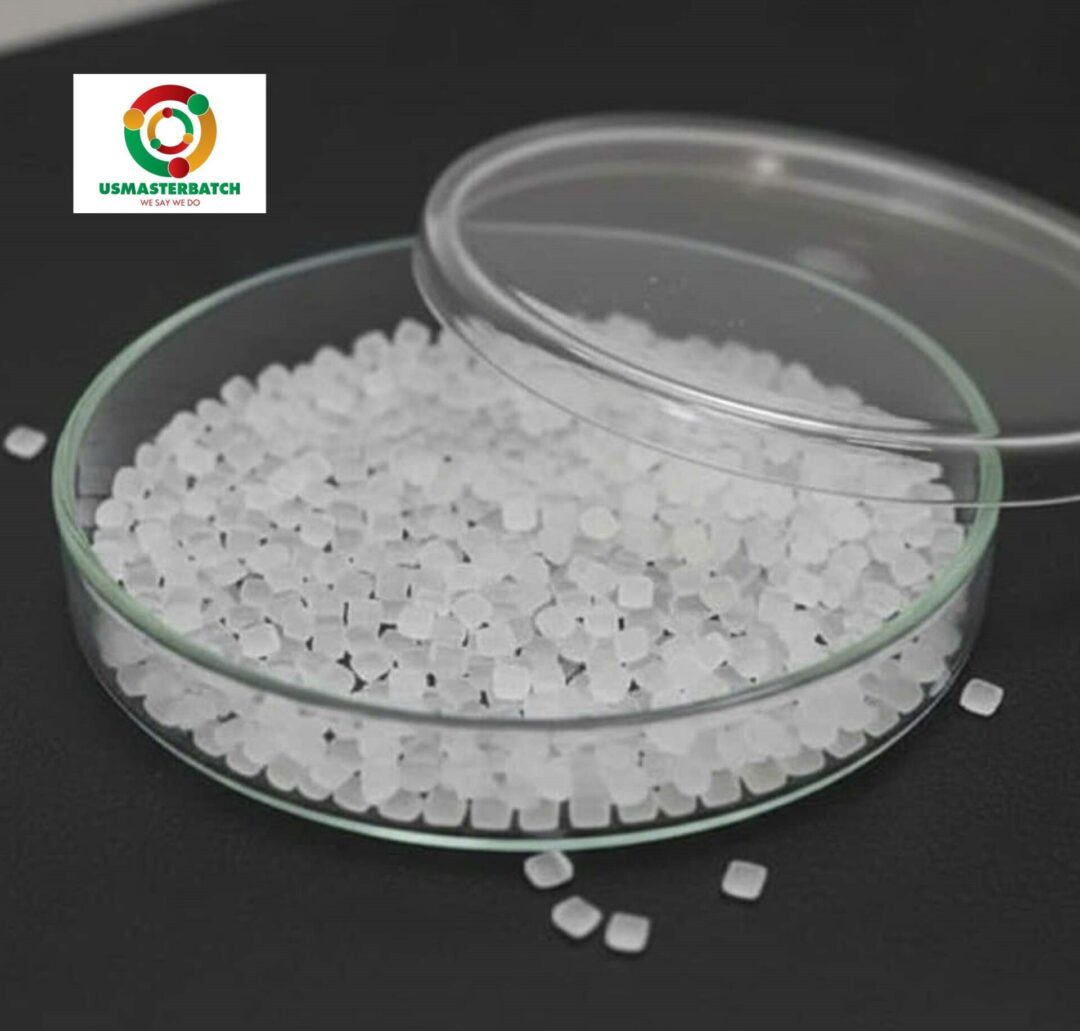
[US Masterbatch] Thermoplastic Elastomer (TPE) represents a unique and versatile class of materials that strategically merges the high-performance characteristics of rubber with the processing efficiency and design freedom of plastics. This hybrid nature has made TPE indispensable in modern manufacturing, serving as a cornerstone for innovation in product design and sustainability across various industries.
At their core, TPE is copolymers or physical blends — typically a plastic and a rubber — composed of two distinct phases:
- Hard Segments: Crystalline segments derived from the plastic component that provide processability and strength.
- Soft Segments: Amorphous segments from the rubber component that impart flexibility and elasticity.
This molecular architecture allows TPE to be melted and reformed like plastic without the need for irreversible chemical curing (vulcanization), a requirement for traditional thermoset rubbers.
2. Key Advantages of Thermoplastic Elastomer vs. Traditional Rubber
TPE offers significant economic and environmental advantages:
- Thermoplastic Processability: TPE softens when heated and solidify upon cooling, allowing use in high-volume equipment like injection molders and extruders.
- Elastomeric Performance: They can be stretched to at least twice their initial length with quick, complete recovery.
- Recyclability: Production scrap, runners, and end-of-life parts can be reground and reprocessed, aligning with circular economy principles.
- Latex-Free: Inherently free from allergens, making them safe for medical and personal care sectors.
3. The Thermoplastic Elastomer Family: Classifications and Uses
The term “TPE” serves as an umbrella for a diverse family of materials:
- TPE-S (Styrenic Block Copolymers): Used in footwear and adhesives.
- TPE-O or TPO (Polyolefins): Common in automotive bumpers and dashboards.
- TPE-V or TPV (Thermoplastic Vulcanisates): High-performance materials containing vulcanized EPDM rubber particles; used for automotive seals and hoses.
- TPE-U or TPU (Polyurethanes): Ideal for power tool grips and drive belts.
- TPE-A (Polyether Block Amides): Used in aerospace and cable jacketing.
4. Production and Processing Methods

The journey of a TPE involves two stages: chemical synthesis and physical processing.
4.1 Chemical Synthesis
- Block Copolymerization: Creates a single polymer backbone with alternating blocks of hard and soft segments.
- Graft Polymerization: Joins polymer chains as branches onto a main backbone for greater customization.
4.2 Physical Processing (Injection Molding & Extrusion)
Injection Molding is the most prominent method for producing solid, complex parts.
- Critical Parameters: Pre-drying is essential to reduce moisture content to 0.08% or less to avoid surface defects. Typical melt temperatures are around 205°C.
- Multi-Material Molding: TPEs are perfect for “soft-touch” features through techniques like Two-Shot Molding, Insert Molding, or Co-Injection Molding.
5. Market Landscape and Strategic Value
The global TPE market was valued at USD 28.31 Billion in 2025 and is projected to exceed USD 48.82 Billion by 2035 (CAGR > 5.6%).
- Automotive Demand: TPEs are vital for lightweighting; a 10% weight reduction can improve fuel economy by 6-8%.
- Regional Dominance: The Asia Pacific region is expected to capture 37% of the market share by 2035.
6. Challenges to Consider
- Moisture Control: As hygroscopic materials, strict drying protocols are required.
- Temperature Limits: Limited high-temperature use compared to thermoset materials due to a defined melting point.
- Raw Material Costs: Prices can be volatile due to reliance on fossil fuel resources.
Conclusion
Thermoplastic Elastomers are essential for modern innovation, combining the processability of plastics with the performance of rubber. Their adaptability and recyclability ensure they remain a cornerstone for engineers designing the sustainable, high-performance products of the future.