
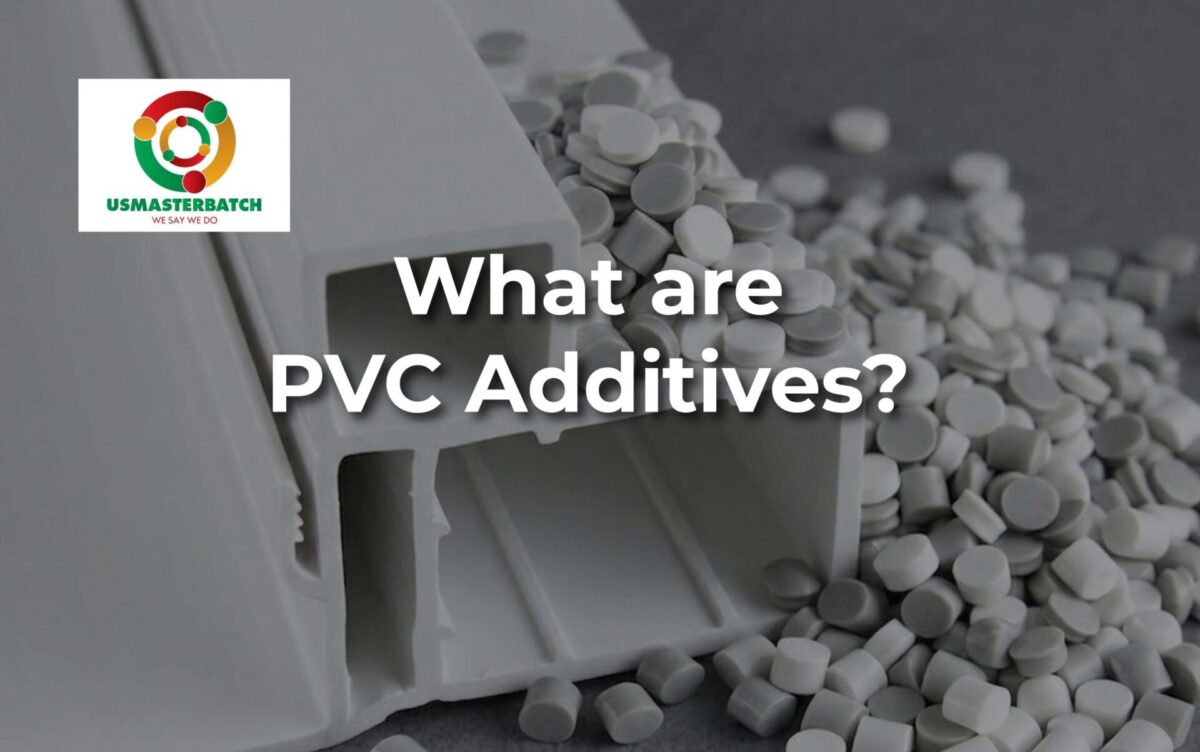
What are PVC Additives?
PVC additives play a critical role in transforming Polyvinyl Chloride (PVC) into a usable and high performance material. While PVC is a uniquely versatile polymer, in its raw, resinous state it is virtually unusable. Raw PVC is thermally unstable, brittle, and sensitive to UV radiation. To convert this “white powder” into industrial products, ranging from…
Read More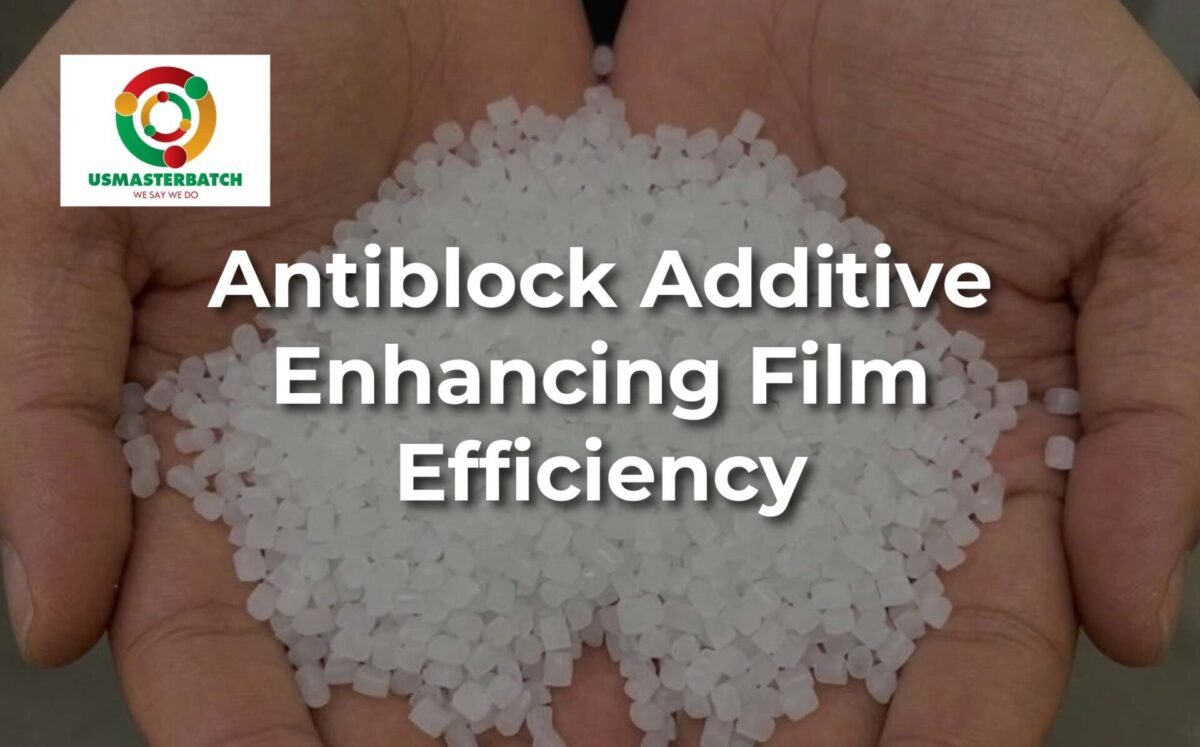
Antiblock Additive – Enhancing Film Efficiency
In the high-stakes world of plastic film production, small technical hurdles can lead to significant operational bottlenecks. One of the most common yet frustrating challenges is “blocking” — the tendency of plastic film layers to adhere to one another, making them nearly impossible to separate. Whether it is a consumer struggling to open a grocery…
Read More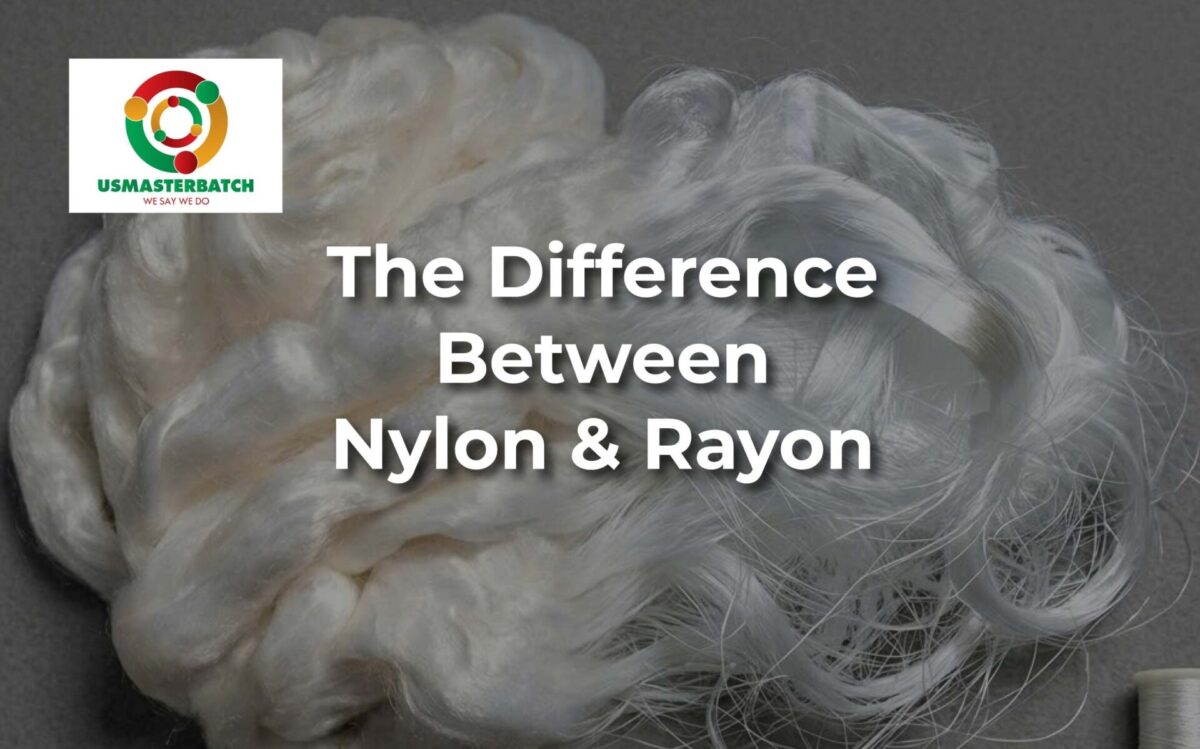
The Difference Between Nylon and Rayon
[US Masterbatch] In the modern textile and polymer materials industry, Nylon and Rayon are two widely used fibers thanks to their versatility and ability to meet various manufacturing needs. However, although both are commonly used in products such as clothing, industrial fabrics, ropes, carpets, and technical materials, Nylon and Rayon are fundamentally different in their…
Read More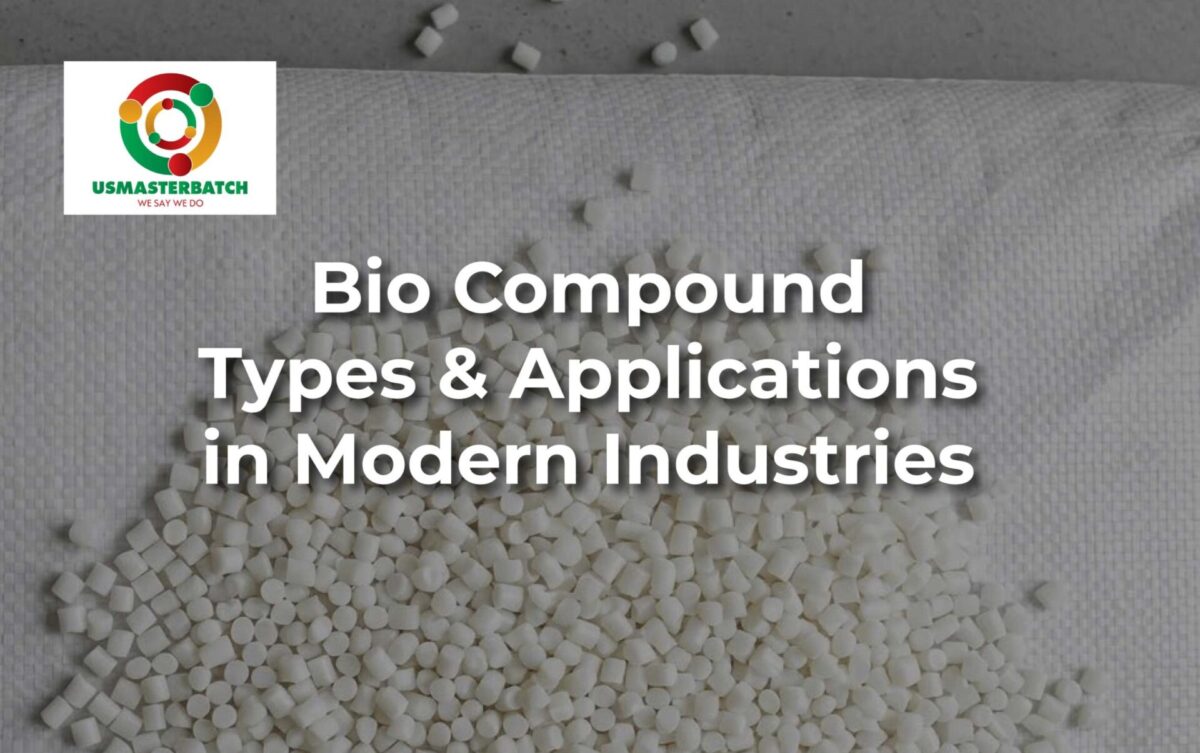
Bio Compound Types and Applications in Modern Industries
As sustainability becomes a major focus across global industries, bio-based materials are increasingly gaining attention as an alternative to traditional plastics. Among these materials, bio compound plays an important role in helping manufacturers reduce environmental impact while still maintaining the functional performance required for industrial applications. Bio compounds are typically developed by combining biodegradable polymers,…
Read More
Top Global TPE Suppliers
[US Masterbatch] The global TPE suppliers market has experienced steady growth over the past decade, driven by increasing demand from automotive, medical, and consumer goods industries. Asia–Pacific also leads in TPE consumption, driven by automotive manufacturing and industrial production in China and India. North America follows, with strong demand from medical devices and advanced consumer…
Read More
Antioxidant Plastic Additives – The Silent Guardian
In the world of high-performance polymers, what you can’t see often matters most. While color and texture grab the immediate attention of consumers, the internal integrity of a plastic product determines its true value. Polymers, despite their versatility, are susceptible to a “silent enemy”: oxidative degradation. Without the right protection, heat, light, and oxygen can…
Read More


