
In today’s world, sustainability is no longer just a trend — it’s a global commitment. The plastics industry, once seen as part of the problem, is now taking major steps toward becoming part of the solution. One of the most effective ways to make plastic production more sustainable is through the use of plastic additives — especially filler masterbatch.
At US Masterbatch, we believe that smart material engineering can significantly reduce environmental impact while maintaining the performance and profitability that manufacturers need. Here’s how plastic additives are helping drive a new era of sustainable manufacturing.
1. Reducing Raw Material Consumption
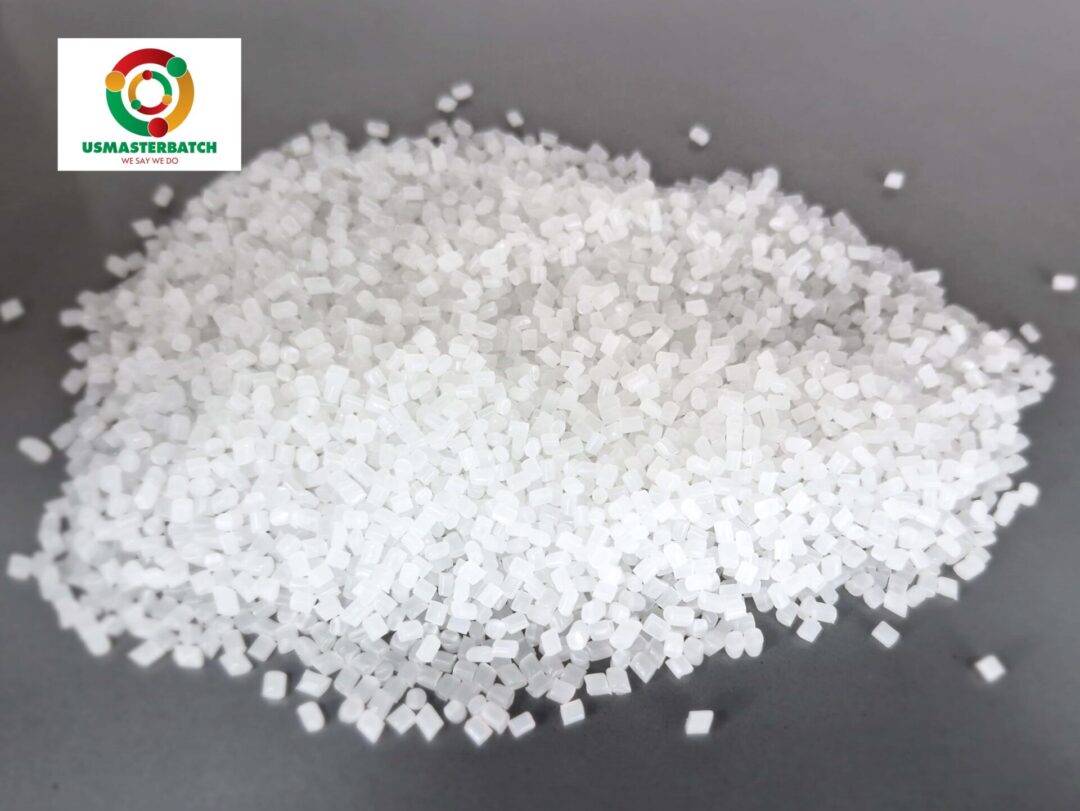
Filler masterbatch – one type of plastic additive – is designed to replace part of the base polymer (such as PE, PP, or PS) with high-quality mineral fillers like calcium carbonate (CaCO₃). This substitution reduces the amount of virgin resin required for each kilogram of finished product — cutting down on both raw material costs and carbon emissions.
By using filler masterbatch, manufacturers can reduce polymer usage by up to 30% without compromising mechanical strength or surface quality. This means less dependence on fossil fuel–based resins and a smaller overall environmental footprint.
2. Lowering Production Costs and Energy Use
Beyond material savings, filler masterbatch also helps improve production efficiency. Its excellent dispersion properties enhance processing performance — allowing for faster extrusion, better film blowing, and smoother injection molding.
These improvements translate directly into energy savings. When processing runs more smoothly at lower temperatures and shorter cycles, machines consume less power. As a result, manufacturers not only lower their costs but also reduce the CO₂ emissions associated with production.
3. Enhancing Recyclability and Product Life
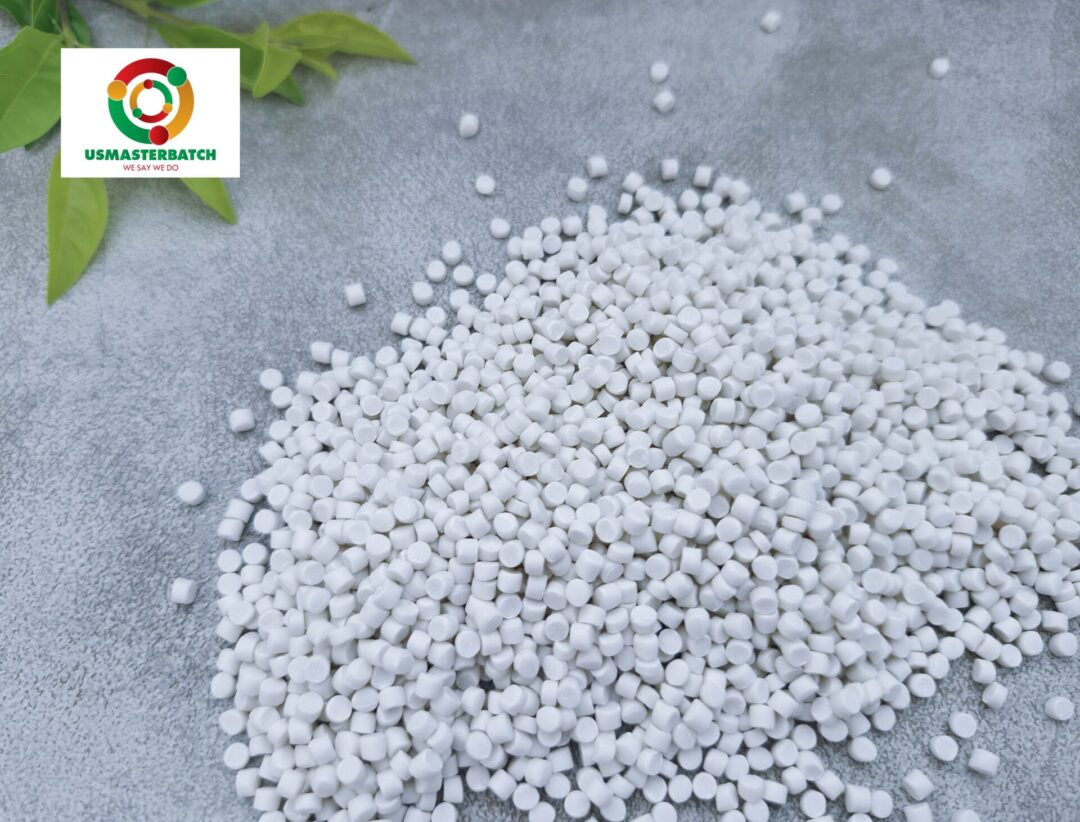
Many of today’s high-performance plastic additives are engineered with recyclability in mind. Filler masterbatch improves dimensional stability, heat resistance, and UV protection — all of which help extend product life.
Longer-lasting products mean less frequent replacement, fewer discarded items, and reduced waste in landfills. Moreover, modern additive technologies can make recycled plastics easier to process and more consistent in quality, supporting a circular economy approach.
4. Improving Mechanical Properties
In addition to environmental benefits, plastic additives provide essential functional improvements. Depending on the formulation, filler masterbatch can enhance stiffness, impact resistance, and printability — key factors in packaging, household goods, and industrial applications.
By optimizing these properties, manufacturers can lightweight their products while keeping the same performance. This is a win-win situation: less material used, lower transportation costs, and a smaller carbon footprint.
5. Supporting Eco-Friendly Innovation
Sustainability doesn’t mean compromising on creativity. Additives open the door to innovative materials that meet the demands of modern consumers — products that are both functional and environmentally responsible.
At US Masterbatch, we continuously develop eco-friendly solutions such as biodegradable additives, bio-based carrier resins, and advanced dispersion technologies. These innovations empower manufacturers to produce plastics that are smarter, greener, and more efficient.
6. Contributing to Global Sustainability Goals
By adopting plastic additives in manufacturing, companies contribute directly to international sustainability initiatives like the UN Sustainable Development Goals (SDGs). Reducing resource consumption, minimizing waste, and improving energy efficiency all align with these global targets.
Sustainability is not just about reputation — it’s about responsibility. Choosing the right additive partner helps transform environmental commitment into measurable results.
Kết luận
Plastic additives, particularly filler masterbatch, are more than just a cost-saving material. They are a strategic solution for the future of sustainable manufacturing — helping the plastics industry move toward a cleaner, more efficient, and more responsible model of growth.
Tại US Masterbatch, we take pride in being a trusted partner for plastic manufacturers worldwide. Our mission is to deliver high-quality, eco-conscious masterbatch products that help customers stay competitive while protecting the planet.
Together, we can make plastics more sustainable — one masterbatch at a time.