
In modern plastic manufacturing, reducing production costs without compromising quality has become one of the top priorities for manufacturers. Filler masterbatch emerges as a strategic material designed to help producers achieve the optimal balance between performance and cost. As market competition intensifies, the smart application of filler masterbatch is not just a cost-saving solution but also a forward-thinking approach to enhancing product competitiveness.
Let’s learn about Filler Masterbatch in detail in the article below with US Masterbatch.
1. What is Filler Masterbatch?
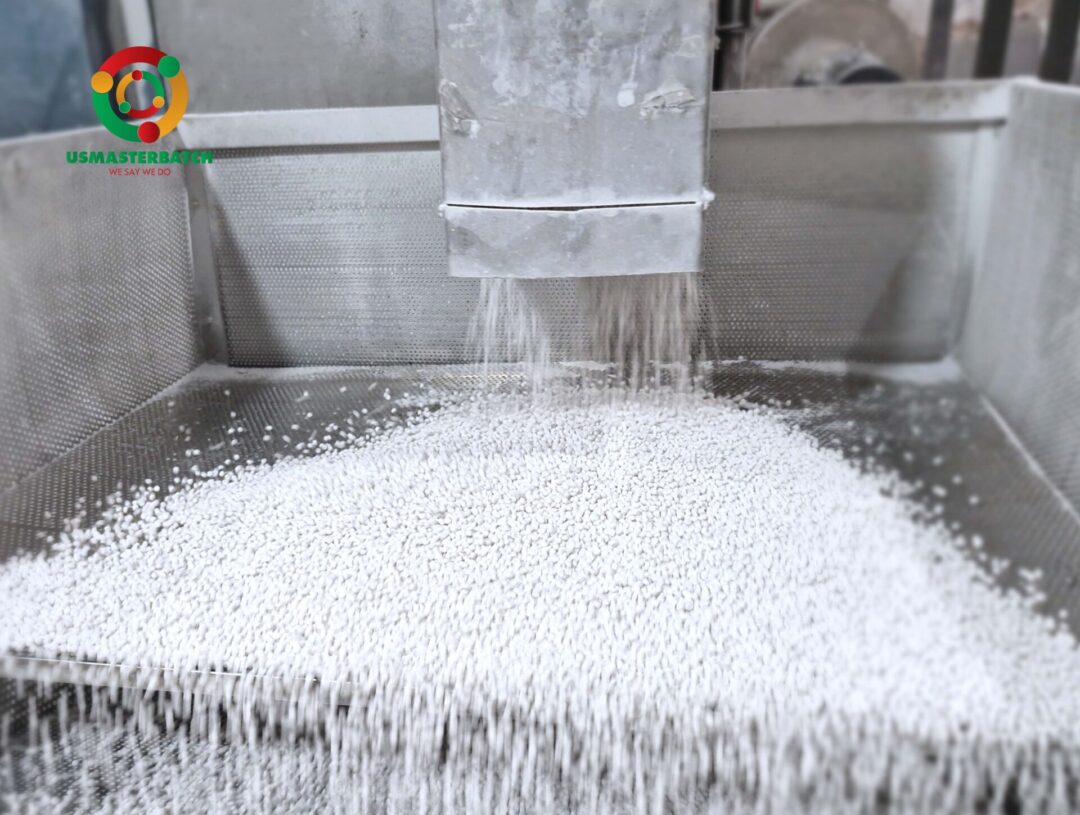
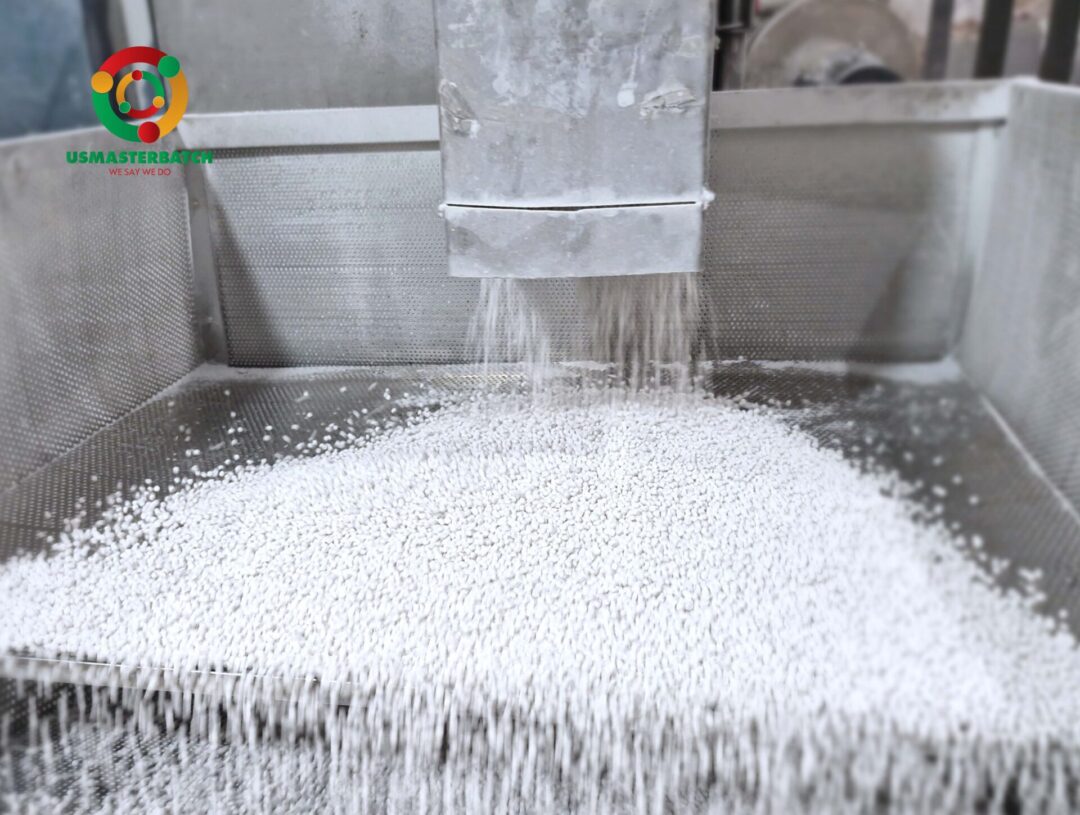
Filler Masterbatch is a combination of inorganic minerals (such as CaCO₃, Na₂SO₄, BaSO₄, Talc, …), polymer carrier resin, and other special additives. In plastic production, filler masterbatch is used to reduce raw material costs while improving certain mechanical and physical properties of the final product.
2. Applications of Filler Masterbatch
2.1 Injection Moulding
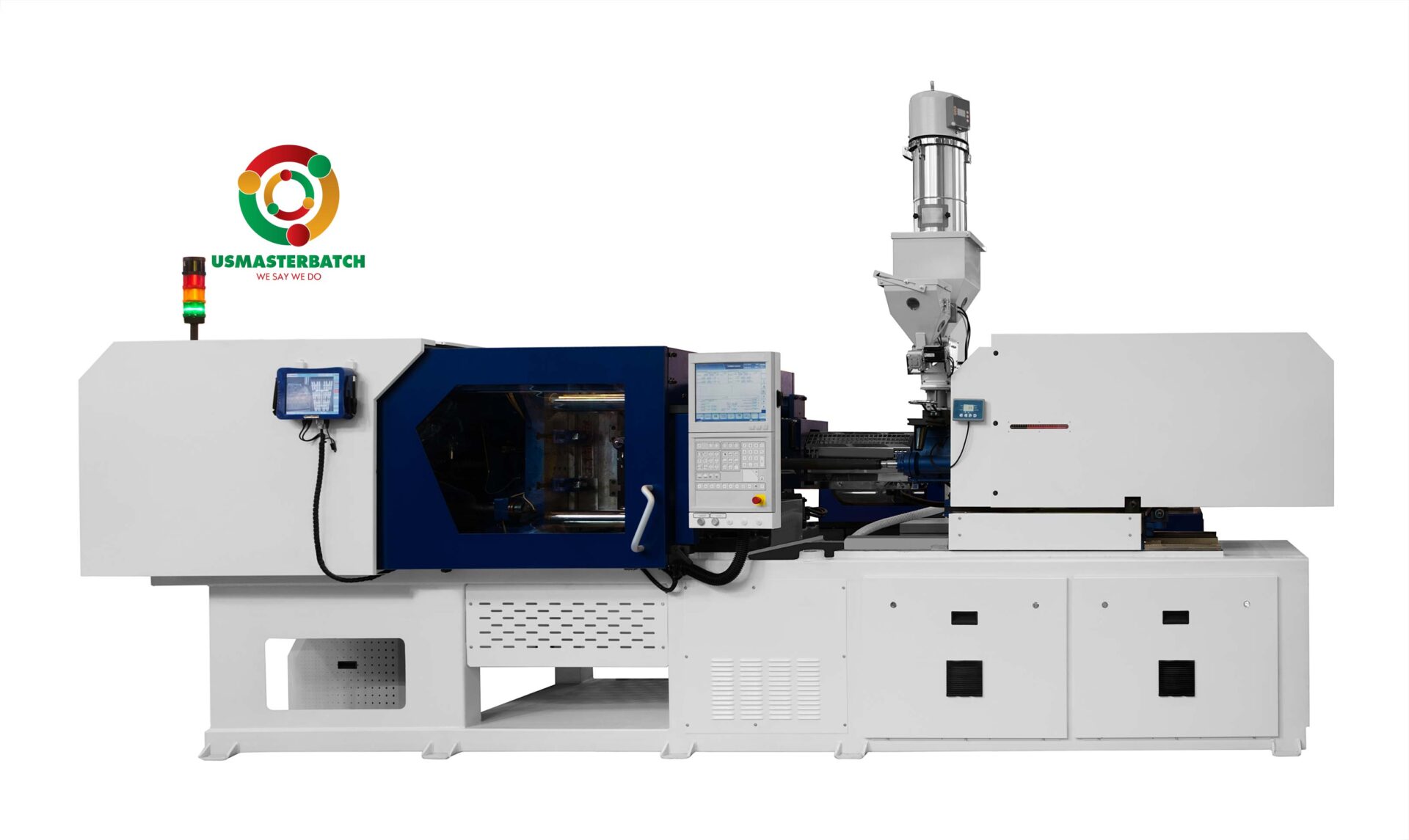
Injection moulding is a common manufacturing process in the plastics industry, used to produce parts and products in large quantities. The process involves melting the plastic material and injecting it into a closed mould under high pressure. Once solidified, the material takes the shape of the mould and is ejected as a finished product. This method allows for the production of complex, high-precision components, making it suitable for industries such as electronics and automotive,..
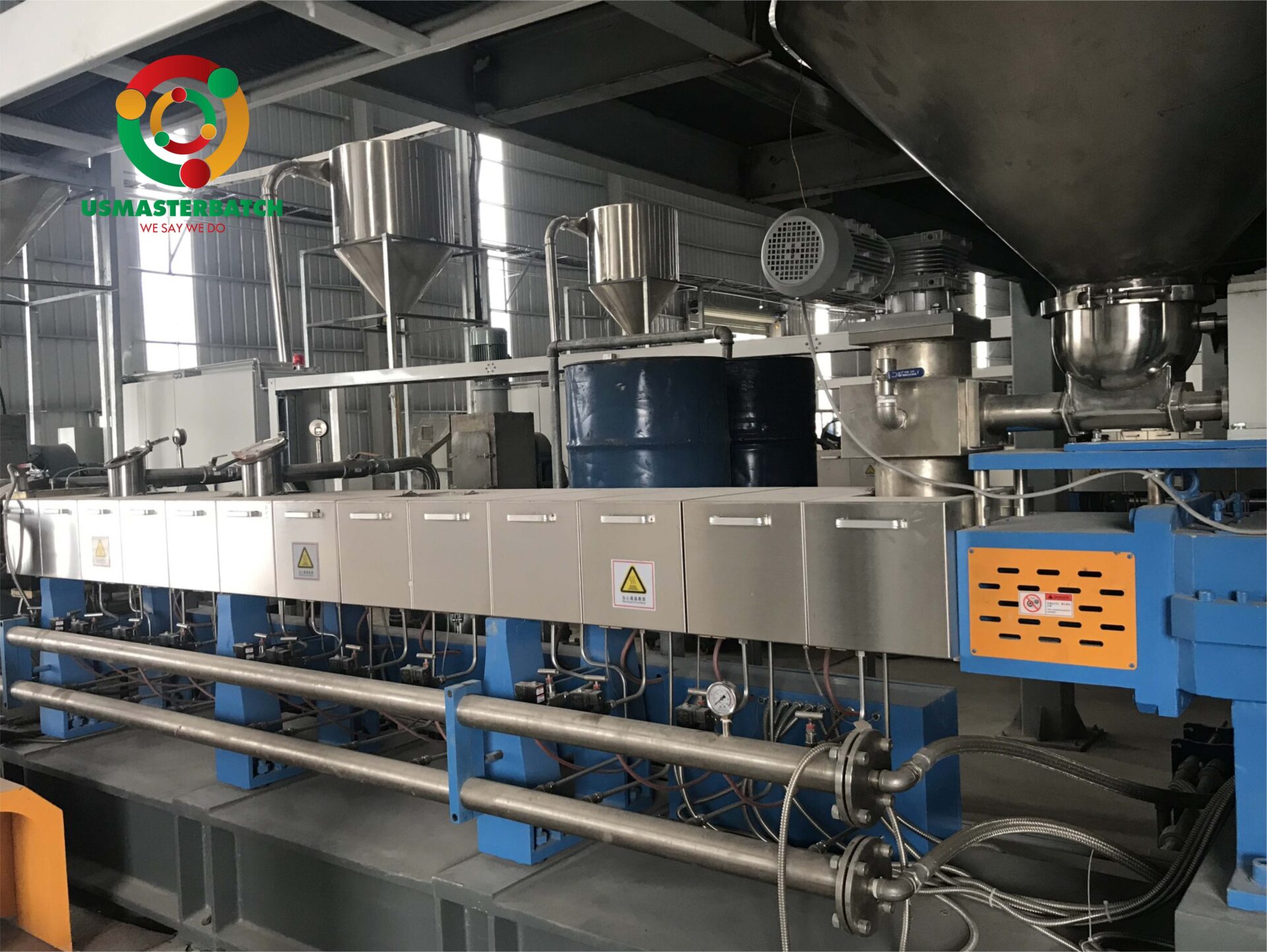
2.2 Extrusion
Extrusion is a continuous manufacturing process in which molten plastic is pushed through a shaping die to produce products with a uniform cross-section, such as pipes, sheets,…. It is one of the most common forming technologies in the plastics industry, offering high efficiency and stable product quality.
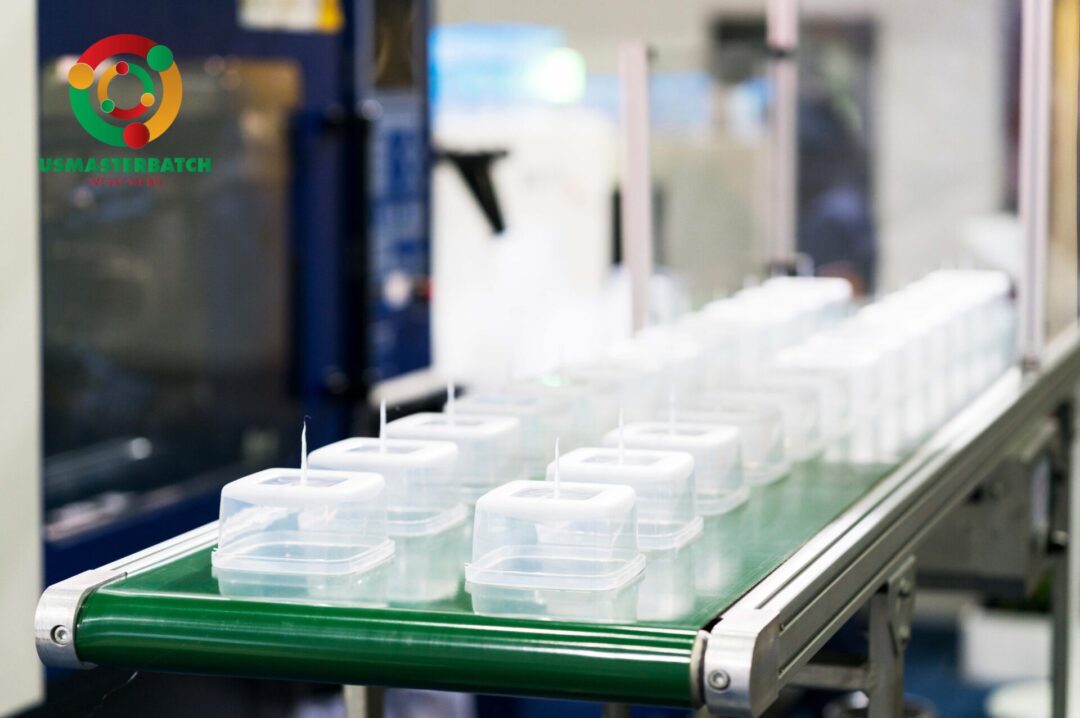
2.3 Thermoforming
Thermoforming is a plastic processing method in which a plastic sheet is heated until it becomes pliable, then formed over a mold using vacuum or pressure to achieve the desired shape. After cooling, the formed part is trimmed and finished. This process is widely used for producing food packaging, trays, plastic cups, and other thin-walled products.
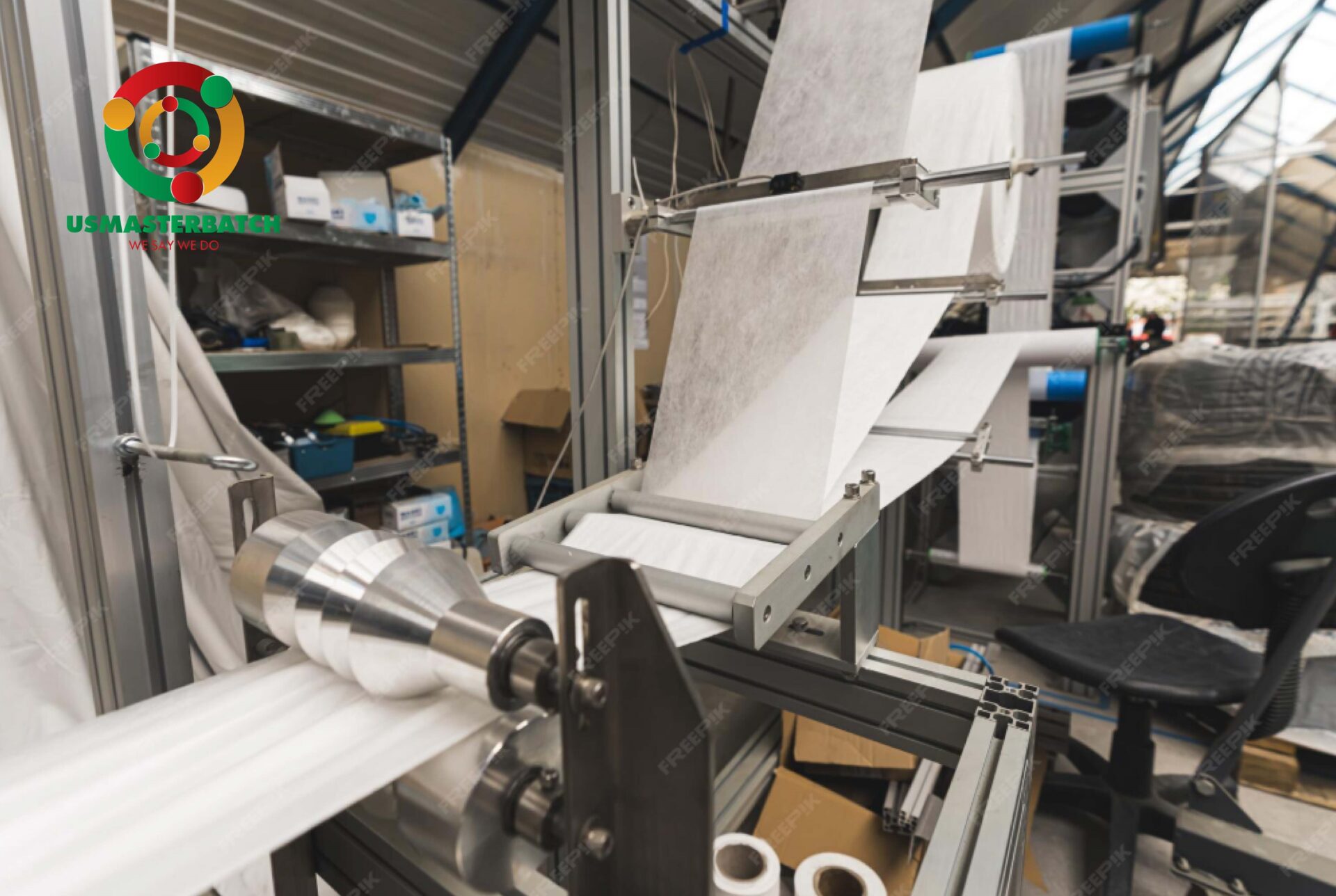
2.4 Non-Woven Fabric
Non-woven fabrics are materials made from short fibers or continuous filaments that are bonded together through mechanical, chemical, or thermal methods, without the need for traditional weaving or knitting. Due to their lightweight, breathable, durable, and cost-effective properties, non-woven fabrics are widely used in various fields such as healthcare (face masks, surgical gowns), agriculture (crop covers), and daily consumer products (reusable bags, filter materials, wet wipes, etc.).
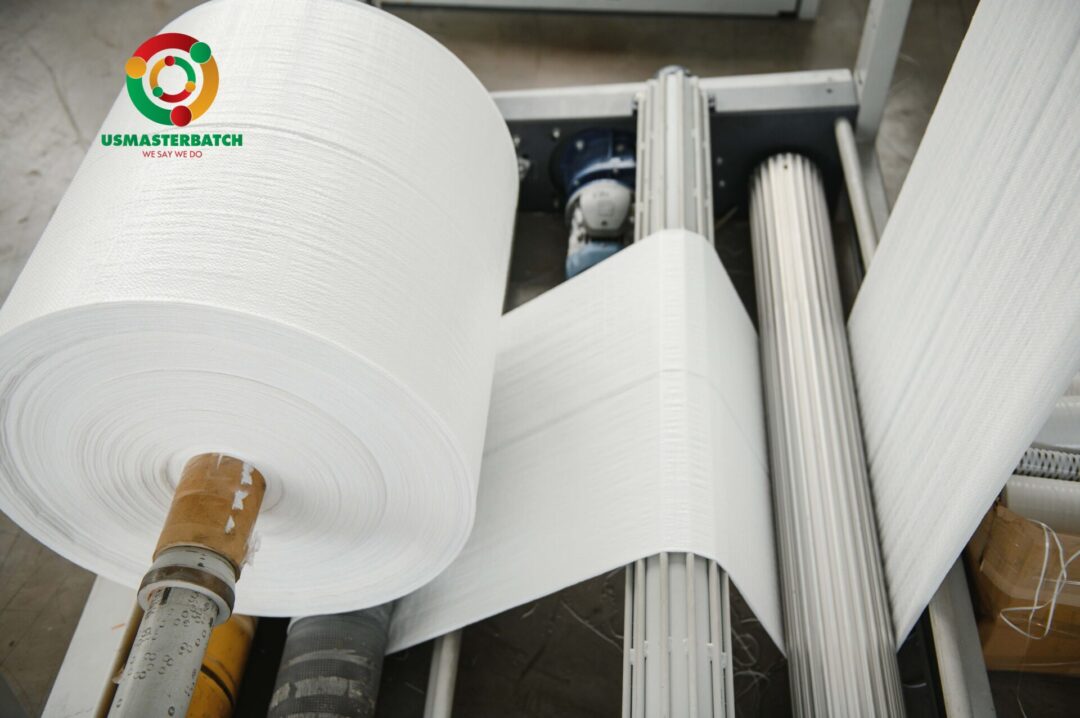
2.5 PP Raffia
PP Raffia, also known as polypropylene woven fabric, is produced by extruding polypropylene (PP) resin into flat raffia tapes, which are then woven on circular or flat looms to form a strong yet lightweight fabric. With its excellent mechanical strength, high tensile resistance, and durability under various environmental conditions, PP Raffia is widely used in woven sacks, industrial packaging, agricultural bags, etc.
2.6 HDPE Tarpaulin
HDPE Tarpaulin is a fabric made from woven high-density polyethylene (HDPE) tapes, coated with PE or PVC to enhance its waterproof and durability properties. It is lightweight, strong, tear-resistant, UV-resistant, and weatherproof. HDPE tarpaulins are widely used in agriculture, construction, transportation, and industry — for truck covers, pond liners, shade structures, and construction site protection.

2.7 Film Blowing
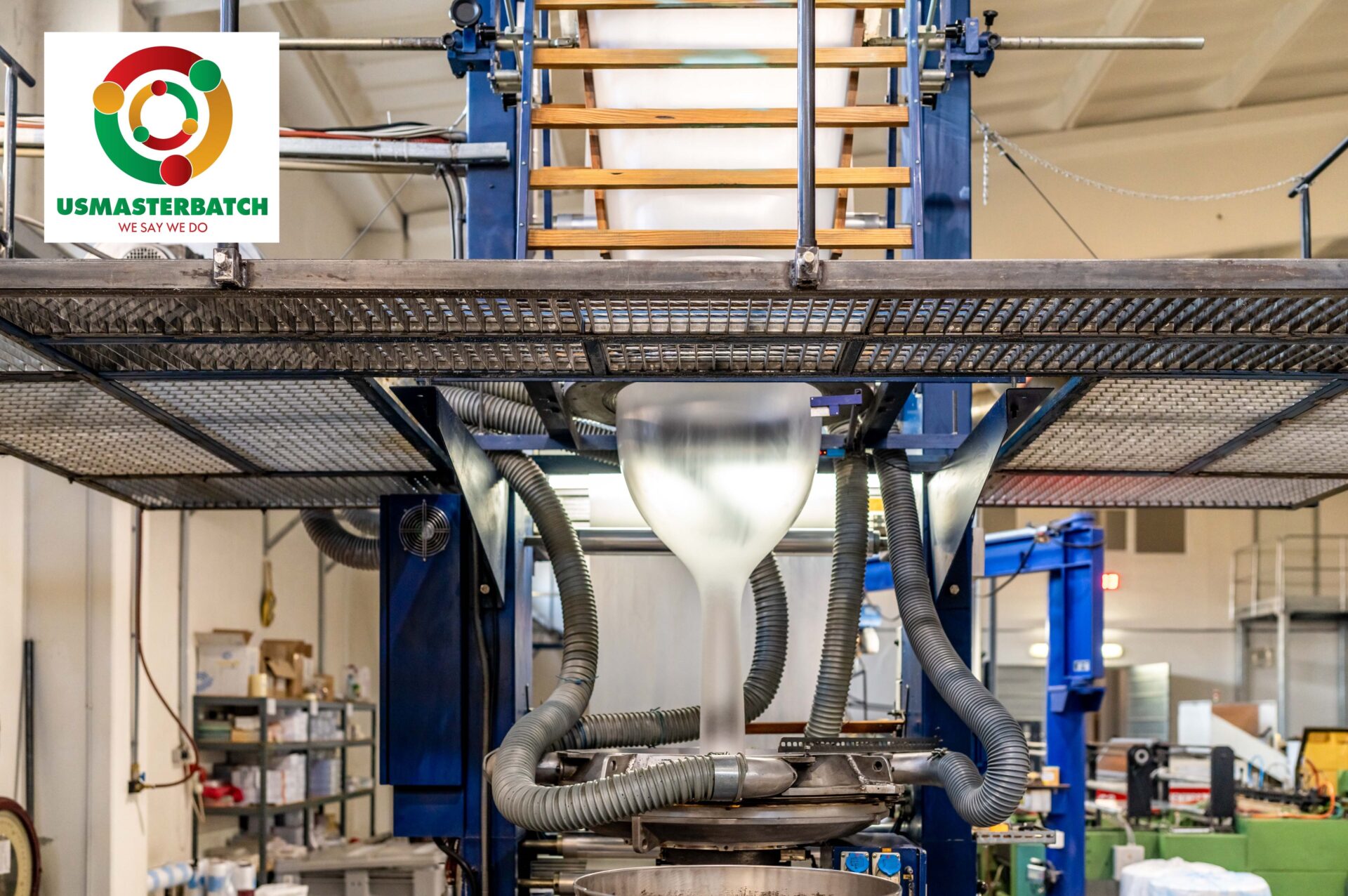
Film blowing is a process in which molten material is extruded through a circular die and inflated to form a thin tubular film, which is then cooled and flattened. This technique is widely used for producing flexible packaging materials such as plastic bags, food wrap, agricultural films, and industrial packaging due to its excellent mechanical strength and flexibility.
2.8 Blow Moulding
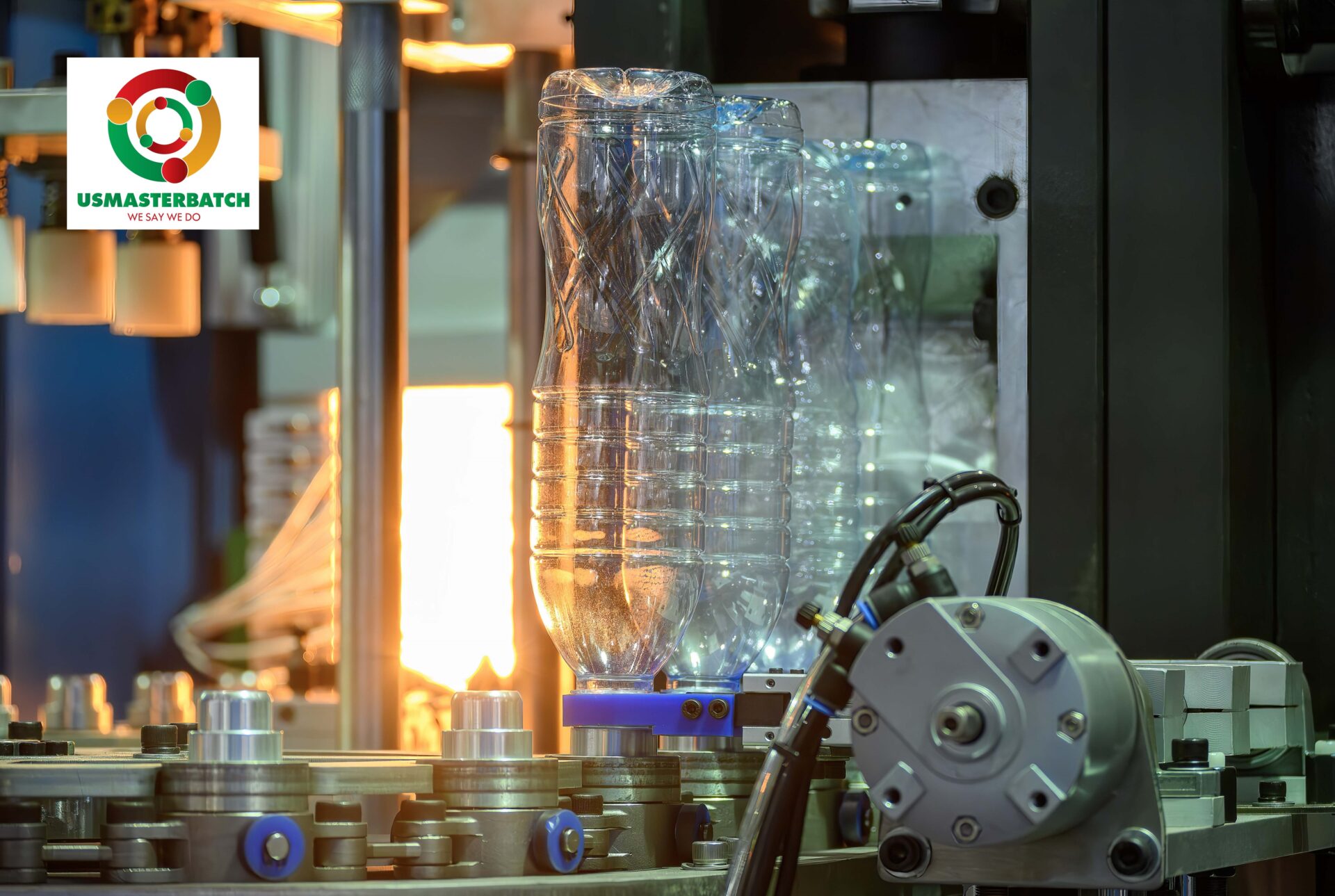
Blow moulding is a plastic forming process in which molten plastic is heated and then air is blown into a hollow mould to create products with a hollow interior, such as bottles, jars, cans, or plastic containers. This method is widely used in the packaging, chemical, pharmaceutical, and food industries.
=> Key advantages of filler masterbatch in the above applications:
- Cost Reduction: With calcium carbonate (CaCO₃) as its main component, filler masterbatch helps plastic manufacturers lower material costs, ensure stable raw material supply, and enhance product competitiveness.
- Enhanced Mechanical Properties: The addition of filler masterbatch increases product rigidity, reduces shrinkage during molding, and ensures better dimensional stability and durability.
- Versatile Applications: Due to its stable chemical properties and suitable hardness, filler masterbatch can be easily blended with various carrier resins (such as PP, PE, and PS) to improve product functionality and value.
- Improved Forming Stability: In processes like film blowing and fiber extrusion, filler masterbatch promotes even heat distribution, minimizes bubbles and surface defects, and enhances product quality and appearance.