Chemical Resistant PVC Pipe – Composition and Applications
[US Masterbatch] Chemical resistant PVC pipe plays a vital role in today’s industrial sector, where durability and reliability are critical factors. Known for its excellent resistance to corrosive substances, affordability, and ease of installation, PVC piping has become a preferred choice across multiple industries. This article explores the composition of chemical resistant PVC pipes and their key applications, helping you understand why they are an essential component in modern infrastructure.
1. What is Chemical Resistant PVC Pipe?
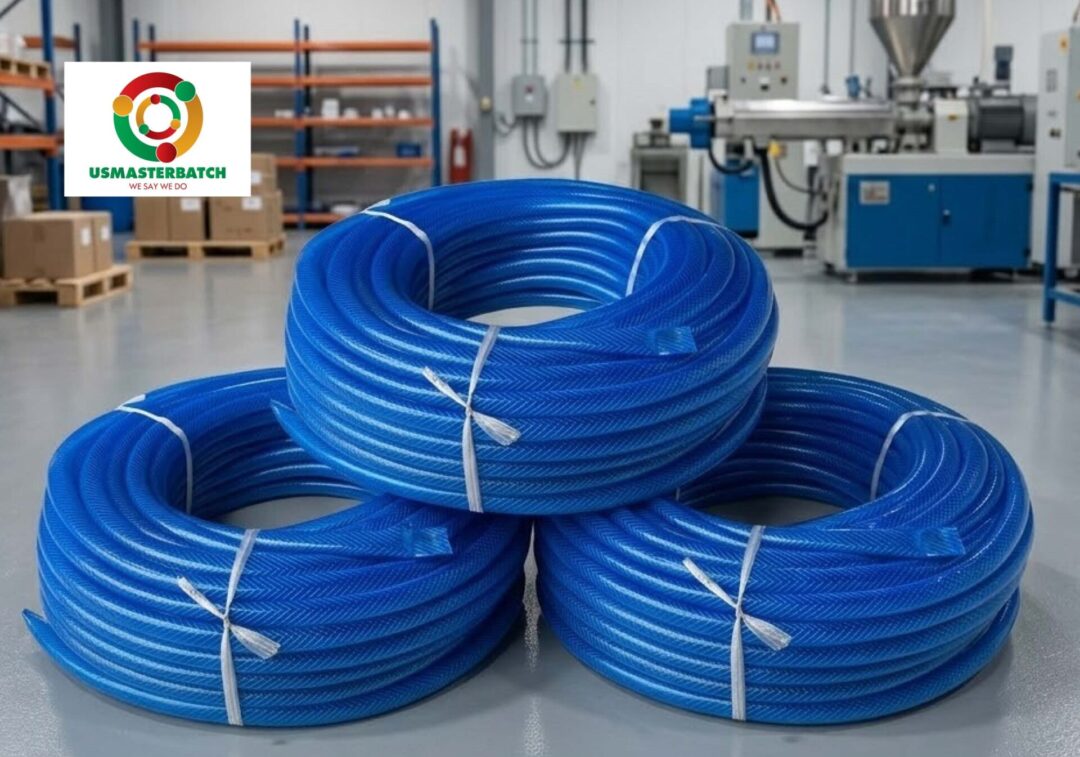
(Illustrative purpose only)
Chemical resistant PVC (Polyvinyl Chloride) pipe is a specially engineered thermoplastic piping system designed to withstand exposure to a wide range of chemicals, including acids, alkalis, salts, and organic solvents. Unlike traditional metal pipes, which are prone to corrosion and degradation, PVC pipes maintain their integrity even in harsh chemical environments.
2. Composition of Chemical Resistant PVC Pipe
The performance of PVC pipes largely depends on their composition. Chemical resistant PVC pipes are formulated using a combination of base materials and additives that enhance their durability and functionality.
2.1 Polyvinyl Chloride Resin
The primary component of PVC pipes is polyvinyl chloride resin. This thermoplastic polymer provides the fundamental structure of the pipe. PVC resin is inherently resistant to many chemicals, making it an ideal base material for industrial piping systems.
2.2 Stabilizers
Stabilizers are added to improve the thermal stability of PVC during processing and usage. These additives prevent degradation when the material is exposed to heat and UV light. Common stabilizers include calcium-zinc and organotin compounds, which also contribute to the pipe’s long-term durability.
2.3 Plasticizers (Optional)
This ensures higher strength and better resistance to chemical attack.
2.4 Fillers
Manufacturers incorporate fillers such as calcium carbonate to enhance mechanical strength and reduce production costs. High-quality fillers also improve the pipe’s dimensional stability and resistance to deformation.
2.5 Lubricants and Processing Aids
These additives help improve the manufacturing process by reducing friction and ensuring smooth extrusion. They also contribute to a uniform surface finish and consistent pipe quality.
2.6 Impact Modifiers
Impact modifiers are added to improve toughness, especially in low-temperature environments. This ensures that the pipe remains resistant to cracking or breaking under stress.
3. Key Properties of Chemical Resistant PVC Pipe
The unique composition of PVC pipes results in several outstanding properties:
- Excellent chemical resistance to acids, alkalis, and salts
- Corrosion-free performance compared to metal pipes
- Lightweight for easy transportation and installation
- Smooth internal surface to reduce friction and scaling
- Long service life with minimal maintenance
- Cost-effective compared to alternative materials
4. Applications of Chemical Resistant PVC Pipe
Thanks to its superior properties, chemical resistant PVC pipe is widely used across various industries. Below are some of the most common applications:
4.1. Chemical Processing Industry
PVC pipes are extensively used in chemical plants for transporting acids, alkalis, and other aggressive substances. Their resistance to corrosion ensures safe and efficient operation, reducing the risk of leaks and contamination.
4.2. Water Treatment Systems
In water and wastewater treatment facilities, PVC pipes are used to handle chemicals such as chlorine and coagulants. Their non-reactive nature ensures that water quality is not compromised during treatment processes.
4.3. Agriculture and Irrigation
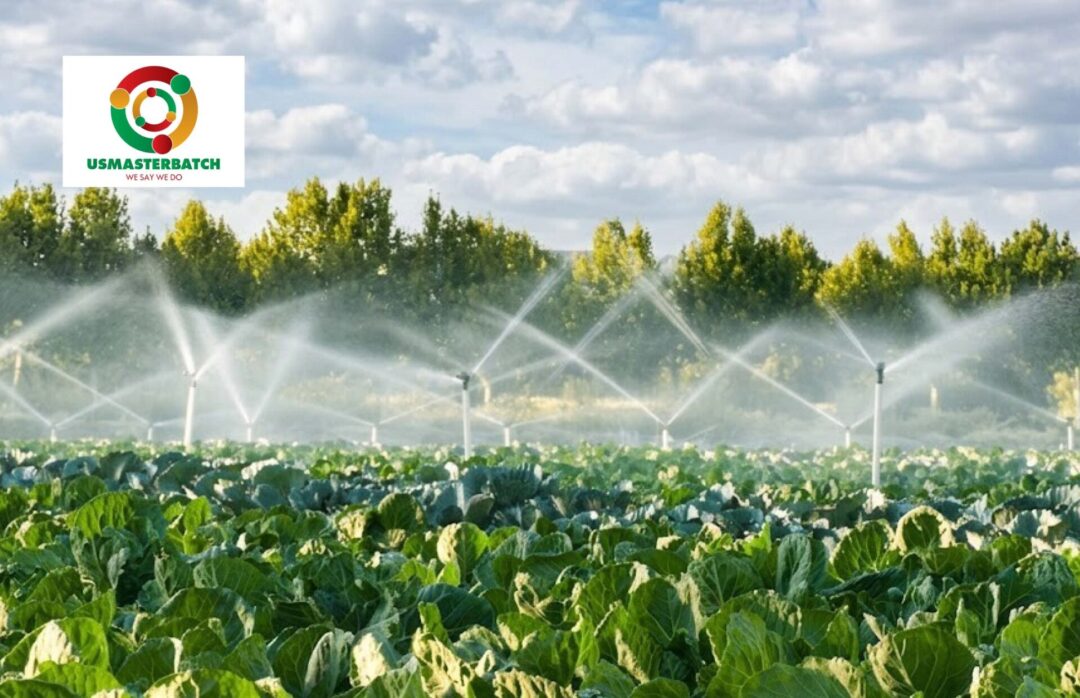
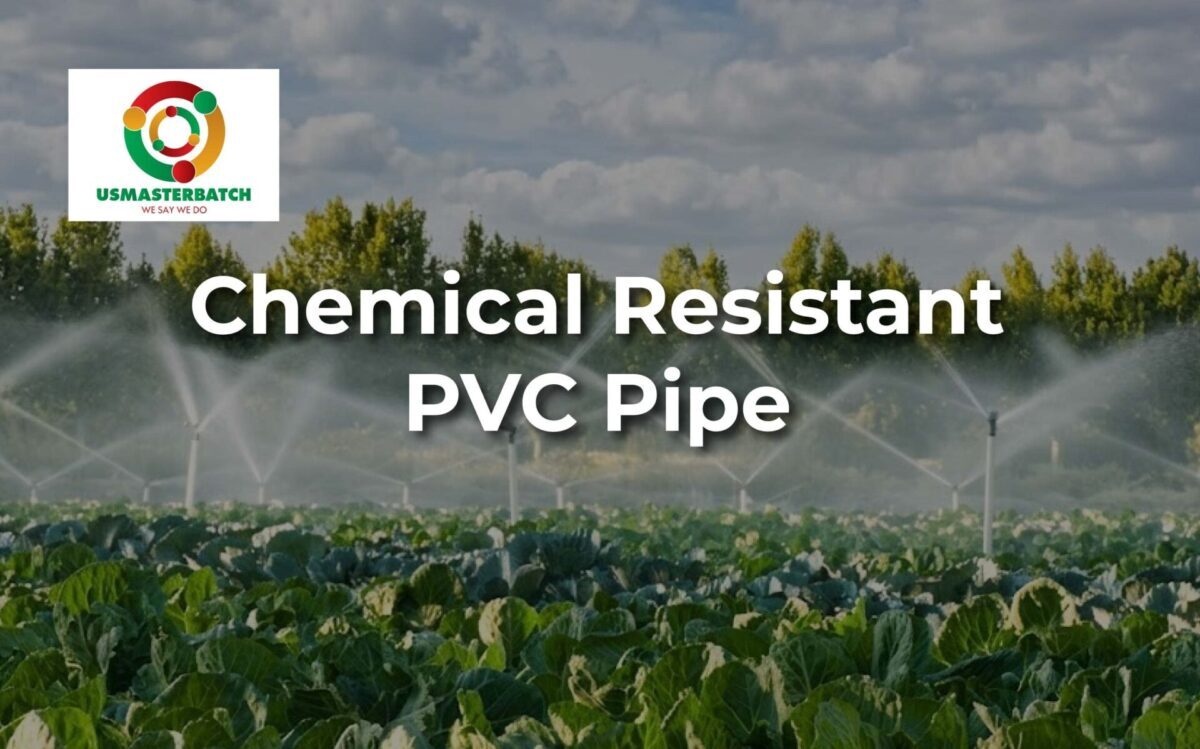
(Illustrative purpose only)
Chemical resistant PVC pipes are commonly used in irrigation systems where fertilizers and pesticides are transported. Their durability ensures long-term performance even when exposed to harsh agricultural chemicals.
4.4. Pharmaceutical and Food Processing
In industries where hygiene and chemical compatibility are critical, PVC piping systems are used to transport fluids safely. They are easy to clean and maintain, making them suitable for controlled environments.
4.5. Mining and Metallurgy
Mining operations often involve the use of corrosive chemicals. PVC pipes provide a reliable solution for transporting these substances without the risk of material degradation.
4.6. Industrial Drainage Systems
PVC pipes are ideal for industrial drainage systems where wastewater may contain harmful chemicals. Their resistance to corrosion ensures a longer lifespan compared to traditional materials.
When compared to steel, copper, or concrete, chemical resistant PVC pipes offer:
- Lower installation costs (no welding required)
- Reduced maintenance expenses
- Better resistance to a wide range of chemicals
- Improved energy efficiency due to smooth flow
5. Conclusion
Chemical resistant PVC pipes are a vital component in modern industrial systems. Their carefully engineered composition ensures exceptional performance in harsh environments. With diverse applications across industries such as chemical processing, agriculture, and water treatment, they offer a durable, cost-effective, and reliable piping solution.
Choosing the right PVC pipe not only enhances system performance but also contributes to long-term economic and environmental benefits.